1
1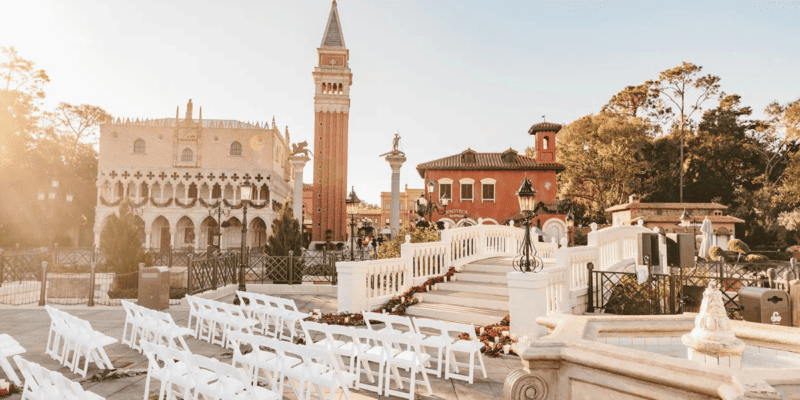
 Credit: Disney Weddings
Behind the whimsical facades of the Italy Pavilion in EPCOT and the industrial-chic aesthetics of Disney Springs, a storm has been brewing that has nothing to do with Florida’s afternoon humidity. On May 7, 2026, a significant segment of the Walt Disney World workforce stepped out of the kitchen and into the spotlight, casting a historic vote that could reshape the future of dining in the “Most Magical Place on Earth.”
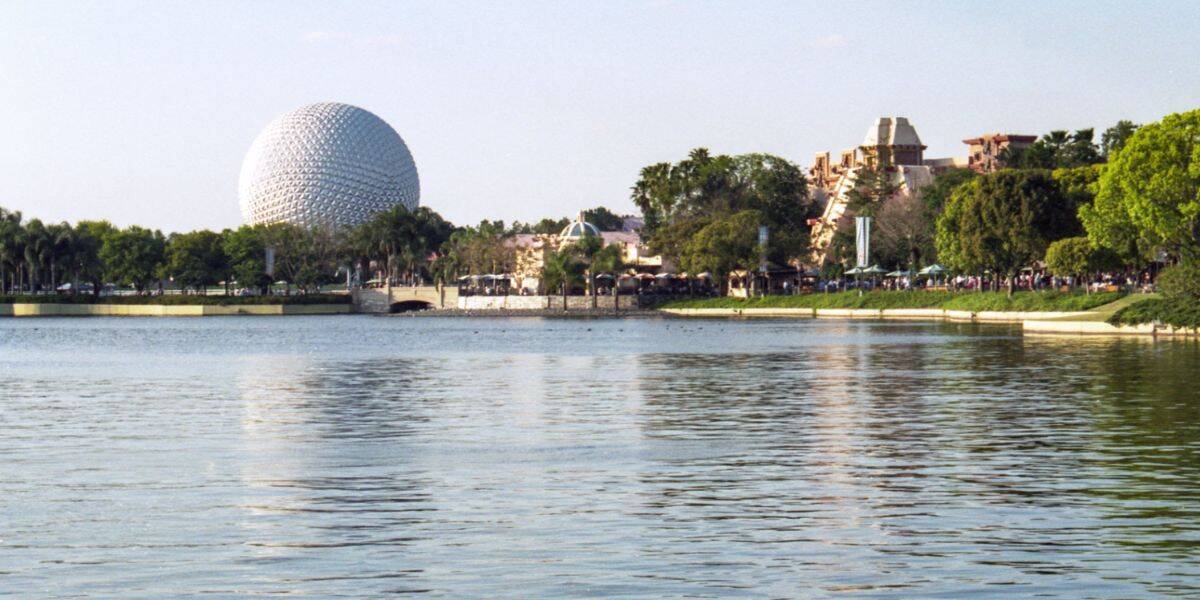
The movement, led by UNITE HERE Local 737, isn’t just about a new contract; it’s a direct plea to The Walt Disney Company to halt any further expansion plans with the Patina Restaurant Group.
As Disney prepares for its massive “Beyond Big Thunder” expansion and various reimagined lands, the workers who keep the current restaurants running are sending a clear message: the “Disney Bubble” is bursting for those who serve the magic but can’t afford to live in it.
The May 7th Vote: A Line in the Sand
The vote held on Thursday was the culmination of months of rising tensions. The Patina Restaurant Group, a subsidiary of Delaware North, is one of the largest third-party operators on Disney property. They manage high-profile locations including Space 220, Via Napoli, Tutto Italia, The Edison, Maria & Enzo’s, and Enzo’s Hideaway.

While these restaurants are among the most popular and lucrative in the resort, the employees who staff them argue they are treated as “second-class citizens” compared to Disney-owned-and-operated (O&O) dining locations.
The May 7 vote was designed to show a unified front, demanding not only higher wages and better benefits but a commitment from Disney to stop outsourcing its future growth to third-party entities that the union claims undercut labor standards.
The “Two-Tier” Problem in the Parks
The core of the dispute lies in the disparity between “Disney Direct” employees and third-party contractors.
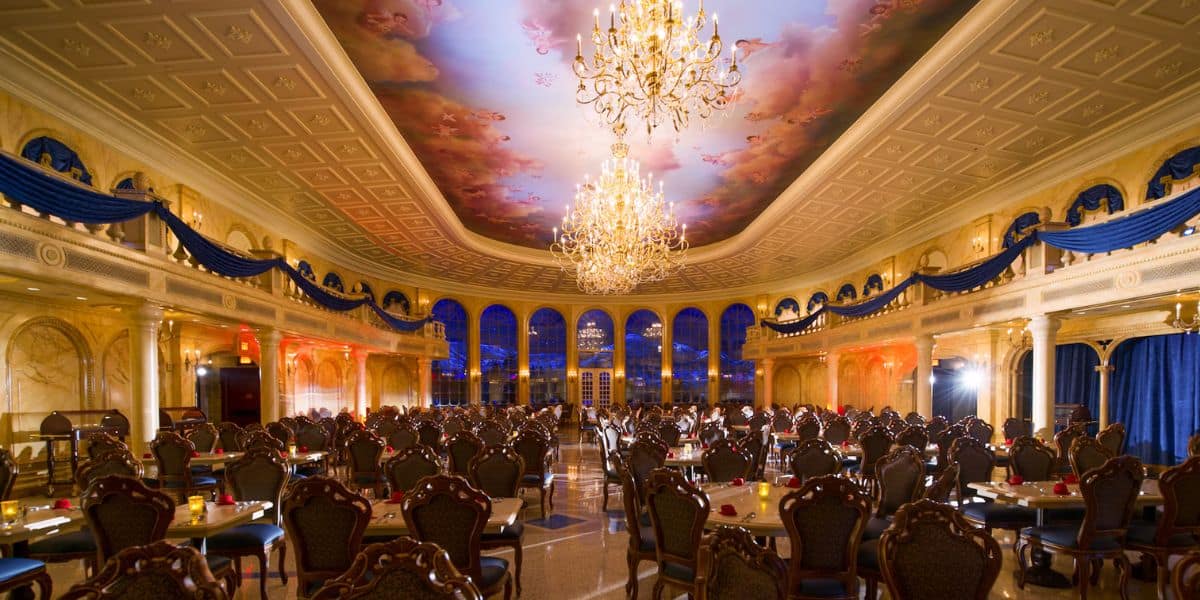
If you work as a server or a cook at a Disney-owned restaurant like Be Our Guest or Le Cellier, you are a Disney cast member. This comes with a specific set of union-protected wages (currently trending toward $20/hour for non-tipped roles), comprehensive health insurance, and the “Disney Aspire” tuition program.
However, if you work at Via Napoli—mere steps away from Disney-owned locations—you are an employee of the Patina Group. Workers allege that Patina’s starting wages frequently lag behind Disney’s, and that their healthcare plans are significantly more expensive and less comprehensive.

“We work in the same heat, we serve the same guests, and we wear the same smiles,” one worker shared during a rally leading up to the vote. “But at the end of the day, a Disney employee can afford their rent, while a Patina employee is living in their car. Disney shouldn’t allow that on their property.”
Why Workers Are Calling for a Halt to Expansion
With Disney’s recent announcement of a $60 billion investment into its parks and resorts over the next decade, there is a lot of “new” coming to Orlando. This includes the “Beyond Big Thunder” project at Magic Kingdom and the “Tropical Americas” transformation at Disney’s Animal Kingdom.
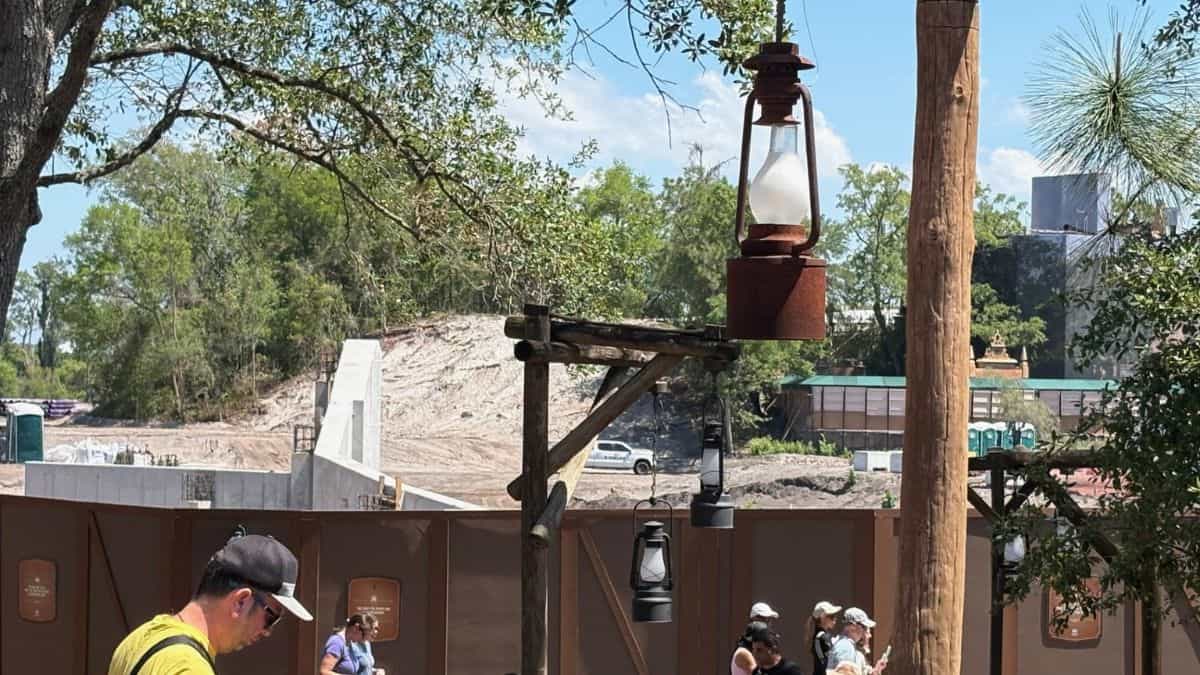
Historically, Disney has often used third-party groups like Patina to manage new dining concepts. This allows Disney to offload the logistical and labor costs of running complex kitchens. However, the union is now calling on Disney to stop awarding new contracts to Patina until a “Gold Standard” labor agreement is reached.
The fear among workers is that as Disney expands, it will continue to “outsource the magic,” slowly eroding the middle-class jobs that the union has fought for decades to protect. By calling for a stop to Patina’s expansion, the workers are effectively asking Disney to take responsibility for the labor practices occurring under the “Disney” name.
The Economic Reality: Record Revenue vs. Living Wages
The timing of this labor push is no coincidence. It follows Disney’s record-breaking $9 billion in Q2 2026 revenue. While the company is seeing massive profits—driven largely by high-margin food and beverage sales—the workers argue that none of that “pixie dust” is making it into their paychecks.
Orlando’s cost of living has skyrocketed in recent years, with housing prices and insurance premiums reaching all-time highs. For a restaurant worker earning $16 or $17 an hour at a third-party venue, the math simply doesn’t work. The union’s demand is simple: One Job Should Be Enough. They are pushing for a contract that reflects the reality of 2026, not 2019.
The Future of Disney Labor
For those searching for “Disney World labor dispute 2026” or “Patina Group Union Vote,” the implications of this story go far beyond a single contract. This is a bellwether for the entire Central Florida service industry.

Key Takeaways for Fans and Travelers:
- Service Impact: While a strike has not yet been called, the “Yes” vote on May 7 authorizes the union to take further action if negotiations fail. Travelers should be aware that service at Patina-operated restaurants could be affected this summer.
- The Landlord Dilemma: This puts Disney in a difficult PR position. While they don’t technically employ Patina workers, they own the land. If the “Disney brand” becomes associated with labor unrest and “low-road” employment practices, it harms the overall guest experience.
- Expansion at Stake: If Disney heeds the call to stop expansion with third parties, we may see more Disney-owned restaurants in the future, which typically leads to higher prices for guests but better stability for workers.
The Path Forward: Will Disney Listen?
As the results of the May 7 vote are finalized, the ball is in Disney’s and Patina’s court. The Patina Group has stated its commitment to “continuing fair and productive negotiations,” but the union remains skeptical.

The ultimate goal of UNITE HERE Local 737 is to force a “Living Wage” floor across the entire property, regardless of whether the name on the paycheck says “Disney” or “Patina.” By targeting expansion plans, they are hitting the company where it hurts: its future growth.
Conclusion: A New Era of Activism in the Parks
The era of the “quiet” Disney worker is over. From the resellers in the parking garages to the servers in the Italy Pavilion, the Disney community in 2026 is more vocal and organized than ever.

The May 7 vote wasn’t just a tally of hands; it was a demand for dignity. As Disney looks toward its next 50 years of growth, it must decide if that growth will be built on a foundation of outsourced labor or a renewed commitment to the people who make the magic happen every day.
What do you think? Should Disney take more responsibility for the wages and benefits offered by third-party restaurants on their property? Let us know in the comments!