 Credit: SeaWorld
SeaWorld Orlando occupies a complicated position in the theme park landscape that has not gotten meaningfully simpler in the decade since Blackfish changed the public conversation around marine animal captivity. The documentary landed in 2013, and the cultural fallout was severe, producing years of declining attendance, executive departures, canceled partnerships, and a sustained public relations challenge that the company has been navigating in various ways ever since. For a significant portion of the public, SeaWorld remains primarily associated with the controversy the film generated, and that association has proven remarkably durable, regardless of what the company has done in the years since.

What tends to get lost in that conversation, or at least underreported within it, is the rescue operation that SeaWorld has been running continuously since long before Blackfish existed. Not as a response to the controversy. Not as a PR pivot. As a genuine, federally recognized, around-the-clock animal welfare operation that has been pulling injured, stranded, orphaned, and sick marine animals out of dangerous situations and rehabilitating them for return to the wild for decades. The operation runs 24 hours a day, 365 days a year, across SeaWorld’s three locations in Orlando, San Diego, and San Antonio, and it just reached a number worth sitting with for a moment.
SeaWorld has now surpassed 43,000 animal rescues.
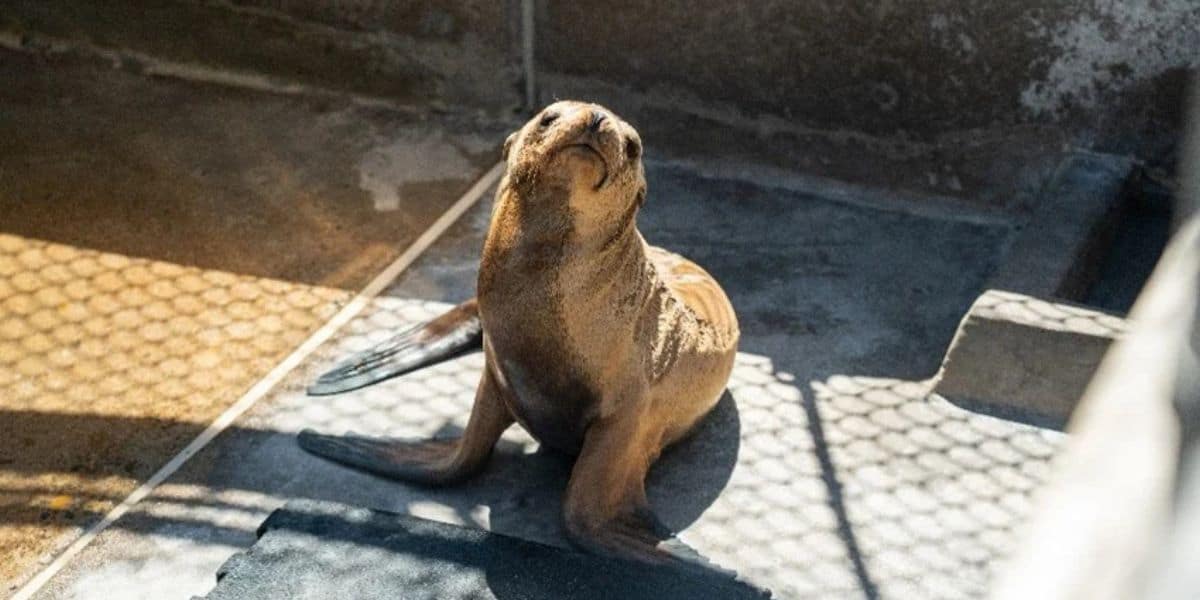
The 43,000th rescue was a California sea lion pup found earlier this month on the back stairs of a beach house in Carlsbad, California. She was nearly one year old, severely dehydrated, and significantly underweight when she arrived at the SeaWorld Rescue Center in San Diego. She is currently receiving fluids, formula, and around-the-clock care while learning to eat fish independently and socialize with other rescued sea lions. She is alive because a rescue team showed up.
What the Animal Rescue Operation Actually Looks Like
SeaWorld’s rescue teams respond to stranded, injured, sick, and orphaned marine animals and birds, ranging from manatees, dolphins, and whales to sea turtles, otters, seals, sea lions, and aquatic birds. The scope of what these teams handle on a regular basis is not visible from the theme park midway or from the social media posts that tend to define public perception of the brand. It happens in storm drains, on beaches, in coastal waterways, and in situations where an animal’s survival depends entirely on someone getting there fast with the right equipment and knowledge.
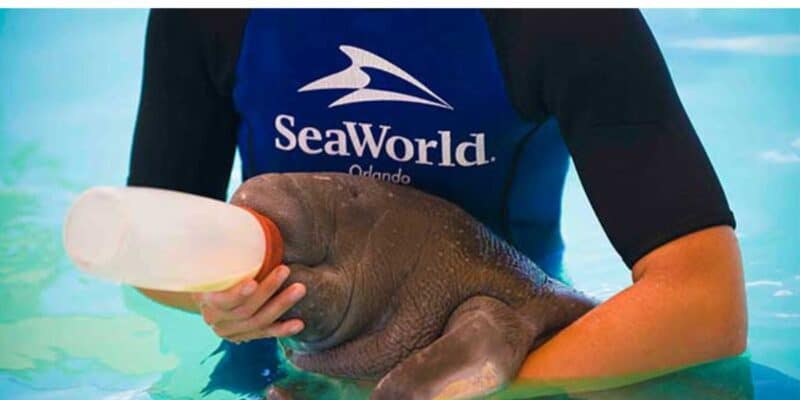
In Florida alone during the first few months of 2026, SeaWorld Orlando’s rescue team helped rehabilitate 21 manatees, a baby dolphin, nearly 40 turtles and reptiles, and several birds. One of the more recent success stories is Melby, a manatee rescued from a storm drain in Melbourne Beach, who was rehabilitated at SeaWorld Orlando and released back into the wild after gaining more than 100 pounds during her recovery. That is a manatee that is alive and swimming in Florida waters right now because SeaWorld’s team responded to a call and did the work.
SeaWorld Orlando operates the largest manatee rescue operation in the United States. The park’s five-acre rescue facility can care for up to 60 manatees simultaneously, and SeaWorld Orlando is one of only five federally designated critical care centers for manatees in the country. That designation is not self-assigned. It is a federal recognition of the facility’s capability and commitment that carries genuine regulatory weight.
The Scale of What Is Happening in San Diego
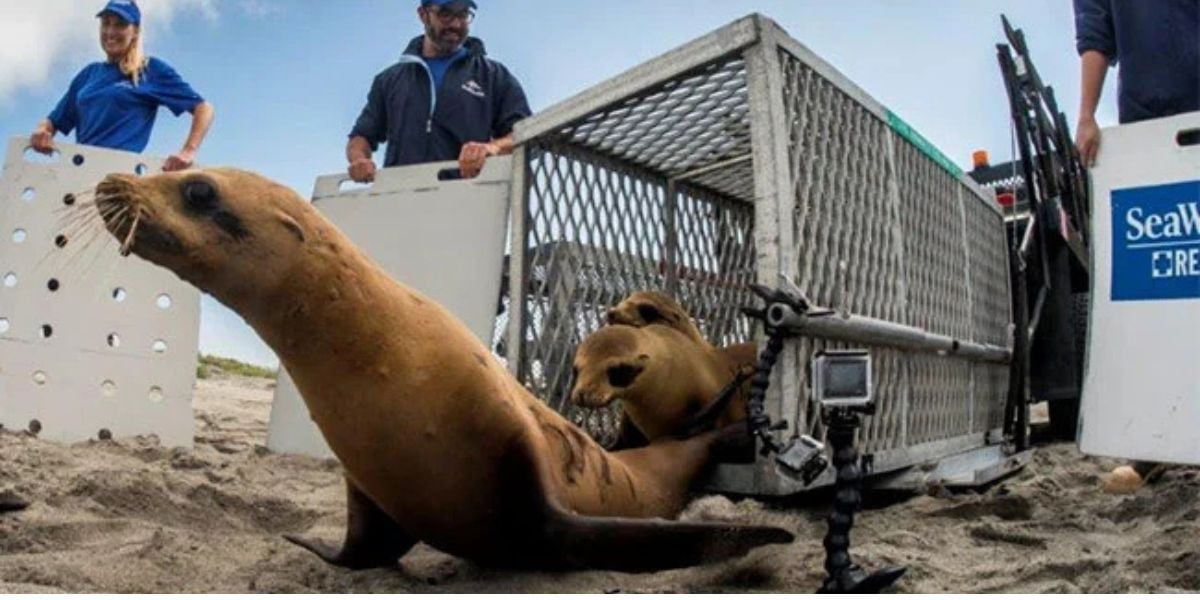
SeaWorld San Diego’s rescue numbers for 2026 alone reflect how consistent and active the operation is. In the first five months of 2026, the San Diego team has already rescued more than 40 pinnipeds, nearly 150 birds, and a dolphin. Those numbers are not annual totals. They cover five months of operations at one of the three SeaWorld rescue centers.
Pinnipeds are the category that includes seals and sea lions, animals that strand on California beaches with enough regularity that a dedicated rescue operation is not a luxury but a necessity for the coastal ecosystem. Nearly 150 birds in five months represent a sustained commitment to a species that rarely attracts the kind of public attention a dolphin or manatee rescue does, but that requires the same care and expertise.
What Happens to an Animal That Cannot Be Released
SeaWorld’s stated goal for every rescued animal is rehabilitation and release back into the wild. For the significant number of animals that wildlife authorities determine are non-releasable due to the severity of their injuries or other factors, SeaWorld provides permanent care at its parks. Those animals become part of the guest-facing educational programs that inform visitors about the pressures marine life faces in the wild, particularly for threatened and endangered species, including manatees, sea turtles, sea otters, and Guadalupe fur seals.
The educational function that non-releasable animals serve at SeaWorld parks is part of the broader conservation argument the company has been making more explicitly in recent years as it works to reshape a public narrative largely shaped by a decade-old documentary. Whether that narrative shift succeeds or not in the court of public opinion, the rescue operation behind it is not a rebranding exercise. Forty-three thousand rescues happened because teams of people showed up in the middle of the night to pull animals out of storm drains, off beach house staircases, and out of situations where, without intervention, the outcome would have been fatal.
That is the SeaWorld that does not make the documentary. It is SeaWorld that just hit 43,000.