3
3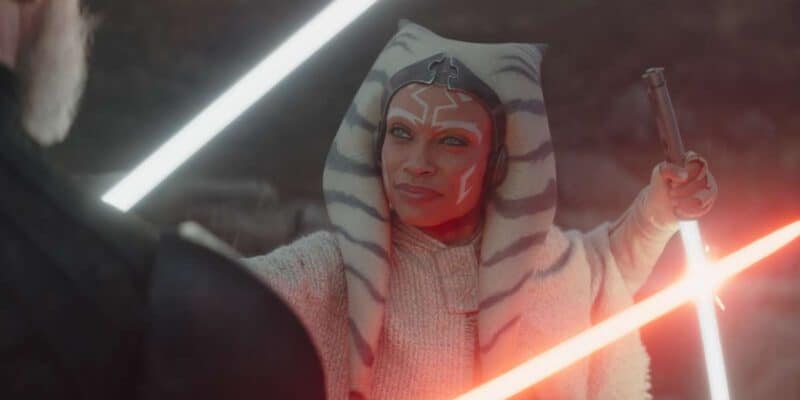
 Credit: Lucasfilm
Lucasfilm has spent the last several years carefully building a massive interconnected Star Wars universe across streaming television. Characters bounced between projects, storylines overlapped, and longtime fans began treating Disney+ series almost like required viewing before the next big release.
Now, though, that strategy may already be changing.
The newest Star Wars project has quietly pulled away from many of the major threads that once seemed essential to the franchise’s future. Two hugely important characters who many fans assumed would play major roles are nowhere to be found, despite years of setup leading audiences to believe otherwise.
For longtime viewers who followed every Disney+ episode, the decision feels especially surprising. But according to Lucasfilm, there was a reason behind the sudden shift.

Disney+ Completely Changed Modern Star Wars
When Disney+ launched, Lucasfilm quickly turned streaming into the heart of the Star Wars franchise. Instead of focusing mainly on theatrical films, the studio built an interconnected world through multiple live-action series.
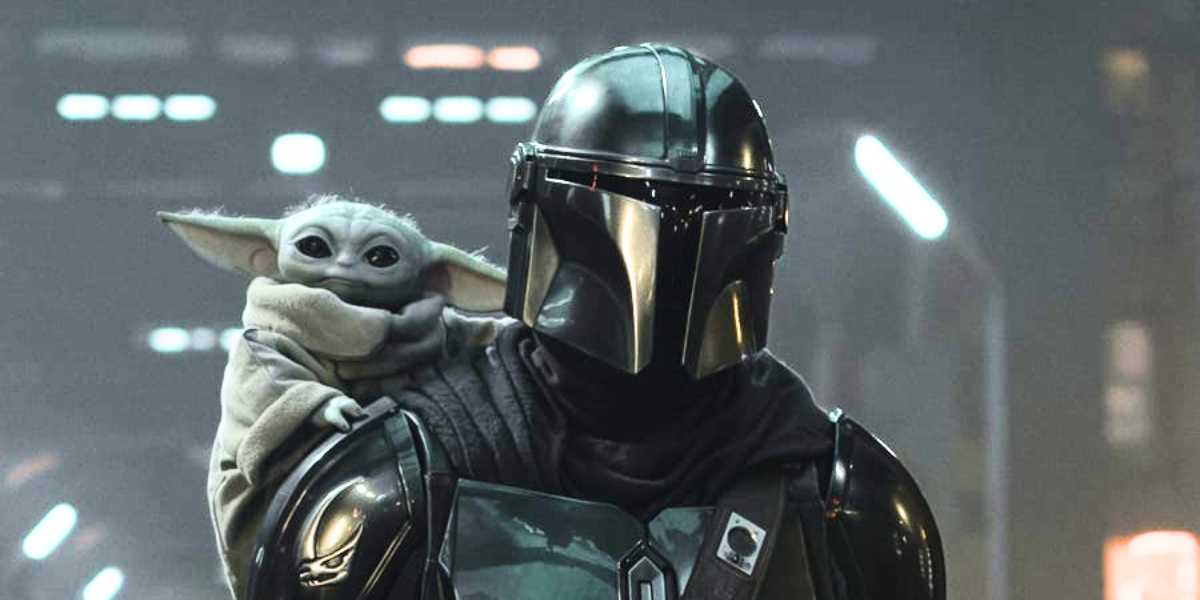
The Mandalorian became an instant success, turning Din Djarin and Grogu into major pop culture stars and proving that live-action Star Wars television could thrive. Lucasfilm quickly expanded from there.
The Book of Boba Fett continued storylines introduced in The Mandalorian, while Ahsoka pushed the shared universe even further by bringing animated characters into live action. Obi-Wan Kenobi revisited one of the franchise’s most iconic Jedi and helped bridge gaps between earlier films.
Other series like Andor, Skeleton Crew, and The Acolyte all contributed to Disney’s streaming era, but nearly every project shared one major trait: connectivity. Characters crossed over frequently, references linked shows together, and fans started treating the Disney+ era like one giant ongoing story.
That strategy became especially tied to what viewers called the “MandoVerse.”

The Mandalorian Finally Made the Jump to the Big Screen
After three successful seasons on Disney+, The Mandalorian moved from streaming to theaters with The Mandalorian & Grogu, which released on May 22, 2026.
The transition made sense for Lucasfilm. Din Djarin and Grogu had become two of modern Star Wars’ biggest stars, and the movie gave Disney a chance to see whether streaming-era characters could carry a theatrical blockbuster.
In many ways, the film worked. Casual audiences could follow the story easily, Grogu remained a major draw, and the movie kept the same adventure-heavy tone that made the series so popular.
Still, longtime fans quickly realized that several major Disney+ storylines had disappeared. Characters tied closely to earlier seasons never appeared, and plotlines that once seemed important barely received attention.
For fans who followed every crossover and larger storyline setup, the movie felt much more self-contained than expected.
Eventually, Jon Favreau explained the reasoning behind those decisions.
Jon Favreau Explains Why Certain Characters Were Removed
Speaking about the transition from streaming television to a theatrical film, director Jon Favreau revealed that Lucasfilm intentionally shifted its approach once the project evolved from a planned fourth season of The Mandalorian into a movie.
Favreau explained that serialized television allows creators to assume audiences already understand years of ongoing storylines. A theatrical release, however, has to appeal to viewers who may never have watched the Disney+ series connected to the franchise.
That meant simplifying the story considerably.
As a result, two major characters tied closely to the larger “MandoVerse” storyline disappeared entirely from The Mandalorian & Grogu: Ahsoka Tano and Grand Admiral Thrawn.
Their absence surprised many fans because both characters appeared positioned to play major roles in the future of live-action Star Wars. Ahsoka already shared strong connections to Din Djarin’s story, while Thrawn had long been viewed as a looming threat expected to carry into future projects.
Instead, Lucasfilm reduced the amount of crossover storytelling.
While the film still features characters like Zeb Orrelios, the Hutt twins, and Embo, their appearances function more as entertaining side characters than major pieces of a larger narrative.

Lucasfilm’s New Direction Comes With Trade-Offs
There is little doubt that The Mandalorian & Grogu works better as a standalone movie because of these changes. Casual viewers can easily follow the story without prior Disney+ knowledge.
Still, longtime fans have noticed what the movie loses in the process.
Part of what made The Mandalorian so exciting on Disney+ was the feeling that every season contributed to a larger story unfolding across multiple series. The movie largely moves away from that approach.
Even with recognizable characters appearing throughout the film, Lucasfilm avoids tying them into a broader ongoing narrative. Zeb, for example, mainly serves as comic relief and a supporting ally rather than a major connective figure.
That now leaves Ahsoka Season 2 carrying most of the responsibility for continuing the wider “MandoVerse” storyline.
It also creates an unusual situation for the franchise. The Mandalorian helped launch this interconnected era of Star Wars storytelling, yet its theatrical future now appears determined to separate itself from the continuity it originally built.

Lucasfilm Just Changed the Rules for Modern Star Wars
Lucasfilm’s decision to simplify The Mandalorian & Grogu clearly came from a practical place. The studio wanted a theatrical movie that both hardcore fans and casual audiences could enjoy without requiring years of Disney+ viewing beforehand.
From a business standpoint, that approach makes sense.
Still, the absence of Ahsoka Tano and Grand Admiral Thrawn sends a pretty clear message about where Lucasfilm currently stands with its theatrical future. The franchise appears far less interested in heavily serialized storytelling on the big screen than many fans originally expected.
For some viewers, that may make future movies easier to enjoy.
For others, though, it feels like Star Wars is walking away from one of Lucasfilm’s most ambitious storytelling experiments in years.