9
9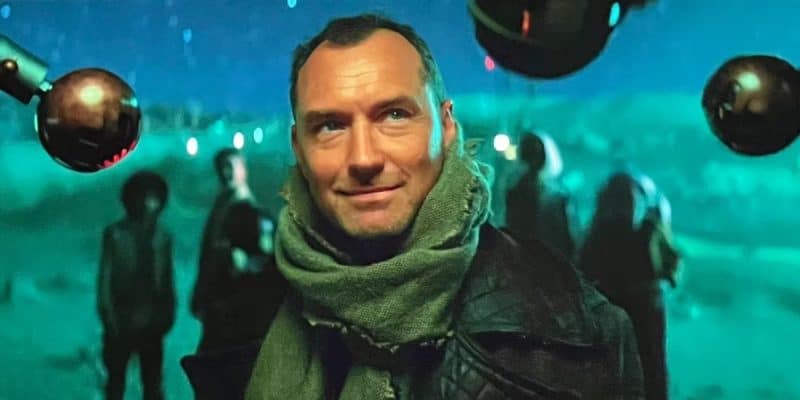
 Credit: Lucasfilm
A quiet confirmation from a cast member has reignited conversation about the fate of one of the New Republic era’s most inventive entries — just as the television universe it inhabits begins to contract.

By the time Star Wars: Skeleton Crew wrapped its eight-episode first season in January 2025, it had accomplished something genuinely rare in modern franchise television: it told a complete, emotionally coherent story. That it did so with four child leads, a morally ambiguous Jude Law at its center, and a tone closer to The Goonies (1985) than anything previously attempted in a galaxy far, far away made the achievement all the more striking. What remains unclear is whether Disney and Lucasfilm intend to let that story continue.
A recent comment from Kerry Condon — the Irish actress best known for her Academy Award-nominated turn in The Banshees of Inisherin (2022) — has offered the faintest signal that a second season may not be entirely off the table. Speaking at a press event for the 2026 film Pressure with Screen Rant, Condon said she had “heard maybe possibly” that Skeleton Crew could return, while stopping well short of any confirmation. It is the kind of non-answer that would barely register in most circumstances, but in the current climate surrounding Star Wars live-action television, it reads as something closer to encouraging.

A Show That Earned More Than It Got
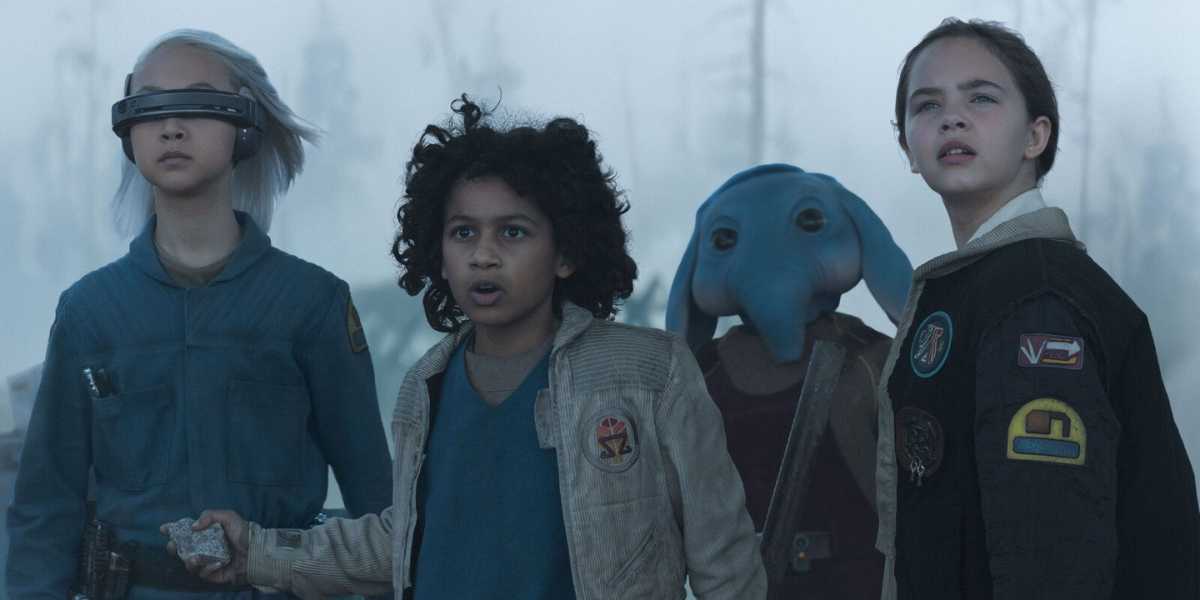
To understand the stakes of Skeleton Crew‘s uncertain future, it helps to understand what made the series work in the first place. Created by Jon Watts (Spider-Man: No Way Home) and Christopher Ford, the show centered on four children — Fern, Wim, KB, and Neel — who accidentally escape the boundaries of their home planet, At Attin, a prosperous, deeply insular world that has deliberately hidden itself from the broader galaxy. What follows is essentially a coming-of-age odyssey, one that draws heavily on the aesthetic and emotional grammar of 1980s adventure films while remaining unmistakably part of the Star Wars universe.
The thematic core of the series is unusually sophisticated for what marketing positioned as family-friendly entertainment. Questions of isolation versus connection, the dangers of enforced innocence, and the gap between the world children are told exists and the one they actually inhabit run throughout every episode. At Attin, for all its prosperity, is a gilded cage — and the children’s accidental departure is as much an awakening as it is a crisis.

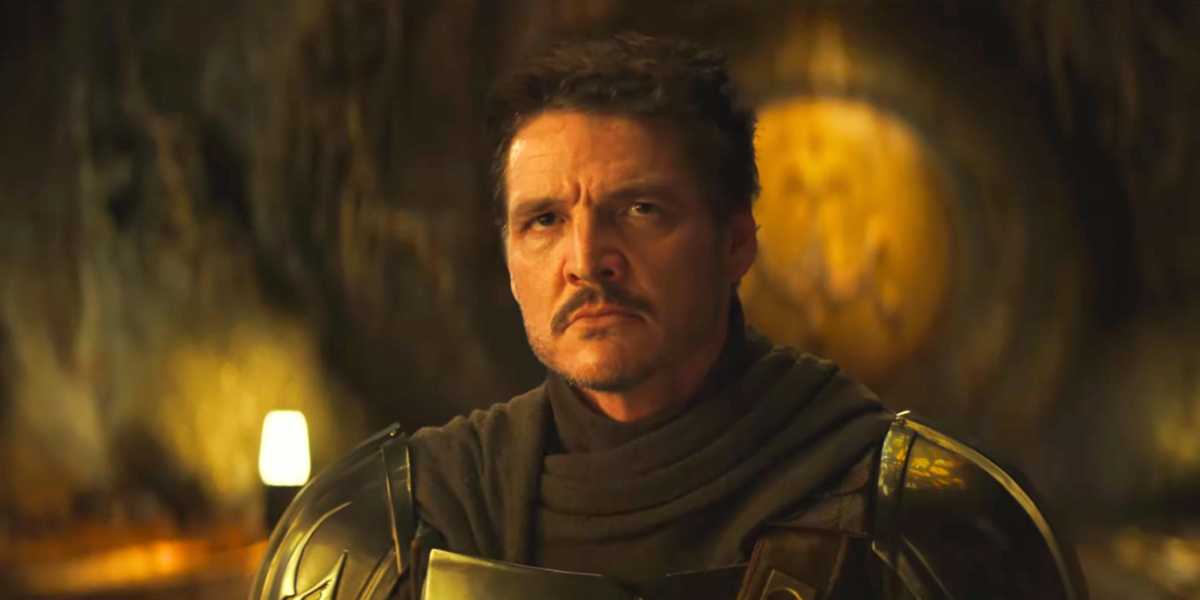
Condon’s character, Fara, sits at the intersection of these themes. As both the mother of protagonist Fern and a senior government official on At Attin, she embodies the tension between protection and control. Her decision in the season finale to destroy the Barrier — the mechanism keeping At Attin hidden — is the show’s defining dramatic act, one that simultaneously invites the New Republic in and closes the door on the world as it existed. It is, in other words, the kind of irreversible narrative choice that demands a follow-up.
Skeleton Crew earned a 92% approval rating from critics on Rotten Tomatoes, with audience scores sitting at a respectable 79%. What it did not earn was the cultural footprint of The Mandalorian. It premiered, was appreciated by those who found it, and then largely receded from mainstream conversation — a fate that has become something of a pattern for the more ambitious corners of the Star Wars streaming slate.

Where It Lives in the Timeline — and Why That Matters
Skeleton Crew is set in the New Republic era, the same post-Return of the Jedi period that houses The Mandalorian, The Book of Boba Fett, and Ahsoka. This shared timeline, sometimes referred to as the Mando-Verse, was conceived as an interconnected web of narratives gradually building toward a larger confrontation — the arrival, or return, of Thrawn and the eventual circumstances that lead to the fractured galaxy of Star Wars: Episode VII–The Force Awakens (2015).
At Attin’s reintegration into the New Republic is not merely a character resolution. It is a geopolitical event with implications for that broader canvas. A second season would presumably explore how a previously hidden, resource-rich planet recalibrates its relationship with a Republic that is itself showing signs of institutional strain. The children, now matured by their experiences, would be navigating a planet in flux — no longer sheltered from a galaxy that, as the first season made abundantly clear, is far messier and morally grayer than At Attin’s leadership ever admitted.

Jod Na Nawood, the charming and irredeemably self-interested pirate played by Jude Law, also remains unresolved. His arc across season one — from apparent mentor to revealed antagonist to something more complicated by the finale — is the kind of character work that serialized television is designed to extend, not conclude.
The Shrinking Window
The complication is that the Mando-Verse is no longer expanding. It is, by most indications, being wound down.
Disney’s pivot toward theatrical Star Wars has accelerated significantly. The Mandalorian and Grogu (2026) — conceived as a cinematic continuation of the series that launched this entire era — has just been released, effectively pulling the franchise’s most recognizable characters out of the streaming ecosystem and into the multiplex. Star Wars: Starfighter (2027), an unrelated film from Shawn Levy, is slated for May 2027. The message from Lucasfilm’s leadership has been consistent: the future of Star Wars as a prestige property runs through theaters, not episodic television.
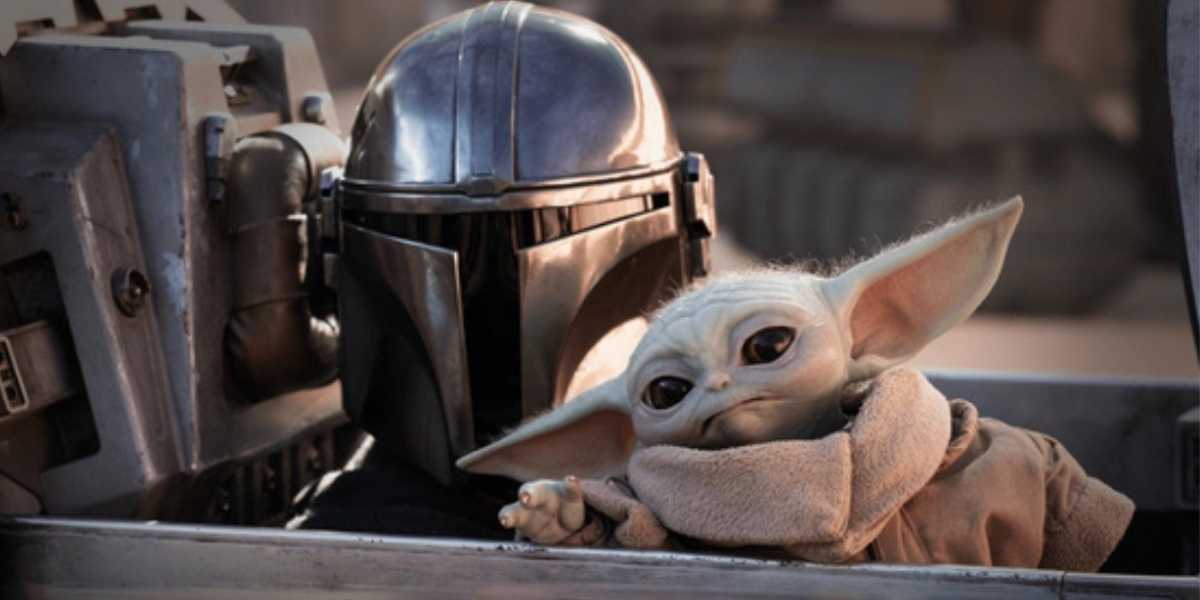
Within that shift, the television slate has narrowed considerably. Of the New Republic-era shows, only Ahsoka has a confirmed second season — and even that renewal carries an asterisk, with widespread reporting suggesting that season two is being designed as a series finale rather than a continuation.
Into that tightening space, Skeleton Crew is attempting to find room. Watts and Ford have publicly stated their desire to continue the story, describing a second season as something they are “dreaming of” and noting that they have already developed conceptual directions for where the narrative could go. That creative ambition, while genuine, must contend with a Lucasfilm pipeline that is increasingly prioritizing convergence over expansion.

It was only recently that The Mandalorian‘s Jon Favreau confirmed that the pivot to a theatrical Mando-Verse entry came after the fourth season was put on hold.
“When we were discussing doing a fourth season of [The Mandalorian], which was put on hold, and then the idea of doing a theatrical presentation… It changed the way we approached how interconnected things should be,” Favreau told Entertainment Weekly. “A fourth season of a show would have assumed that you saw three seasons previously and, frankly, everything else on Disney+. That’s the nature of a serialized long-form TV story.”
The Practical Problem
There is also a logistical consideration that any hypothetical second season cannot sidestep. Skeleton Crew filmed its first season between September 2022 and January 2023 — meaning that by the time cameras would roll on a follow-up, the show’s four young leads would be approaching or entering adolescence. Ryan Kiera Armstrong, Ravi Cabot-Conyers, Kyriana Kratter, and Robert Timothy Smith have each grown substantially in the intervening years, a reality that would require the writers to either age the characters within the narrative or find a creative solution that accounts for the visible passage of time.
This is not an insurmountable problem — Stranger Things navigated something similar across its multi-year production gaps — but it is a variable that adds complexity to an already uncertain renewal calculus. The show’s coming-of-age themes could, in principle, accommodate older versions of these characters. The children of At Attin were always going to have to grow up eventually; the question is whether the story does so on purpose or by necessity.
What a Second Season Would Need to Justify
If Skeleton Crew does return, it will do so in a franchise landscape that has changed around it. The New Republic’s television era is closing; the theatrical era is beginning. A second season would need to justify its existence not just as a continuation of four characters’ journeys, but as a meaningful contribution to a timeline that is actively being brought to resolution.
The groundwork, at least, is there. At Attin’s opening to the galaxy, Fara’s choices, the children’s transformation, and Jod’s unfinished story all provide scaffolding for a season that could be both emotionally satisfying on its own terms and narratively relevant to the larger arc. Whether Lucasfilm chooses to build on that scaffolding — or allow Skeleton Crew to stand as the rare streaming Star Wars story that knew when to stop — remains, for now, genuinely unknown.
How do you feel about a second season of Skeleton Crew? Let Inside the Magic know in the comments down below!