1
1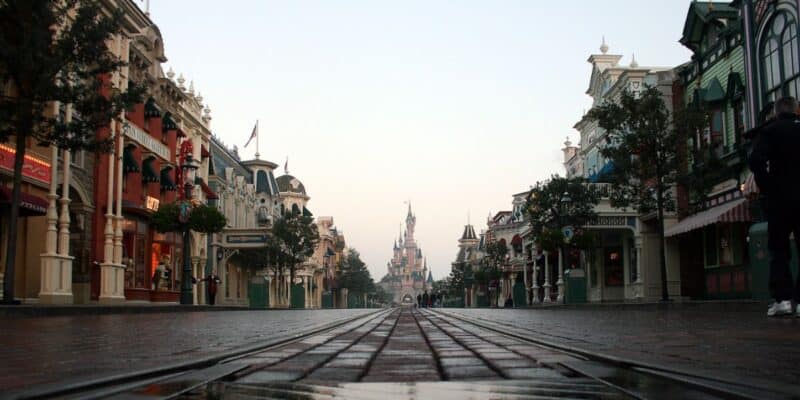
 Credit: David Jafra, Flickr
For decades, the health of the Walt Disney World and Disneyland resorts was measured by a simple metric: the turnstile. If the parks were packed and the wait times were astronomical, Disney was winning. But as the financial results for the second quarter of 2026 have just revealed, that old-school philosophy has been officially retired.
In a move that has stunned financial analysts and frustrated the traditional middle-class fan base, The Walt Disney Company has reported a record-breaking $9.5 billion in revenue for its “Experiences” division in Q2 2026. However, hidden beneath that staggering number is a detail that seems almost contradictory: attendance at the domestic parks is actually down.
The message from Burbank is now crystal clear: Disney doesn’t need a “sea of people” to make a fortune. In fact, they’ve discovered they prefer a smaller, wealthier crowd willing to pay a premium for a “ghost town” experience.
The Josh D’Amaro Strategy: Quality Over Quantity
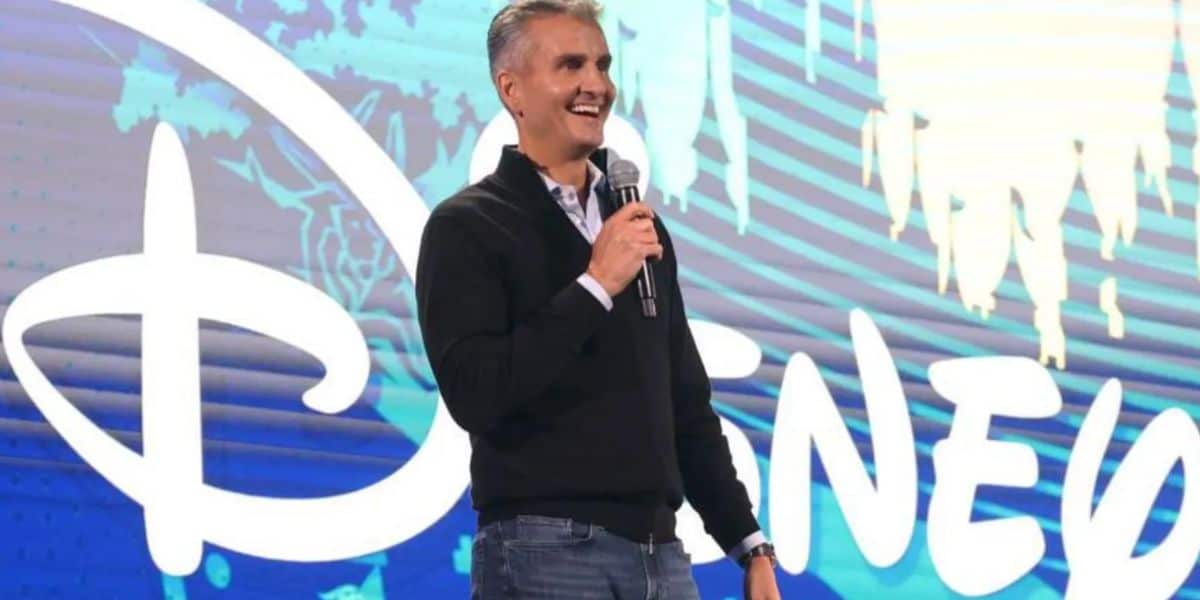
This quarter marks a significant milestone for Josh D’Amaro, who has overseen the Experiences division through its most aggressive pricing evolution in history. Under his tenure, the goal has shifted from “volume” to “yield.”
For years, guests complained that the parks were too crowded. Disney’s solution wasn’t necessarily to build more capacity (though expansions like the “Beyond Big Thunder” project are underway), but to use price as a gatekeeper. By raising the “barrier to entry,” Disney has successfully thinned out the crowds while simultaneously extracting more money from every person who walks through the gates.
According to the Q2 2026 report, guest spending per capita is at an all-time high. People are staying in more expensive rooms, eating more expensive meals, and—most importantly—paying more to avoid the very lines that the decreased attendance should have shortened.
The Record-High Cost of “Pixie Dust”
How exactly does a park with fewer people make more money? It comes down to a strategy of “premiumization.” In 2026, the base price of a Disney ticket is merely the starting point of a much larger financial commitment.

1. The Lightning Lane Revolution
The transition from the free FastPass+ to the paid Lightning Lane Multi Pass and Single Pass systems has turned wait times into a commodity. Even with lower attendance, the “perceived” value of skipping a 45-minute wait for Big Thunder Mountain or Slinky Dog Dash remains high. Guests are now conditioned to view the $25 to $35 daily add-on as a mandatory tax on their vacation.
2. The Luxury Hotel Pivot
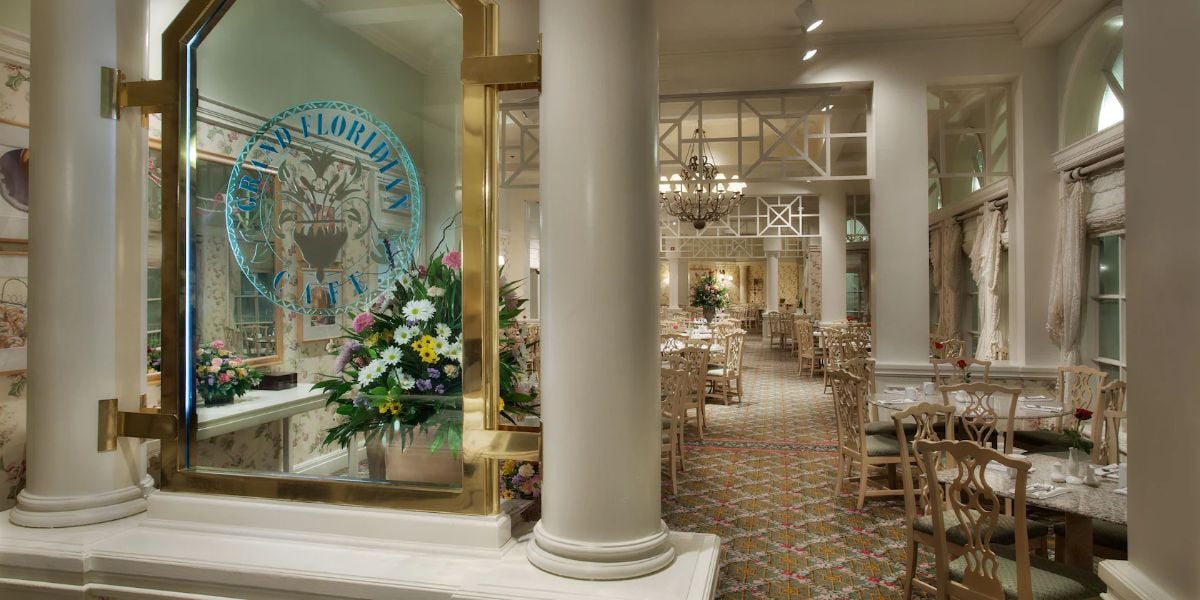
Disney has leaned heavily into its Deluxe resorts. While Value resorts like All-Star Movies continue to see fluctuating occupancy, the high-end “monorail loop” hotels—The Contemporary, Polynesian, and Grand Floridian—are seeing record revenue. Disney has realized that one guest staying at the Grand Floridian is worth five guests staying off-property, and they are tailoring their perks (like Extended Evening Hours) to reward the “whale” spenders.
3. Food, Beverage, and Merchandise
The “Mickey Premium” has never been higher. From the $7.50 churro to the $250 custom-built lightsaber at Savi’s Workshop, Disney has mastered the art of “upselling” the experience. In Q2 2026, food and beverage revenue jumped significantly, driven largely by the introduction of high-end, “Instagrammable” dining experiences catering to the luxury demographic.
The Disappearing Middle Class
The data highlights a sobering reality for many longtime fans: the quintessential middle-class Disney vacation is becoming a thing of the past. By intentionally keeping attendance lower and prices higher, Disney is effectively “pricing out” the demographic that built the parks in the 1970s and 80s.

For Disney, this isn’t a PR disaster—it’s a business optimization. A park at 70% capacity, with guests spending $400 a day, is more profitable and has lower overhead costs (less staffing, less trash, less wear and tear) than a park at 100% capacity, with guests spending $150 a day. The “stress” on the infrastructure is lower, but the profit margins are higher.
This shift has created a “barbell” effect in Orlando tourism. While Disney’s revenue hits record highs, off-property hotels and lower-tier attractions are feeling the pinch as families struggle to afford the “Disney Bubble.”
The Streaming Safety Net: A +88% Explosion
While the parks are the traditional cash cow, the Q2 2026 earnings report brought another massive win for the company: Streaming income has exploded by 88%.

For the first time since its launch, Disney+ and the combined streaming bundle (Hulu/ESPN+) are contributing massive black ink to the bottom line. This is a crucial piece of the “fewer, wealthier guests” strategy. When the streaming division was losing billions, Disney needed every single body they could get in the parks to cover the deficit.
Now that Disney+ is a profit engine, the company has the financial “cushion” to be patient with the parks. They don’t have to lower ticket prices to entice crowds because the streaming revenue is providing the growth Wall Street demands. This gives Josh D’Amaro and the park’s team the freedom to keep the gates “exclusive.”
The “Beyond Big Thunder” Future
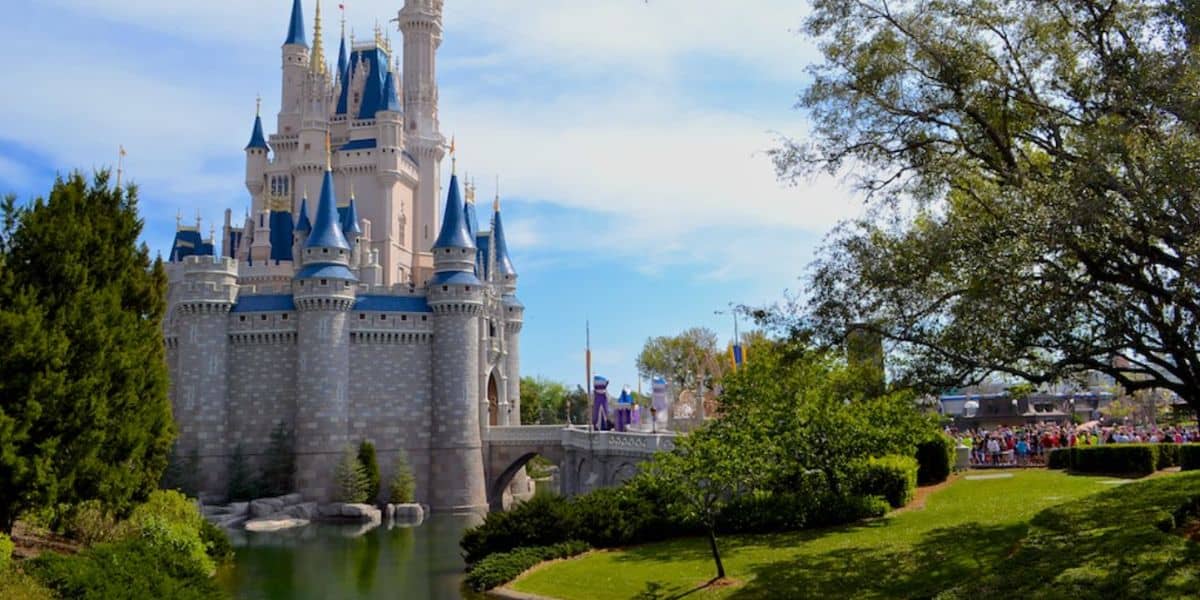
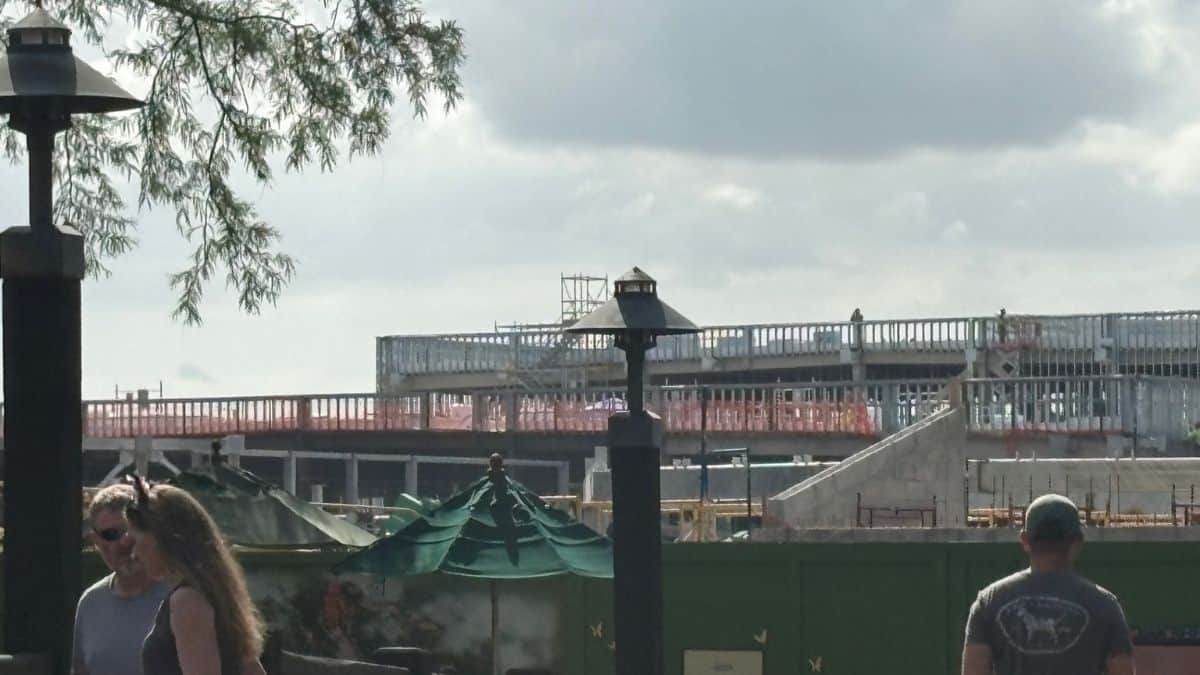
Looking ahead, Disney is doubling down on this luxury-focused model. The massive “Beyond Big Thunder” expansion at Magic Kingdom and the reimagining of DinoLand U.S.A. at Animal Kingdom into “Tropical Americas” are designed with high-capacity, high-detail environments that justify premium pricing.
Even the recent “Muppet-fication” of the Rock ‘n’ Roller Coaster courtyard is an attempt to refresh intellectual property that appeals to a wide, multi-generational demographic willing to spend on nostalgia.
Conclusion: The New Normal
As the $9 billion Q2 results show, the “Wildest Ride in the Wilderness” isn’t a roller coaster—it’s Disney’s stock price. By pivoting away from the masses and toward the affluent, Disney has found a way to decouple profit from popularity.

For the guests who can still afford to pass through the tunnels under the Main Street, U.S.A. At the train station, the reward is a park that feels slightly less congested than the “shoulder-to-shoulder” days of 2019. But for the millions of families watching from the sidelines as prices reach record highs, the “Most Magical Place on Earth” is increasingly looking like the most expensive club on earth.
In 2026, Disney isn’t just selling magic; they are selling exclusivity. And as the numbers prove, exclusivity is a very, very good business.