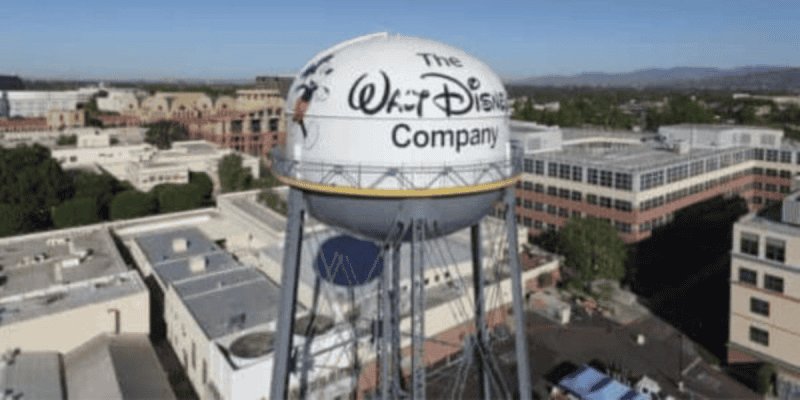
 Credit: Disney
A California man has been sentenced to prison following a massive bomb threat made to The Walt Disney Company.

Related: Bomb Threats Close Down Major California Theme Park as Police Race Against the Clock
Disney Fans Know the Magic Has Always Depended on Trust
For generations, The Walt Disney Company has existed in a strange emotional space. To millions of fans, it is not just a studio, a theme park empire, or a streaming giant. It is memory. It is childhood. It is the soundtrack playing behind family vacations, late-night movie marathons, and entire fandom communities built around characters that feel almost personal.
That emotional connection is powerful. It is also complicated.
In the modern entertainment era, fans do not simply watch from a distance anymore. They debate, campaign, demand, defend, criticize, and organize online. Sometimes, that passion creates beautiful moments. Other times, it exposes something darker beneath the surface of fandom culture, where attachment can turn into entitlement and criticism can mutate into something dangerous.
Now, a disturbing case involving Disney, a beloved television property, and an alleged harassment campaign has taken a serious legal turn.

A Disturbing Disney Case Has Now Taken a Serious Legal Turn
A California man accused of making a fake bomb threat against The Walt Disney Company has agreed to plead guilty in federal court, according to a new report from MyNewsLA. Seth Daniel Stewart, described as a Northern California man who also uses the name “Angel Cross,” agreed to plead to one count of conveying false information concerning the use of an explosive device, a charge that carries a possible sentence of up to 10 years in prison.
The case is not being described as a random threat made in isolation. Federal prosecutors allege it was part of a much broader pattern involving cyberstalking, harassment, threatening messages, and attempts to intimidate a Disney attorney and other employees. MyNewsLA reports that Stewart also acknowledged cyberstalking a Disney lawyer and placing the attorney in fear of death or serious bodily injury to her family.
For longtime Disney fans, this feels significant because it touches something larger than one criminal case. It reflects the growing pressure surrounding major entertainment companies that control beloved franchises, especially when those franchises carry decades of emotional attachment.
The Allegations Began With One of Television’s Most Beloved Cult Franchises
According to court documents cited by MyNewsLA, the allegations trace back to Stewart’s reported efforts beginning in September 2022 to acquire the rights to Buffy the Vampire Slayer, the late-1990s and early-2000s series starring Sarah Michelle Gellar.
That detail is what makes this story feel so surreal for entertainment fans. Buffy is not just another television title sitting inside a corporate library. It is a generational touchstone. The series helped define cult TV fandom, female-led genre storytelling, supernatural teen drama, and online fan communities long before today’s social media ecosystem fully took shape.
After Disney allegedly rejected Stewart’s plans and a company attorney sent a cease-and-desist letter, prosecutors say the situation escalated. MyNewsLA reports that Stewart began sending threatening and harassing emails and voicemails directed at the attorney and other Disney employees.
A surprising shift is unfolding here, and it is one fans may not immediately realize: in today’s entertainment landscape, intellectual property is not just business. For some fans, it has become identity. When that identity collides with corporate ownership, the emotional stakes can become volatile.
What Started as a Rights Dispute Allegedly Became Something Far More Personal
The most troubling allegations go far beyond frustration over franchise ownership. Prosecutors said Stewart posted 22 pages of personal identifying information for the Disney lawyer and other employees to a dark web doxing site on March 3, 2023, according to MyNewsLA. The information reportedly included names, home addresses, phone numbers, email addresses, and job titles.
The Blast previously reported that the alleged threats included demands tied to Buffy the Vampire Slayer and disturbing voicemails directed at Disney executives and attorneys.
Guests are already reacting to stories like this in a broader cultural sense because Disney is often viewed through the lens of joy, nostalgia, and family entertainment. But behind the polished brand are real people: attorneys, employees, operators, creatives, security teams, and customer service representatives who can become targets when anger toward a company becomes personal.
According to MyNewsLA, Stewart later called Disney’s guest services number while pretending to be a Disney employee and falsely claimed someone was planning to bomb the company’s offices.
That allegation changes the emotional weight of the case. A false bomb threat is not only a legal matter. It can disrupt workplaces, trigger emergency responses, frighten employees, and force companies to evaluate safety risks that guests and fans may never see.
This Case Raises Bigger Questions About Fandom, Access, and Safety
Fans are noticing that major entertainment companies are navigating an increasingly tense relationship with the communities that helped make their franchises valuable. Disney, Universal, Warner Bros., Netflix, and other media giants all depend on passionate audiences. But that same passion can become harder to manage in an age where fans expect access, answers, and influence.
This is especially true for legacy properties like Buffy the Vampire Slayer, Star Wars, Marvel, Harry Potter, and other fandom-defining worlds. These stories belong emotionally to the people who grew up with them, even when they legally belong to corporations. That tension is not new, but social media has made it louder, faster, and more personal.
What started as a small change is now raising bigger questions. How do companies protect employees from harassment while still engaging with fan communities? How do studios support healthy fandom without encouraging entitlement? And how does the entertainment industry respond when online fixation crosses into real-world fear?
Those questions matter because the future of entertainment is built on participation. Fans are no longer passive viewers. They are commentators, campaigners, critics, customers, and sometimes unofficial brand ambassadors. That creates opportunity, but it also creates risk.
Related: Disney World Monorail Ceases Operations After Terrorist Threat
Disney’s Next Challenge May Be Protecting the People Behind the Magic
For Disney, this case arrives at a time when the company remains under intense public scrutiny across its parks, studios, streaming platforms, and corporate decisions. Every closure, price increase, casting choice, creative shift, and franchise update becomes part of a larger conversation about what Disney is becoming.
But this story is a reminder that behind every headline about “Disney” are individual people doing their jobs.
As this case moves forward, fans may continue to debate the future of Buffy the Vampire Slayer, Disney’s handling of inherited Fox properties, and whether beloved franchises should be revived, rebooted, or left untouched. Those conversations are fair game. They are part of fandom.
But the alleged behavior in this case shows where the line becomes unmistakable.
The bigger picture is not just about Disney or one disturbing threat. It is about an entertainment culture where emotional investment has never been stronger, access has never felt closer, and the boundary between fan passion and real-world consequence has never mattered more. For future guests, employees, and fandom communities, that boundary may become one of the most important conversations in modern entertainment.