 Credit: Disney
 Disney World is tightening the rules in a way that many guests are only just starting to notice. Across several major attractions, Cast Members are paying closer attention than ever to what riders are holding before dispatch. It’s not a small tweak either—it’s a coordinated push that affects some of the most popular rides in the parks. If you’re planning a trip soon, this is one update you’ll want to understand before you step into the queue.
Disney Is Taking a Much Harder Line on Phones
For years, Disney has asked guests to secure loose items before riding. That part isn’t new. What is new is how strictly that rule is now being enforced.
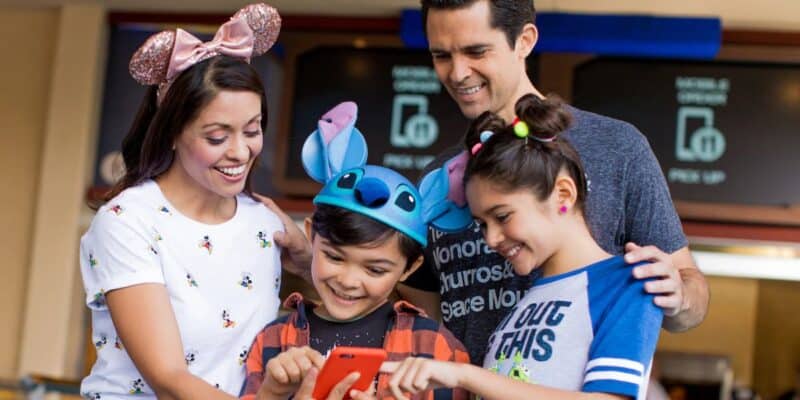
Cast Members are no longer giving gentle reminders and moving on. If they see a phone in your hand or even sitting in your lap, they can—and often will—hold the ride. In many cases, they won’t dispatch the vehicle at all until the item is fully secured.
That means slower loading times, longer waits, and more attention on every single rider before the attraction can move forward. It’s not about being overly strict—it’s about preventing a growing issue that has started to impact operations across multiple rides.
Dropped phones have become a real problem, and Disney is clearly done taking chances.
The Problem Behind the Crackdown
This shift didn’t come out of nowhere. Over time, phones slipping out of hands or pockets have caused more disruptions than most guests realize.
When a phone drops onto a track or into a ride system, Disney often has to stop the attraction entirely. These emergency stops—commonly called E-stops—can delay operations for extended periods. In some cases, they require Cast Members to physically retrieve the item, which takes even more time and resources.
It’s not just about inconvenience either. Loose items can create safety risks for both riders and employees.
So instead of reacting after the fact, Disney is now focusing on prevention. And that means making sure nothing is loose before the ride even begins.

TRON Lightcycle Run Sets the Standard
At TRON Lightcycle Run, this stricter approach is already in full effect. In fact, this attraction may be the clearest example of where Disney is heading.
Phones, bags, and other loose items must be placed in lockers before you ride. There’s no workaround here. Even more notably, guests generally need a MagicBand, ticket media, or a cast member card rather than MagicMobile. That detail alone discourages guests from bringing their devices.
Once you’re inside the loading area, Cast Members are watching closely. If anything looks unsecured, they’ll stop the process immediately.
It’s a system built to eliminate risk—and it’s influencing how other rides are now being handled.

Cosmic Rewind and the Rise of Strict Enforcement
Over at Guardians of the Galaxy: Cosmic Rewind, the same mindset is taking hold. While the ride doesn’t require mandatory lockers like TRON, enforcement of rules against loose items has become noticeably tighter.
Cast Members are actively checking riders before dispatch. If a phone is visible, they will pause the process and ask you to secure it properly. It might only take a few seconds, but those moments add up quickly across a full train of guests.
The goal is simple: keep the ride moving without unexpected stops once it’s already in motion.
Runaway Railway Is Seeing the Biggest Impact
One attraction where this crackdown is making a major difference is Mickey & Minnie’s Runaway Railway.
Cast Members here have become especially strict, and for good reason. Dropped phones on this ride have caused more E-stops than almost any other attraction. As a result, they’ve adjusted their approach in a very direct way.
If a guest has a phone in their hand or resting in their lap, Cast Members will not pull the dispatch lever. The ride simply won’t start.
That might seem intense, but it’s a response to a consistent problem. By stopping issues before they happen, Disney avoids larger delays that affect everyone in line.

Classic Coasters Are Following the Same Pattern
This isn’t limited to newer attractions. Some of Disney World’s most iconic rides are also seeing stricter enforcement.
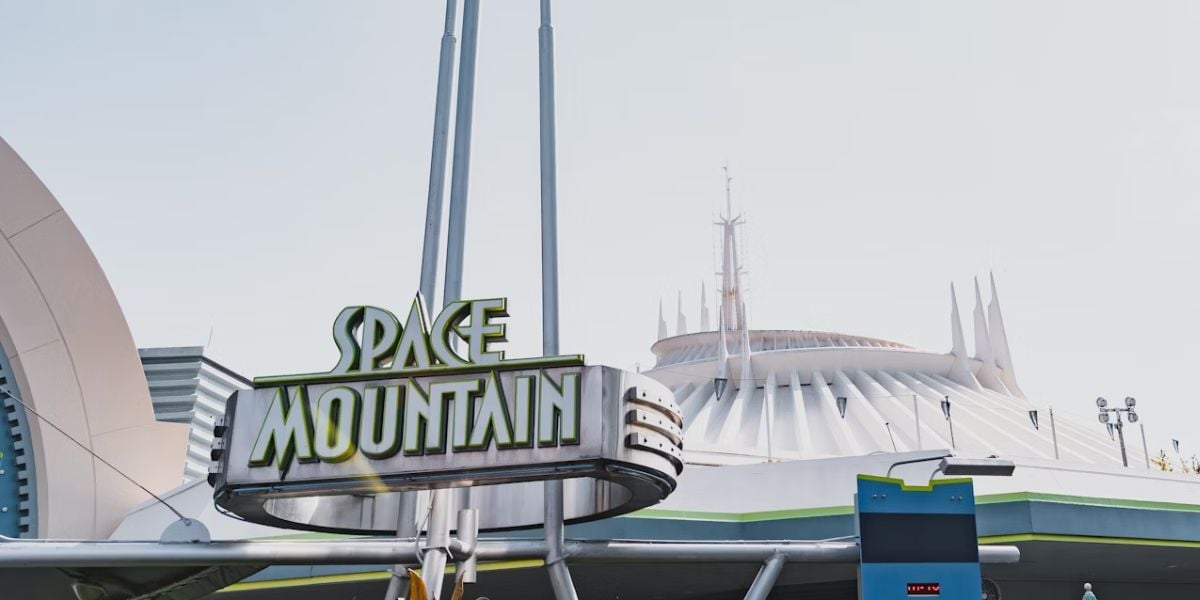
On Expedition Everest, Seven Dwarfs Mine Train, and Space Mountain, Cast Members are watching for loose items more closely than before. These rides already involve fast speeds, sharp turns, and sudden drops—exactly the kind of movements that send unsecured phones flying.
If a cast member spots something in your hand, they may delay dispatch until it’s put away. It’s a small step that helps prevent bigger issues once the train leaves the station.
The experience itself hasn’t changed, but the expectations before you ride definitely have.
Rock ’n’ Roller Coaster Will Likely Join the List
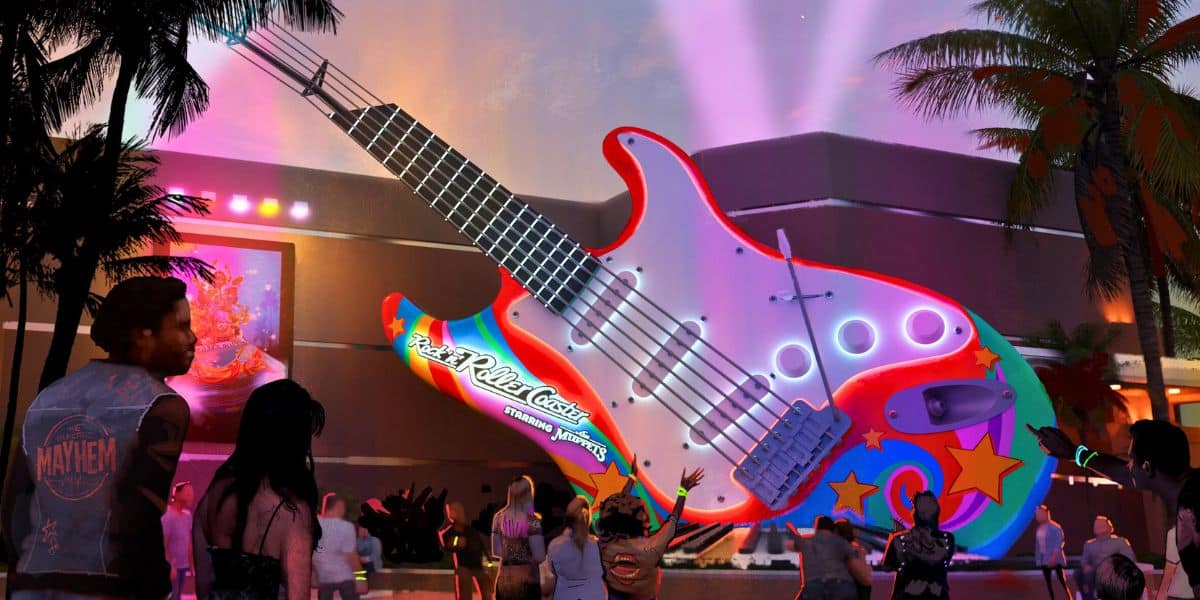
When Rock ’n’ Roller Coaster reopens, it’s expected to follow the same approach.
This ride has always been intense, with high speeds and rapid launches that make loose items even more dangerous. Given the direction Disney is already taking, it’s hard to imagine this coaster operating without strict phone policies.
Guests should expect the same level of attention from Cast Members—and the same requirement to secure everything before takeoff.
What This Means for Your Next Visit
If you’re heading to Walt Disney World soon, this change is worth keeping in mind. It doesn’t mean you can’t bring your phone into the parks or even onto rides—it just means you need to be more intentional about how you handle it.
Before you board, take a moment to store your phone in a secure pocket, a zipped bag, or a locker if one is provided. Don’t assume you can hold onto it for a quick photo or video. That’s exactly what Disney is trying to prevent.
Doing this not only keeps you moving through the line faster, but it also helps avoid delays for everyone else.
A Small Change That Could Have a Big Impact
At first glance, this might seem like a minor adjustment. But across seven major attractions, it adds up to a noticeable shift in how Disney operates.
By focusing on prevention, Disney is aiming to reduce downtime, improve safety, and keep rides running as smoothly as possible. It’s a practical move, even if it requires guests to adjust their habits a bit.
And once you see how often rides pause for loose items, it starts to make a lot more sense.
For now, the message is clear: if you’re riding, your phone needs to be secured. Otherwise, you might be the reason the train doesn’t leave the station.