

 Credit: Marvel Studios/Sony Pictures
The Spider-Man franchise is at a turning point, with multiple new developments confirmed surrounding the iconic wallcrawler.
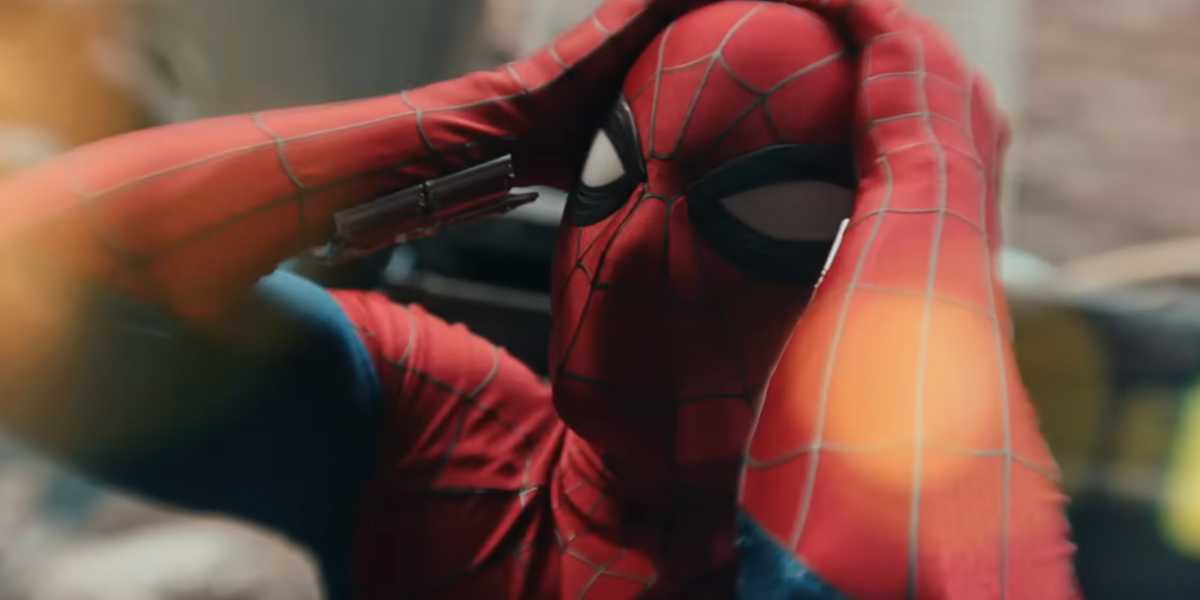
Spider-Man is one of the most iconic superhero characters in comic book and movie history. With multiple versions of the character gracing the pages of comics and the big and small screen, it’s clear that the webslinger is as popular now as they ever were.
However, while many fans were likely comfortable with the current iterations of the franchise on the big screen, notably Tom Holland’s Peter Parker in the Marvel Cinematic Universe and Miles Morales in the animated space, Sony–and by extension Disney’s Marvel Studios to a degree–is about to transform everything audiences have come to know about the modern-day Spider-Man.
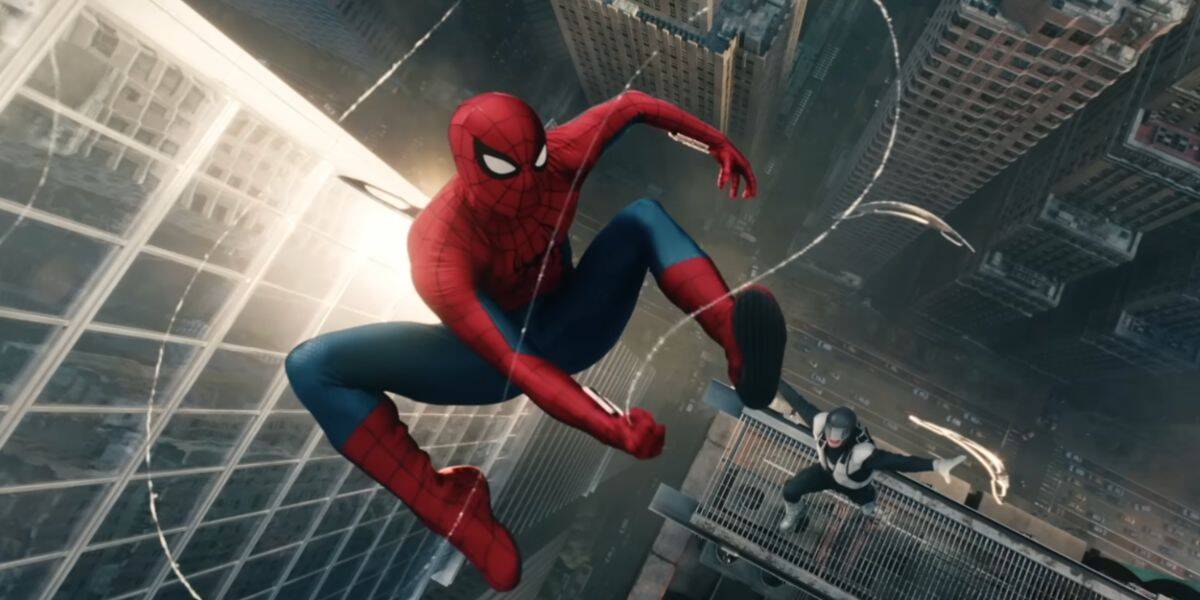
Sony Pictures has confirmed it will host a panel at the upcoming CinemaCon 2026, which takes place this month, from April 13 through April 16, at The Dolby Colosseum at Caesars Palace in Las Vegas. Sony is expected to make statements on the current slate, likely offering new looks at Spider-Man: Brand New Day (2026) ahead of its July release, as well as updates on the third installment in the animated Spider-Verse series, Spider-Man: Beyond the Spider-Verse (2027).
Not only that, but Sony recently addressed its own failed shared universe experiment, confirming that something akin to a reboot is in the works. Read on for what can be expected to be discussed later this month.
Spider-Man: Brand New Day and the MCU Character’s Fresh Start
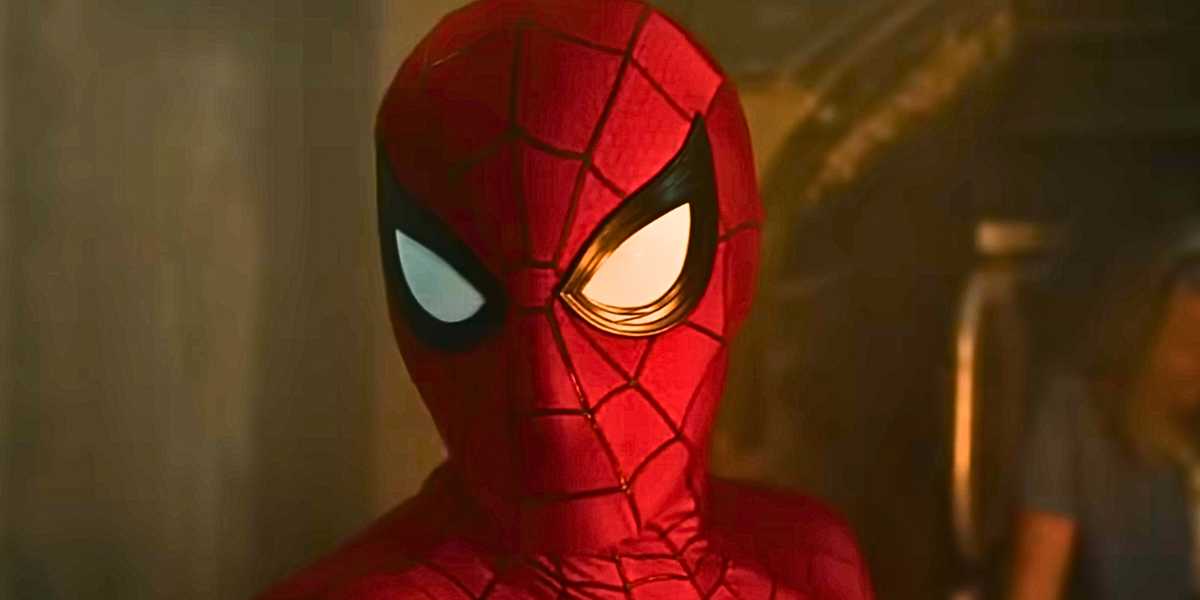
Spider-Man: Brand New Day (2026) is shaping up to be far more than just another Marvel sequel. Instead, Marvel Studios and Sony Pictures are positioning it as a defining reset—not only for Tom Holland’s Peter Parker, but for the Marvel Cinematic Universe itself.
After years of unprecedented success, the MCU has recently found itself at a crossroads. While films like Deadpool & Wolverine (2024) proved the franchise can still deliver massive hits, others struggled to meet expectations. Even Spider-Man: No Way Home (2021), widely considered a high point, wasn’t enough to completely silence growing concerns about audience fatigue.
Projects like The Fantastic Four: First Steps (2025) and the upcoming Avengers: Doomsday (2026) are being framed as the beginning of a new era rather than the culmination of the old one. But perhaps the most surprising move is Spider-Man’s reported absence from the next Avengers installment. Instead of placing Peter Parker at the center of that narrative, Marvel is sending him in a completely different direction.
That direction begins with a bold premise: Peter Parker is gone.
Picking up four years after No Way Home, Brand New Day finds a world that has moved on without any memory of Peter. What remains is Spider-Man—operating alone, without the support system that once defined him. It’s a striking shift for a character whose previous trilogy leaned heavily on mentorship and connection.
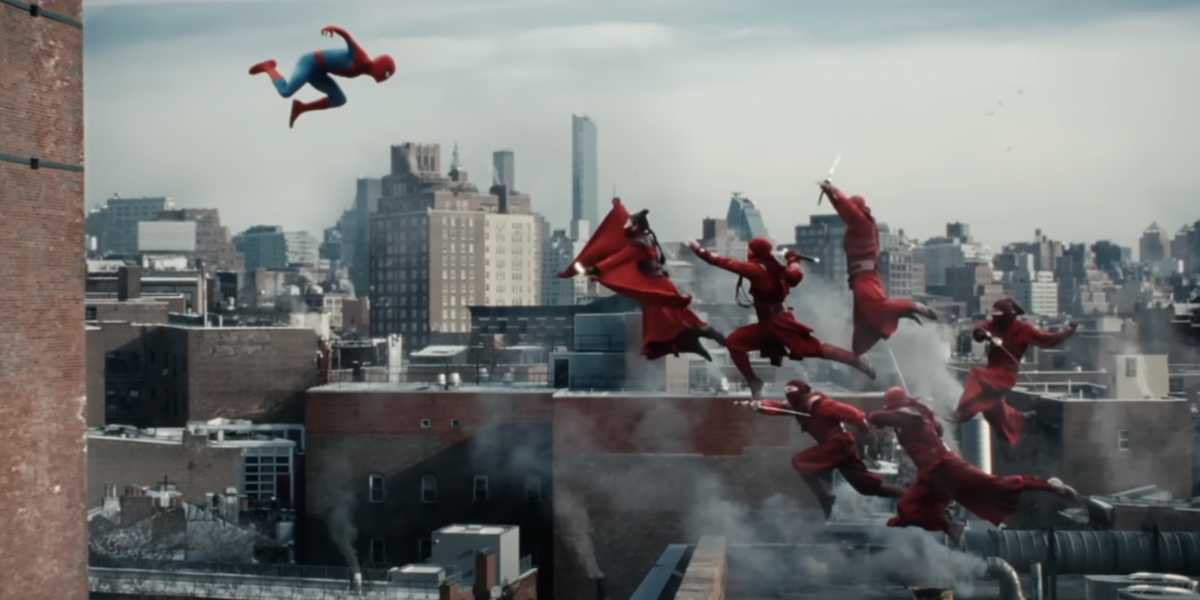
Tom Holland has described the film as a “fresh start,” and that’s evident in both tone and storytelling. This is a Spider-Man story rooted in isolation, identity, and the difficult transition into adulthood. But it’s also something darker.
Recent trailer footage suggests a version of Spider-Man that feels increasingly unstable. His abilities appear to be evolving beyond his control, with organic webbing replacing the tech fans are used to.
These elements draw clear inspiration from Marvel Comics’ “The Other” storyline, which centers on death and rebirth. And that theme seems to sit at the heart of Brand New Day. Despite its more supernatural edge, the film remains grounded. Familiar faces like MJ and Ned continue their lives without Peter, while new threats—including Scorpion and Tombstone—begin to close in.
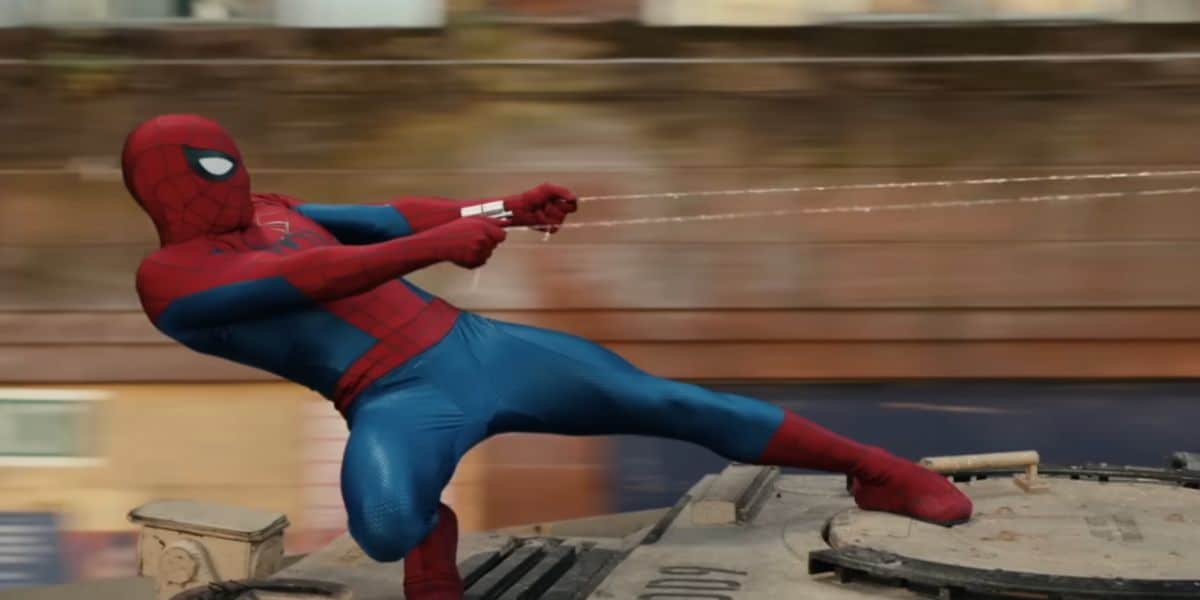
The End of the Miles Morales Era
Sony Pictures is preparing to close a defining chapter in modern superhero storytelling, as the Miles Morales-led Spider-Verse saga approaches its long-anticipated conclusion. With Spider-Man: Beyond the Spider-Verse set for release in 2027, the studio has confirmed that the film will mark the end of the core trilogy centered on the fan-favorite character—bringing a groundbreaking era to a deliberate and emotional finish.
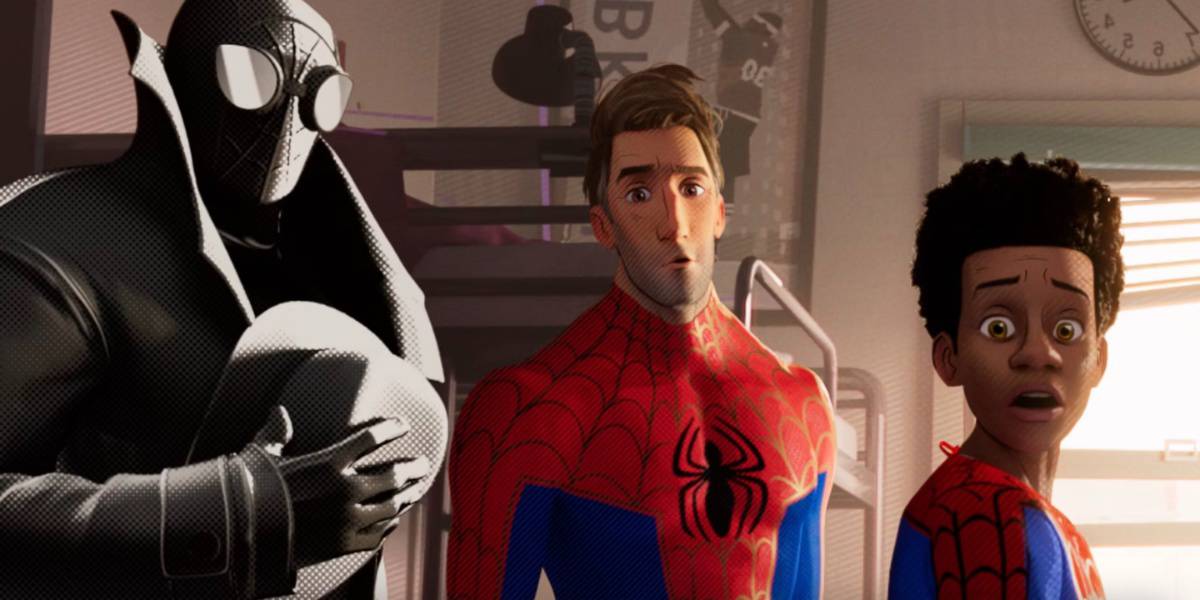
Since its debut in 2018, the Spider-Verse series has stood apart from traditional superhero franchises. 2018’s Into the Spider-Verse introduced audiences to Miles Morales (Shameik Moore) with a bold visual style and heartfelt coming-of-age story that immediately resonated. It wasn’t just another comic book adaptation—it redefined what animated storytelling in the genre could achieve. Its follow-up, Across the Spider-Verse (2023), expanded that vision with greater ambition, pushing both narrative and artistic boundaries while deepening Miles’ personal journey.

Now, the upcoming third installment is poised to complete that arc. Producers Phil Lord and Chris Miller have confirmed that Beyond the Spider-Verse (2027) is designed as the final chapter in Miles’ story within this trilogy. Rather than extending the narrative indefinitely, the creative team has chosen to give it a clear and intentional ending—an increasingly rare move in a franchise-driven industry.
The decision signals more than just the end of a storyline. It represents a shift in how Sony plans to approach its Spider-Man universe moving forward. While the Miles Morales trilogy will conclude, the broader Spider-Verse concept is far from over. Instead of continuing a single, overarching narrative, the studio appears to be pivoting toward expansion through spin-offs and standalone projects.

This strategy allows the legacy of the Spider-Verse to evolve without being confined to one central character. Popular figures introduced throughout the trilogy, such as Spider-Gwen (Hailee Steinfeld) and Spider-Punk (Daniel Kaluuya), are already positioned to carry future stories. Meanwhile, the Multiverse framework ensures that Miles Morales himself could still appear in new and unexpected ways, even if his primary arc has reached its conclusion.
For audiences, the end of the Miles Morales era brings a mix of anticipation and nostalgia. The trilogy has not only built a passionate fanbase but has also left a lasting imprint on the superhero genre as a whole. By choosing to end the story on its own terms, Sony is preserving what made it special—while opening the door to new creative directions.
When Beyond the Spider-Verse arrives, it won’t simply be another sequel. It will serve as the final note in a story that changed the landscape of animated superhero films, closing one chapter while setting the stage for what comes next.

The “Fresh Reboot” of Sony’s Spider-Man Universe
Sony Pictures is officially hitting the reset button on its struggling Spider-Man Universe—and this time, the studio isn’t being subtle about it.
Following a string of underwhelming releases, Sony chairman Tom Rothman has confirmed that the so-called SSU is heading for a “fresh reboot” with “new people,” signaling a dramatic shift in direction for the franchise. For a universe that launched with the financial success of the Venom movies but quickly lost momentum with critical misfires like Morbius (2022) and Madame Web (2024), the move feels less like a surprise and more like an inevitability.
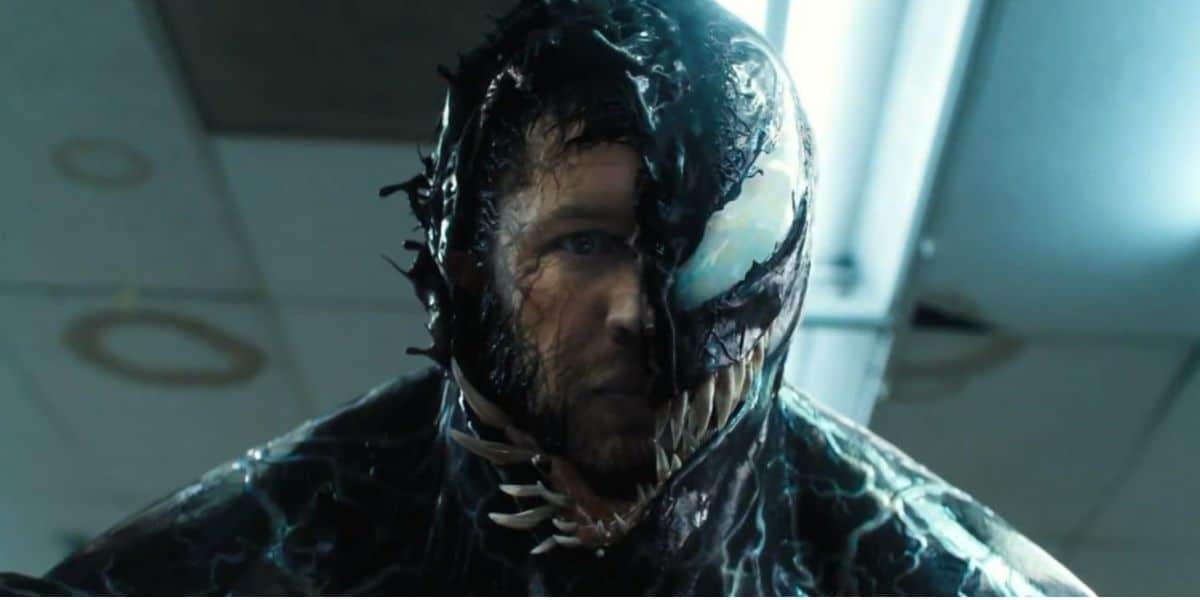
What that reboot actually looks like, however, remains a mystery. Rothman’s comments suggest a clean slate—potentially introducing a new creative team, a new tone, and possibly even a new Spider-Man altogether. Notably, Tom Holland is expected to remain firmly rooted in the MCU, leaving Sony’s standalone universe to carve out its own identity moving forward.
The decision also raises bigger questions about whether the studio will finally integrate Spider-Man into its own universe or continue focusing on peripheral characters. Either way, Sony’s next steps are critical. After years of uneven results, this “fresh reboot” could determine whether the SSU evolves into something sustainable—or fades further into obscurity.
How do you feel about the various Spider-Man updates? Let Inside the Magic know in the comments down below!