
 Credit: Sony Pictures Animation
Something just shifted inside Sony’s Spider-Man universe—and it’s the kind of move that tends to ripple far beyond a single announcement.
A major franchise has officially been shut down. Not paused. Not reworked. Done.
And almost immediately, another update followed—one that points toward where Sony is heading next with Spider-Man. It’s not a full reveal, not yet. But the pieces are starting to fall into place, and fans are beginning to connect the dots.
For a franchise that’s spent the last several years trying to find its footing outside the Marvel Cinematic Universe, this moment feels bigger than usual. It’s not just about what ended—it’s about what comes next.
And if you’ve been paying attention, you already know this story isn’t as straightforward as it seems.
A Universe That Never Fully Clicked
Sony has spent years building out its own Spider-Man-focused universe, and the results have been… mixed at best.
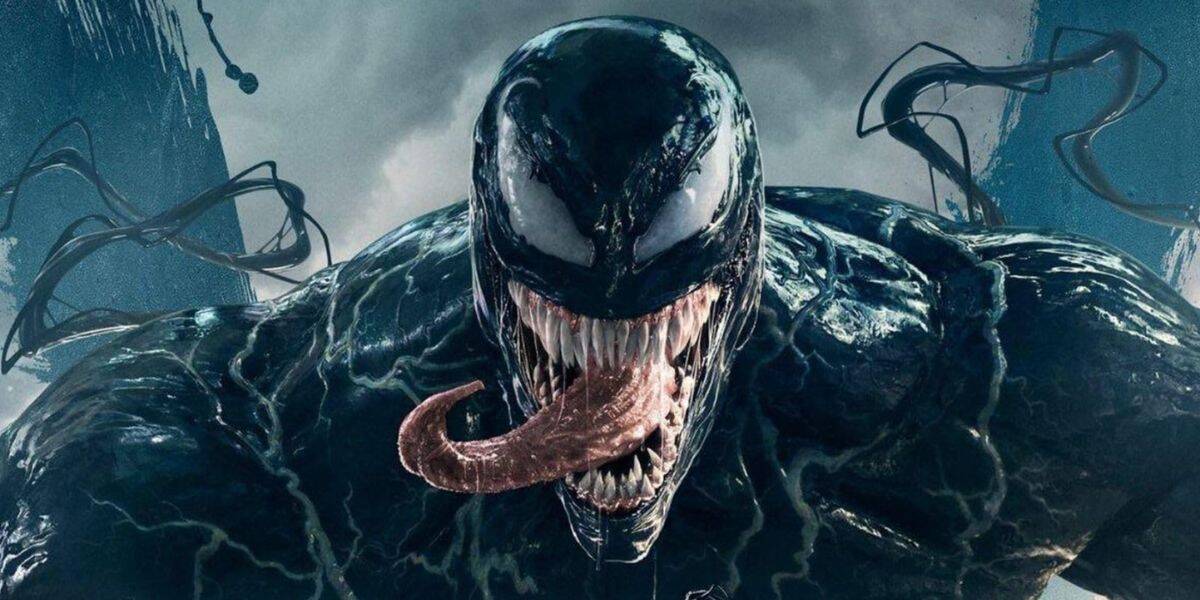
There were moments where it felt like things might work. The Venom films carved out a lane, drawing in audiences and delivering solid box office returns. They weren’t universally loved, but they found a rhythm—and more importantly, a fanbase.
But then came the other attempts.
Projects like Madame Web (2024) and Kraven the Hunter (2024) struggled to generate excitement, and when they finally hit theaters, they failed to deliver the kind of impact Sony clearly hoped for. Instead of expanding the universe, they raised more questions about whether the strategy was working at all.
That contrast is what makes this situation so interesting.
Sony has proven it knows how to handle Spider-Man before. The Spider-Man trilogy, led by Tobey Maguire, helped define the modern superhero era. Those films still carry weight with fans today.
And more recently, Sony found lightning in a bottle again—but in a completely different way.

The One Corner That Changed Everything
If there’s one area where Sony hasn’t just succeeded—but thrived—it’s the animated side of the Spider-Man universe.
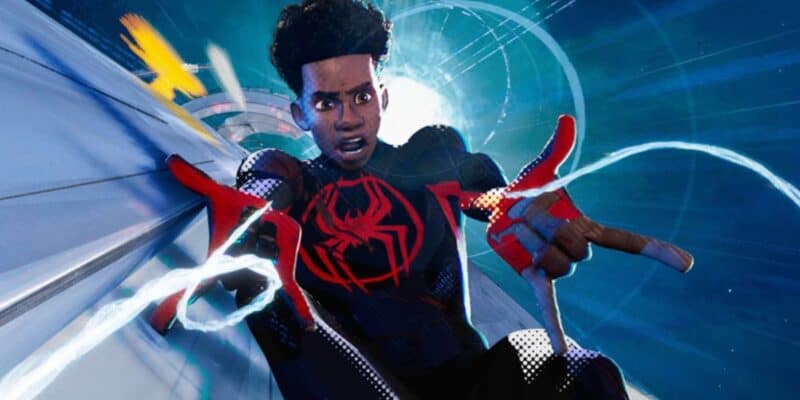
Spider-Man: Into the Spider-Verse (2018) introduced audiences to Miles Morales in a way that felt fresh, creative, and completely unlike anything else in the superhero genre. It wasn’t just a hit—it was a cultural moment.
The numbers backed it up. The film pulled in almost $400 million worldwide, but its real impact went beyond the box office. It redefined what a Spider-Man story could look like.
Then came the follow-up.
Spider-Man: Across the Spider-Verse (2023) didn’t just continue that momentum—it expanded it. The sequel grossed over $690 million worldwide and pushed the story into even more ambitious territory, both visually and narratively.
For many fans, this became the version of Spider-Man that felt the most exciting.
Which is why what’s happening now feels a little complicated.
Because just as this storyline is building toward its biggest moment yet… Sony is also preparing to close the book on it.
The Update That Changes the Conversation
Here’s where things take a turn.
Sony has confirmed that the upcoming third installment—Spider-Man: Beyond the Spider-Verse (2027)—will serve as the final chapter in the Miles Morales storyline. This isn’t just another sequel. It’s the ending.
That decision alone is enough to shift how fans view everything leading up to it.
Instead of an ongoing series with room to expand indefinitely, this becomes a contained arc. A beginning, middle, and now a clearly defined end.
And while something is exciting about a story that knows where it’s going, it also raises a bigger question: what happens after that final chapter rolls credits?
Because ending your strongest-performing storyline isn’t something studios typically do unless they already have another plan in motion.
A Quiet Signal About What’s Still Moving Forward
Even with that major decision now out in the open, Sony hasn’t slowed down development behind the scenes.
In fact, one of the more encouraging updates came from someone fans already know well.
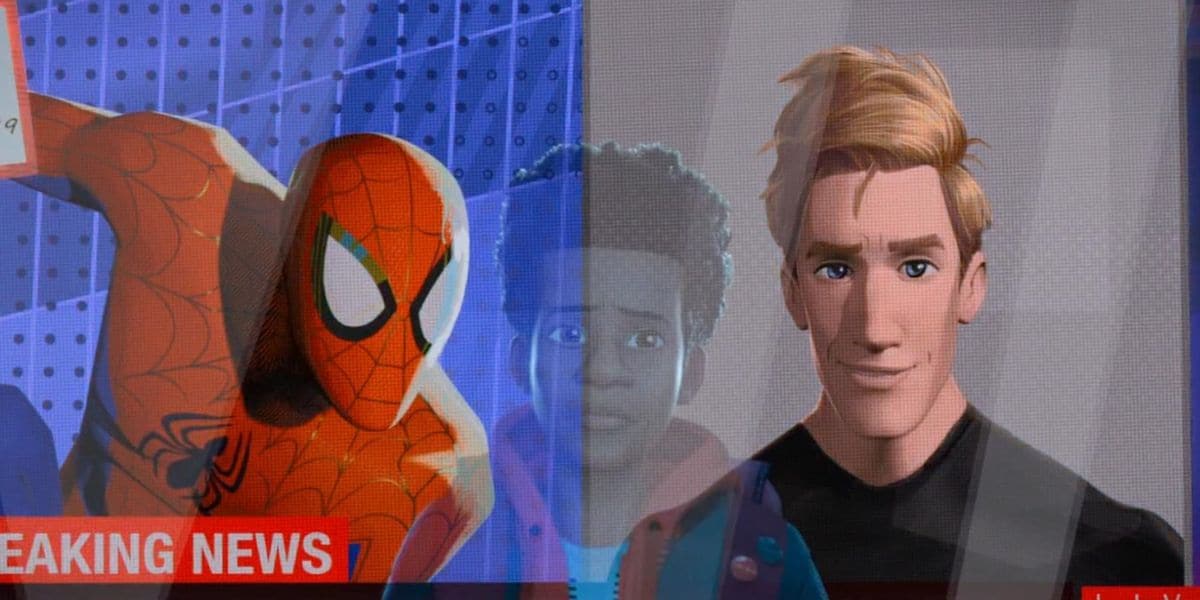
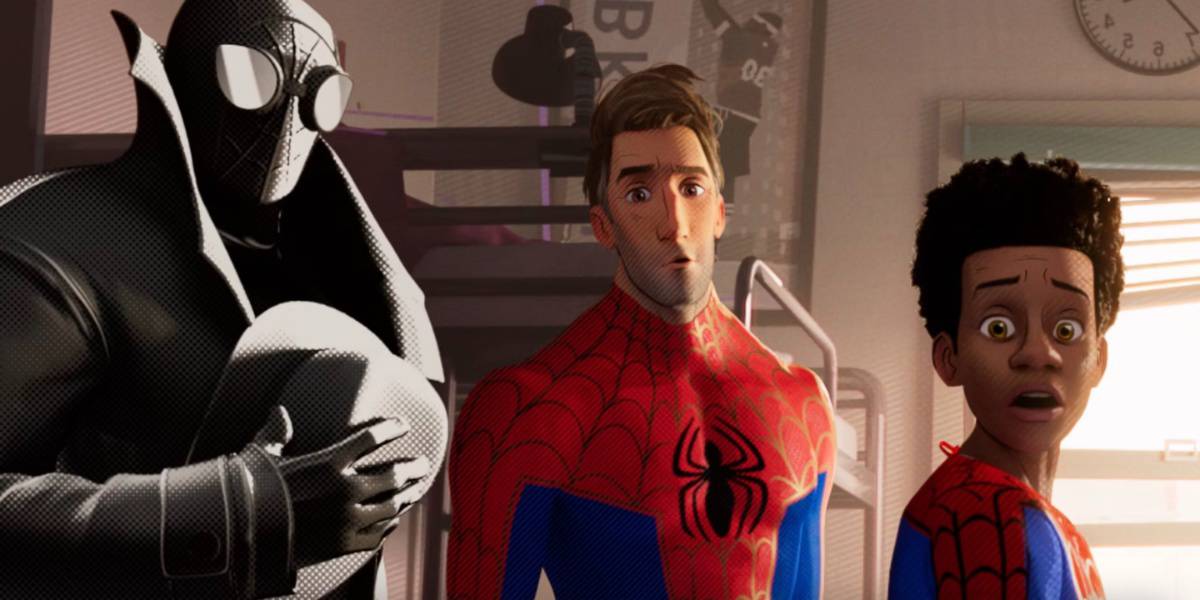
Jake Johnson, who voices Peter B. Parker in the Spider-Verse films, recently shared that he has officially begun recording for the upcoming third movie. That’s a noticeable shift from earlier comments, where he indicated he hadn’t yet been involved in the process.
Now, he’s not only back—he’s already seen portions of what’s being created.
And according to him, what he’s seen so far looks incredibly promising.
That kind of update might seem small on the surface, but it tells us something important. Despite delays and shifting timelines, the project is still very much alive—and actively moving forward.
What We Know So Far
As more details come into focus, one thing is becoming clear: Sony is bringing back a stacked lineup for this final installment.
Shameik Moore will return as Miles Morales, alongside Hailee Steinfeld as Gwen Stacy, and Jake Johnson reprising his role as Peter B. Parker.
But that’s just the start.
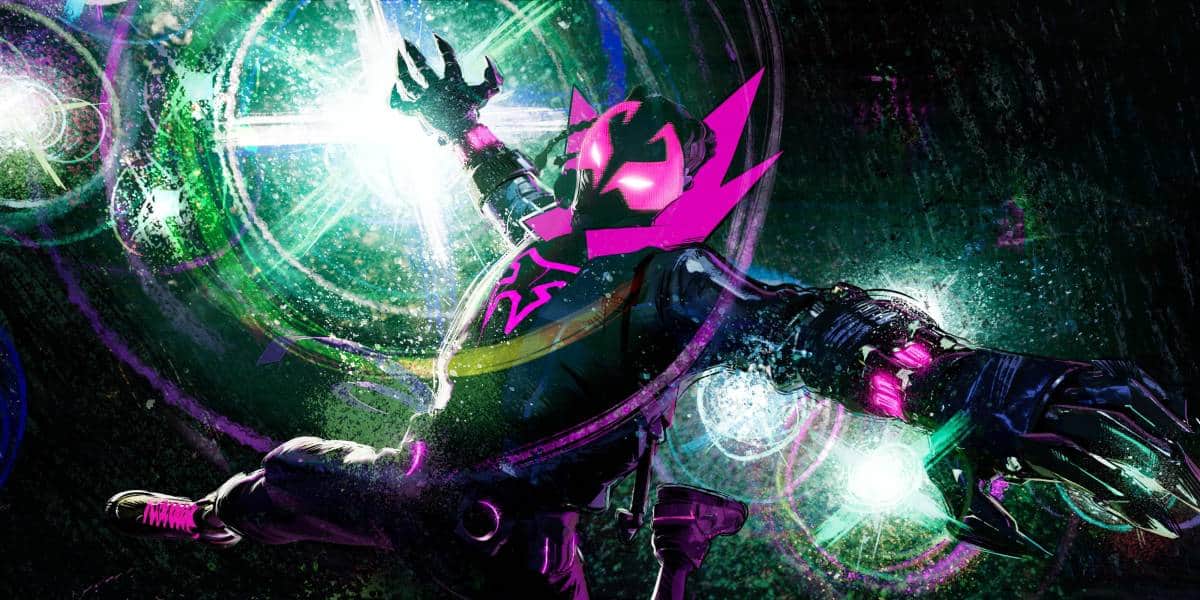
Jason Schwartzman is set to return as The Spot, with Daniel Kaluuya back as Spider-Punk. Karan Soni continues as Spider-Man India, while Oscar Isaac returns as Miguel O’Hara.
And then there’s Nicolas Cage, whose Spider-Man Noir remains one of the most talked-about variants in the entire franchise.
That character, in particular, is about to step into an even bigger spotlight. A live-action Spider-Noir series is on the way, set to debut on Prime in late May 2026.
So even as one chapter prepares to close, another corner of the Spider-Man universe is quietly expanding.
What This Really Means Going Forward
When you step back and look at the bigger picture, this moment feels less like an ending—and more like a reset.
Sony is clearly reevaluating what works and what doesn’t.
The live-action spinoff approach hasn’t delivered consistent results. The animated Spider-Verse, on the other hand, has become one of the most successful and respected parts of the entire superhero genre.
And now, with the Miles Morales story heading toward a defined conclusion, Sony has an opportunity to reshape its strategy entirely.
That doesn’t mean stepping away from Spider-Man. If anything, it suggests the opposite.
It means focusing on the versions of these stories that actually connect with audiences—and building from there.
The cancellation of one franchise might feel like a loss at first glance. But when you pair it with everything else happening behind the scenes, it starts to look more like a turning point.
One chapter is ending.
Another is already beginning.
And if Sony plays this right, the next era of Spider-Man could end up being its most focused—and most successful—yet.