Credit: Six Flags Entertainment
Six Flags is looking to overhaul 10 of its most profitable theme parks nationwide with a major announcement today.

Is Six Flags Finally Gearing Up for Some Major Overhauls?
For decades, theme park fans have come to expect consistency—familiar rides, familiar traditions, and leadership teams that quietly guide the magic behind the scenes. But every so often, something shifts beneath the surface. And when it does, guests feel it.
Across the Six Flags chain, longtime visitors have grown used to a system that seemed increasingly corporate in recent years. Decisions felt broader, more centralized—sometimes distant from the parks themselves. Still, most guests never saw the full picture. They simply experienced the results: new attractions, operational changes, and evolving park identities.
Now, something is changing again. And fans are starting to notice.
A Familiar Structure Returns—Why Is Six Flags Bringing Park Presidents Back Now?
In a move that feels both strategic and symbolic, Six Flags has announced the return of park presidents at 10 of its most prominent locations. The decision comes less than a year after the company eliminated those same roles in favor of a regional operating model.
- Raffi Kaprelyan — Knott’s Berry Farm
- Colleen Brady — Cedar Point
- Tony Carovillano — Kings Island
- Christopher Mortensen — Canada’s Wonderland
- John Krajnak — Six Flags Great America
- Mike Fehnel — Six Flags Great Adventure
- Richard Pretlow — Six Flags Over Georgia
- Pete Carmichael — Six Flags Over Texas
- Bridgette Bywater — Carowinds
At the time, the shift was part of a larger restructuring effort following the $8 billion merger between Six Flags and Cedar Fair. The goal was clear: streamline operations, cut costs, and centralize decision-making across North America.
But now, leadership is reversing course—at least in part.
“These changes are about putting leadership, expertise and accountability as close to our guests and team members as possible,” said CEO John Reilly.
Fans are noticing the tone shift. It’s not just about structure—it’s about proximity. About bringing decision-makers back into the parks themselves.

Some Leaders Are Returning Home—Does That Signal a Deeper Reset?
Many of the newly appointed presidents aren’t new at all. In fact, several are returning to roles they’ve held before, including Raffi Kaprelyan at Knott’s Berry Farm and John Krajnak at Six Flags Great America.
Others are stepping into expanded roles at parks they already know well, like Colleen Brady at Cedar Point and Tony Carovillano at Kings Island.
Guests are already reacting to the familiarity. Leadership continuity can bring stability—but it can also hint at something more intentional. A recalibration.
When companies bring back experienced leaders, it often signals a desire to refine—not just maintain—the current direction.
Fans Are Noticing a Pattern—Are Six Flags’ Biggest Parks Being Prioritized?
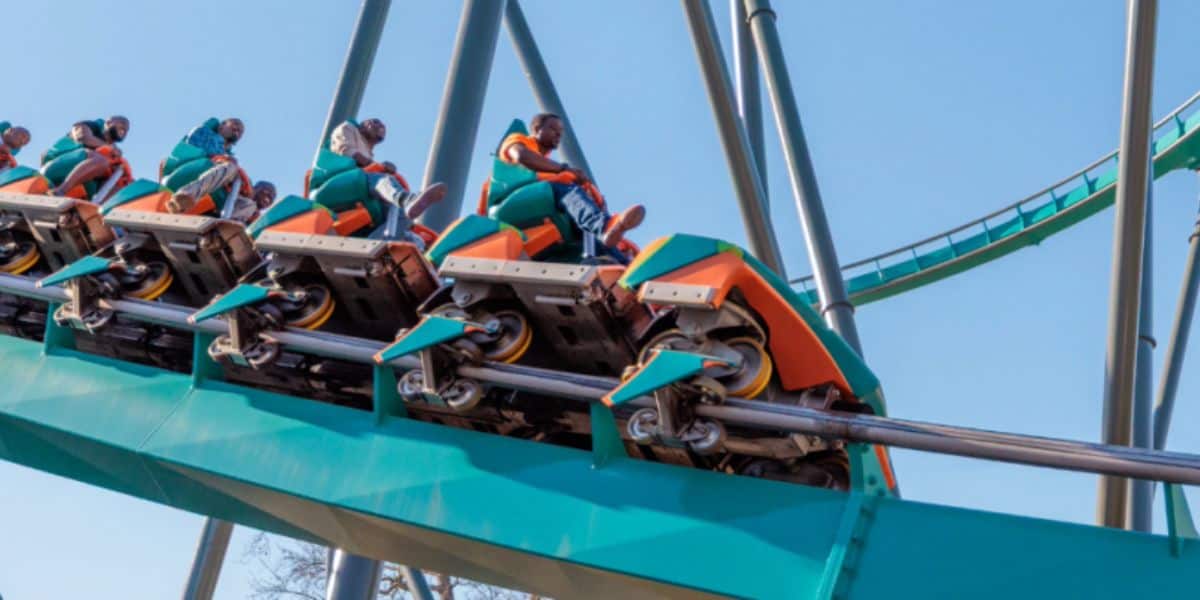
The parks receiving presidents aren’t random. They represent some of the most visited, most profitable, and most recognizable destinations in the Six Flags portfolio.
Locations like Six Flags Magic Mountain, Six Flags Great Adventure, and Carowinds are key players in the company’s future.
Meanwhile, nine smaller parks will continue operating without dedicated presidents, relying instead on local managers and regional oversight.
That contrast hasn’t gone unnoticed.
To fans, it raises an important question: Is Six Flags doubling down on its flagship parks while quietly shifting focus away from smaller markets?

A Surprising Divide Emerges—What Happens to the Parks Left Behind?
While major parks gain direct leadership, others remain in a more centralized system. Some, like California’s Great America, face an even more uncertain future, with closure expected in the coming years as its land lease expires.
At the same time, Six Flags has already begun trimming its portfolio. Earlier this year, the company sold several smaller properties, helping form a new regional chain under Enchanted Parks.
Guests are already reacting to what feels like a split strategy: invest heavily in top-tier parks while gradually scaling back elsewhere.
It’s a move that could reshape the entire Six Flags identity.
This Isn’t Just Leadership—It Could Be the Start of a Larger Transformation
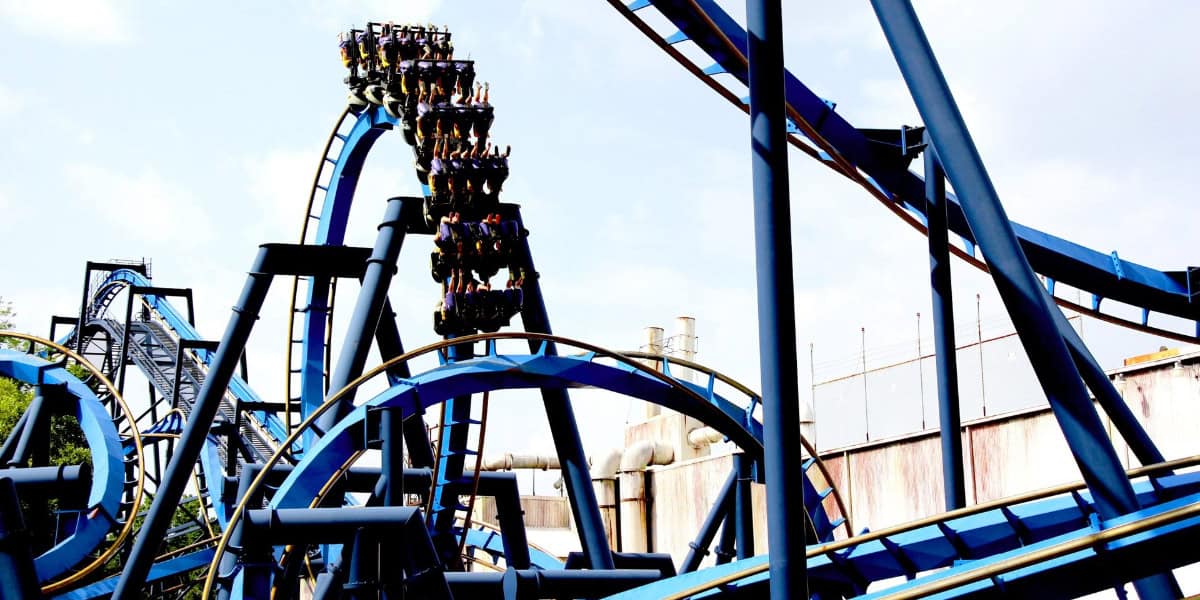
Reintroducing park presidents isn’t just about titles. It changes how decisions are made, how quickly innovations can happen, and how closely leadership connects with guests on the ground.
Fans are noticing the potential upside. With leaders embedded directly in parks, there’s an opportunity for faster improvements, more localized creativity, and experiences that feel tailored rather than standardized.
But there’s also uncertainty.
Will this lead to bigger investments in rides and attractions at flagship parks? Could it mean more distinct identities between locations? Or will it create an even wider gap between Six Flags’ top-tier parks and the rest?

Guests Are Already Reacting—What Could This Mean for Your Next Visit?
For visitors, the impact may not be immediate—but it could be significant over time.
A stronger on-site leadership presence often leads to better operations, more responsive guest services, and a clearer vision for each park’s future. That’s the optimistic view—and one many fans are holding onto.
At the same time, the broader strategy raises questions about long-term priorities. As Six Flags continues evolving after its merger, every decision carries weight.
What’s clear is this: something is shifting again.
And for guests planning their next visit, the experience they walk into a year from now may feel very different from the one they remember today.