
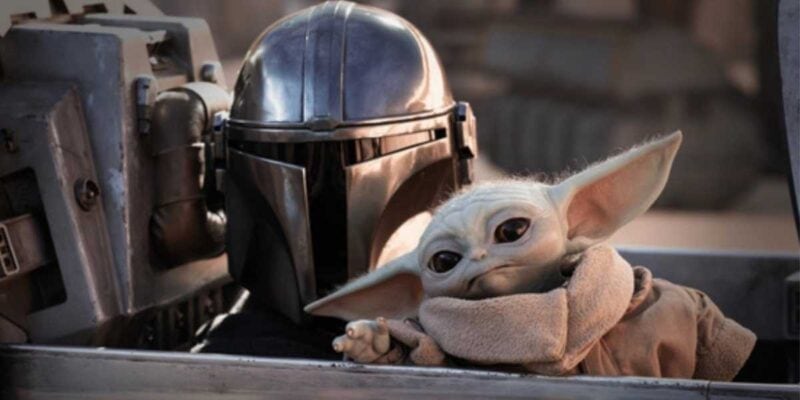
 Credit: Lucasfilm
There’s a shift happening at Lucasfilm, and longtime fans are starting to pick up on it—even if they can’t quite put their finger on why just yet. It’s not something being loudly announced or marketed as a dramatic reinvention. Instead, it’s unfolding quietly, tucked inside a new release that, on the surface, might seem like just another addition to the ever-growing catalog.
But once you look closer, it becomes clear that this isn’t business as usual.
The tone feels different. The structure feels different. Even the way the story is being told hints at something that pushes beyond what Star Wars has traditionally been known for. And while change isn’t new for the franchise, this particular move suggests Lucasfilm may be stepping away from one of its most recognizable storytelling identities.
You wouldn’t necessarily expect it at first. But once you see it, it’s hard to ignore.
What Fans Have Always Loved About Star Wars
For decades, Star Wars has thrived on a very specific kind of storytelling. At its core, it’s always been about larger-than-life conflicts—good versus evil, light versus dark, Jedi versus Sith. Whether you’re watching the original trilogy or the prequels, there’s a clear sense of mythic scale that defines the experience.
That’s what keeps fans coming back.
It’s not just the lightsaber battles or the iconic characters—it’s the feeling that everything matters on a galactic level. Every decision carries weight. Every conflict shapes the fate of entire systems. Even when the story zooms in on individual characters, it still ties back to something bigger.
That identity has remained consistent across films, animated series, and even newer projects. It’s part of what makes Star Wars feel like Star Wars.
And that’s exactly why this new direction stands out so much.
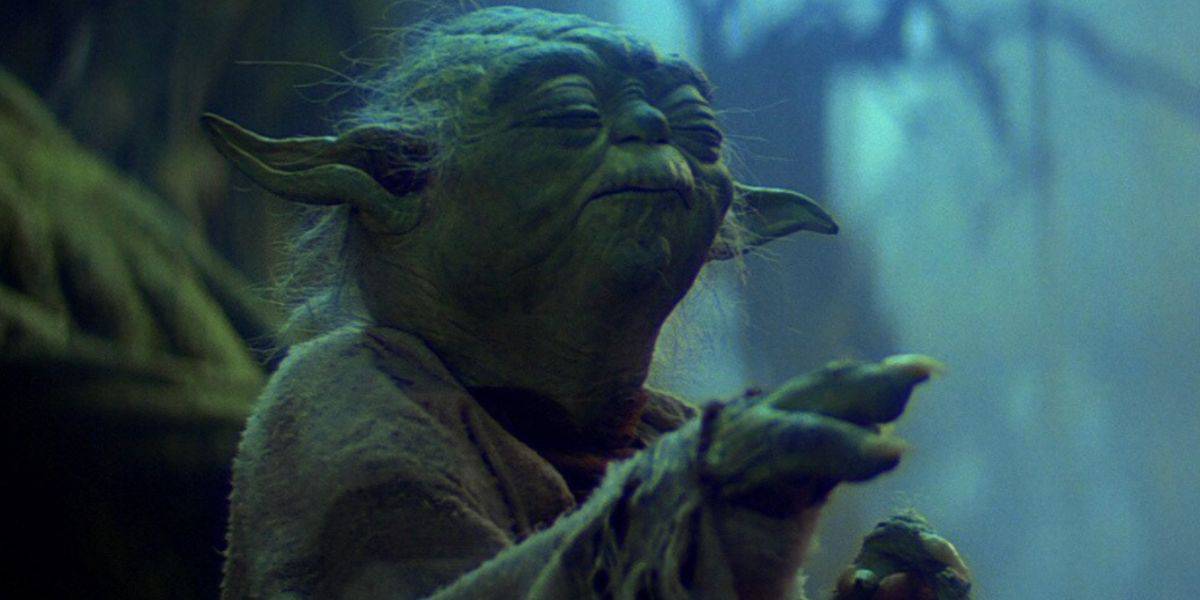
Disney+ Helped Expand the Galaxy
When Disney+ entered the picture, it gave Lucasfilm an entirely new playground to explore. Instead of being limited to theatrical releases, the franchise suddenly had room to tell more focused, character-driven stories.
Shows like The Mandalorian and Ahsoka proved that Star Wars could succeed on the small screen without losing its cinematic feel. They expanded the universe while still staying rooted in the familiar themes fans expect.
Even when these series introduced new characters or settings, they maintained that same sense of scale. The stakes still felt significant. The storytelling still leaned into the epic nature of the galaxy.
But as Disney+ continues to grow, Lucasfilm is clearly becoming more willing to experiment—and not all of those experiments look like traditional Star Wars anymore.

A New Show Is About to Test the Waters
Now, with a brand-new series arriving in just a matter of days, Lucasfilm is taking a noticeable step into unfamiliar territory.
At first glance, it might seem like another safe addition. After all, it centers around a well-known character—someone deeply tied to the franchise’s past. But the way this story unfolds is where things start to feel different.
This isn’t just another tale of Jedi and Sith clashing across the galaxy.
Instead, it leans into something more grounded. More localized. More focused on the day-to-day conflicts that exist beneath the surface of the larger Star Wars universe.
And for some fans, that shift is exciting.
For others, it raises questions.

Darth Maul Returns With a Twist
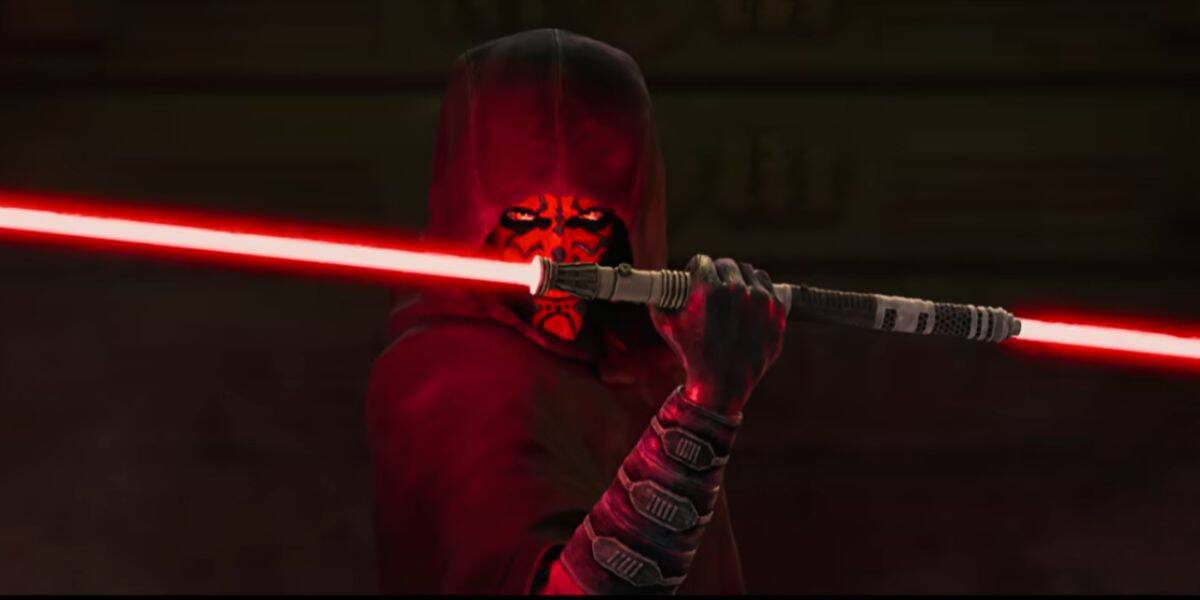
The upcoming animated series Star Wars: Maul – Shadow Lord is set to debut on Disney+ on April 6, bringing back one of the franchise’s most recognizable villains. The story continues Darth Maul’s journey following the events of The Clone Wars, diving deeper into his role within the galaxy’s criminal underworld.
But while Maul himself isn’t new, the way his story is being told absolutely is.
This series still carries the futuristic, sci-fi DNA that defines Star Wars, but it emphasizes a cyberpunk-inspired setting. Instead of focusing on massive battles between opposing forces, it narrows its scope to a more street-level perspective.
That alone would be a notable change.
But what really sets this series apart is the genre it’s embracing.
Rather than centering on the usual Jedi-versus-Sith dynamic, the show introduces a “cops-and-robbers” style narrative. It follows the tension between Maul and the authorities pursuing him, including characters like Brander Lawson and Two-Boots.
That kind of storytelling—focused on crime, pursuit, and law enforcement—is something Star Wars has rarely explored in such a direct way.
And according to the creative team behind the show, that’s entirely intentional. This approach opens the door to a different kind of tension—one that doesn’t rely on galaxy-wide stakes, but instead thrives on more contained, character-driven conflicts.
It’s a bold move.
A Genre Shift That Changes Everything
What makes Maul – Shadow Lord stand out even more is how it’s officially being categorized. Alongside its expected labels like action, adventure, animation, and science fiction, the series also carries a crime designation.
That might not sound like a big deal at first, but it actually marks a significant departure from previous animated Star Wars projects.
Shows like The Clone Wars, Rebels, and The Bad Batch all stayed firmly within the franchise’s traditional genre framework. They told expansive stories rooted in war, rebellion, and the Force.
This new series adds something different to the mix.
By leaning into crime storytelling, Lucasfilm is shifting the focus toward smaller-scale conflicts—ones that don’t necessarily revolve around the fate of the galaxy, but still carry their own weight. It’s a more grounded approach, even within a world filled with lightsabers and hyperspace travel.
The show also brings in a strong voice cast, including Sam Witwer returning as Darth Maul, alongside Wagner Moura, Richard Ayoade, and Gideon Adlon. Combined with its distinct animation style, it’s clear that Lucasfilm is treating this as something separate from its usual formula.
Not a replacement—but definitely an evolution.

What This Means for Star Wars Moving Forward
So, is Lucasfilm really abandoning its longstanding identity?
Not entirely—but it’s definitely stretching it.
Star Wars has always been about balance, both within its stories and in how those stories are told. What we’re seeing now is a willingness to explore corners of the galaxy that haven’t received this level of attention before.
That comes with risks.
Some fans may feel that moving away from the franchise’s traditional themes could dilute what makes it special. Others may welcome the change, seeing it as a necessary step to keep the universe fresh.
Either way, Maul – Shadow Lord represents something important: a test of how far Star Wars can evolve while still feeling like itself.
And depending on how audiences respond, this might just be the beginning of a much larger shift.
Because if this works, Lucasfilm won’t stop here.