Credit: Inside the Magic
The Florida Department of Agriculture and Consumer Services has released its injury report for Walt Disney World Resort, and the findings are quite shocking.
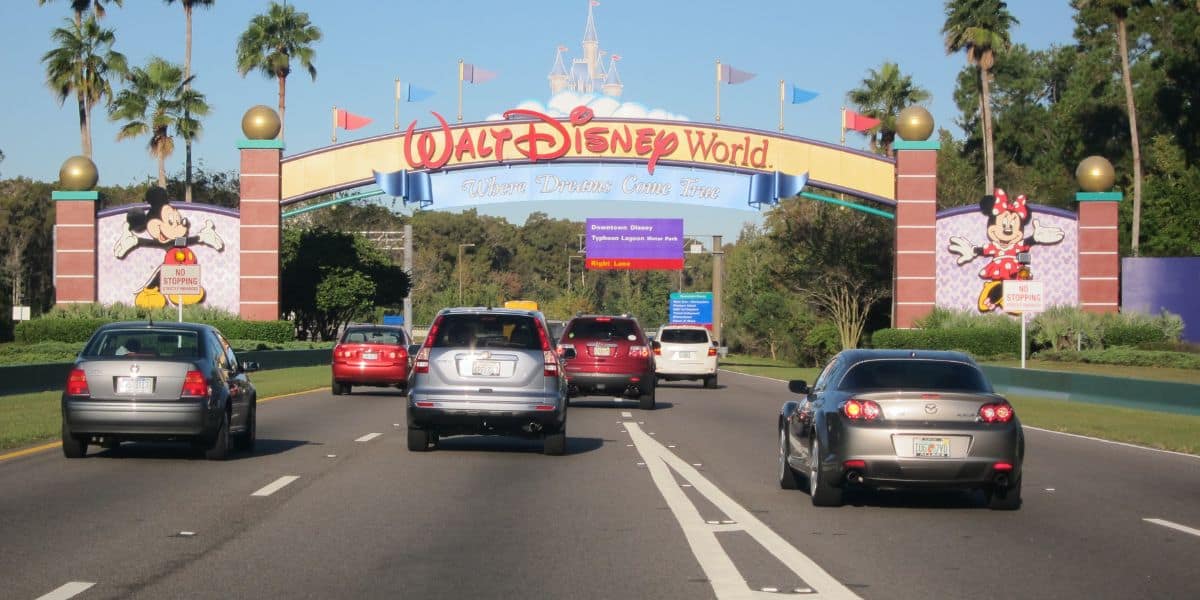
The New Injury Report for Disney World Is Out: What Does It Say About the Safety of the Parks?
For decades, stepping into Walt Disney World has meant more than just rides and nostalgia—it’s meant trust. Families return year after year, not just because of beloved attractions, but because there’s an unspoken confidence that the experience will be safe.
That trust wasn’t built overnight. It dates back to the earliest days when Florida officials worked closely with The Walt Disney Company to bring the parks to life, offering incentives under the assumption that Disney would operate at a higher standard. For generations of guests, that belief has held strong.
But every so often, something surfaces that forces fans to pause and take a closer look. A new report, quietly released and easy to overlook, is now sparking conversation—and for many, it’s raising more questions than answers.

Why Does Florida Track Theme Park Injuries so Closely—and What Does It Reveal?
Behind the magic, there’s a legal framework designed to keep guests safe. The Florida Department of Agriculture and Consumer Services requires theme parks to report any incident where a guest seeks medical treatment.
This mandate stems from Florida Statute 616.242, a regulation that ensures accountability across all major attractions. The rule is straightforward: if something happens, parks must report it quickly—within hours—and follow up with documentation.
On paper, it’s a system designed to protect millions of visitors. In reality, though, fans are noticing that the system relies heavily on self-reporting. That means parks themselves determine how incidents are categorized and described—something that has sparked debate over the years.
Guests are already reacting to this nuance, especially when certain reports from non-Disney parks have drawn criticism for downplaying serious injuries.
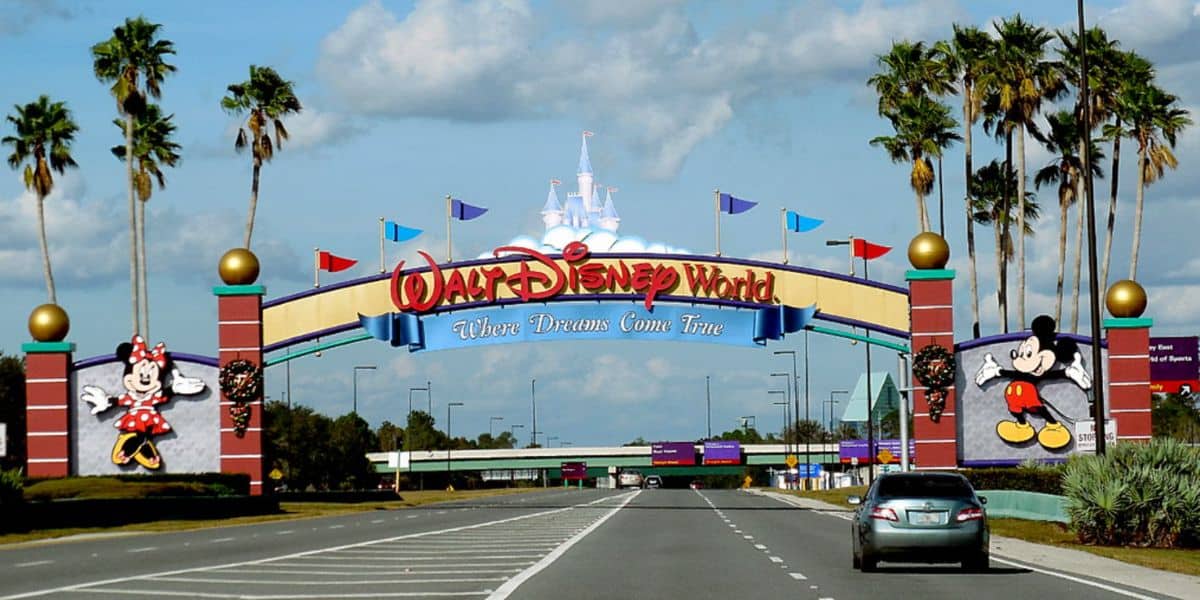
Are All Theme Parks Being Equally Transparent With Their Safety Reports?
This is where the conversation becomes more complicated—and more concerning for some fans.
Over time, critics have pointed out inconsistencies in how incidents are described across different parks. In one widely discussed example outside Disney, an injury reportedly labeled as “back pain” was later revealed to involve far more serious complications.
Fans are noticing the gap, and it’s fueling a larger question: Are all parks playing by the same standards, even if they’re following the same law?
That’s why each quarterly report matters. It’s not just about numbers—it’s about trust, clarity, and how seriously each operator treats guest safety.
And this latest report? It’s bringing that contrast into sharper focus than ever.

What Did Disney World’s Latest Injury Report Actually Show?
A surprising change in the latest quarterly data is how little there is to report from Disney.
Between January and March 2026, Walt Disney World recorded just two incidents requiring medical attention:
- On February 2, a 65-year-old guest fell while exiting Prince Charming Regal Carrousel, resulting in a pelvic injury.
- On February 17, a 40-year-old guest with a pre-existing condition experienced a shoulder injury on Kali River Rapids.
That’s it.
For a resort that welcomes millions of guests in a single quarter, the number is strikingly low. Fans are already reacting to the data, with many pointing to it as evidence that Disney continues to prioritize safety at a level few others match.
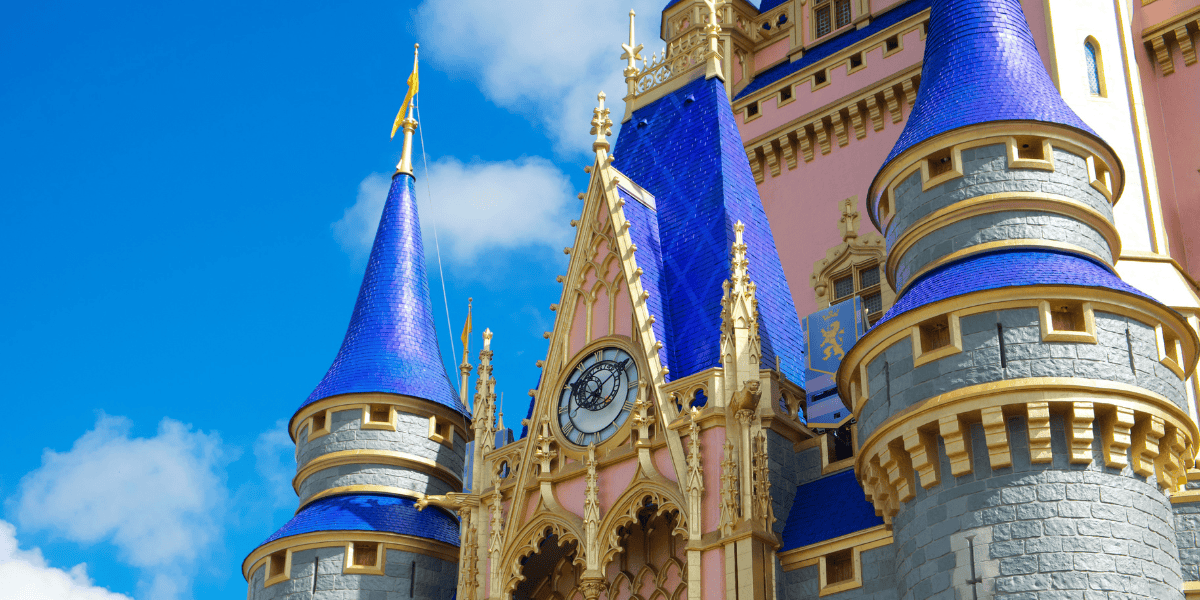
How Does This Compare to Other Major Parks Like Universal?
While Disney’s numbers remained minimal, the same report painted a very different picture for parks like Universal Studios Florida.
Though exact figures vary by incident, the contrast is enough that fans are noticing—and talking about it.
This isn’t just about competition between theme park giants. It’s about perception. When one resort reports only a handful of relatively minor incidents, and another reports more frequent or more severe cases, it shapes how guests feel about where they spend their time and money.
A surprising shift in public conversation is emerging as a result. Safety—once an assumed baseline—is becoming part of the decision-making process for guests planning their vacations.

What Does This Mean for Guests Planning Their Next Visit?
For most visitors, the takeaway is reassuring—but also eye-opening.
Disney’s consistently low incident numbers reinforce its long-standing reputation as the gold standard in theme park safety. At the same time, the broader report highlights why oversight and transparency matter across the entire industry.
Guests are already reacting by paying closer attention, asking more questions, and factoring safety into their travel plans in ways they may not have before.
Looking ahead, this could shape how theme parks communicate with their audiences. Increased scrutiny may push operators to be more transparent, more proactive, and more accountable than ever.
Because in a place built on magic, trust isn’t optional—it’s everything.