

 Credit: H. Michael Miley, Flickr
Walt Disney World is often referred to as a “bubble”—a place where the outside world ceases to exist, and magic takes over. However, there is one element of the real world that doesn’t stop at the park gates: Florida’s native wildlife. As we move into April 2026, a new report from WDW Active Crime highlights a surge in alligator activity across Central Florida. With alligator mating season officially kicking off, guests at the Most Magical Place on Earth need to remain vigilant.

While Disney goes to extreme lengths to ensure guest safety, the biological imperatives of Florida’s apex predators don’t follow theme park schedules. Here is everything you need to know about alligator mating season, why activity is increasing around Disney waterways, and how to stay safe during your spring vacation.
The Science of the Season: Why Alligators are More Active Now
According to the Florida Fish and Wildlife Conservation Commission (FWC), alligator courtship begins in April, with actual mating occurring in May and June. This window is a period of high intensity for the reptiles for two main reasons: temperature and hormones.
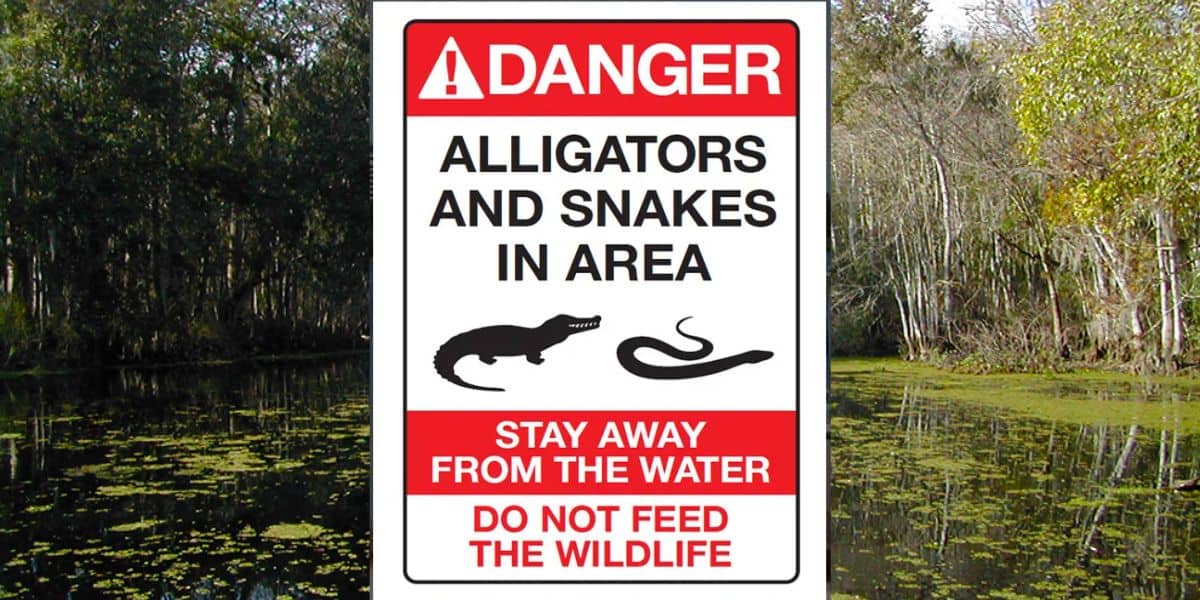
As cold-blooded animals, alligators’ metabolisms are dictated by the sun. As Florida temperatures climb into the 80s and 90s in the spring, alligators become significantly more active. They need to eat more to sustain their energy and, more importantly, find mates.
During this time, male alligators become highly territorial and often wander far from their usual homes in search of females. This means an alligator might appear in a body of water where one hasn’t been seen in months—including the ornamental ponds, canals, and lagoons scattered throughout the Disney Resort.
Where to Be Alert: Alligator Hotspots at Disney World
It is a common misconception that alligators live only in large bodies of water, such as the Seven Seas Lagoon (the water between the Transportation and Ticket Center and Magic Kingdom) or Bay Lake. In reality, any body of water in Florida—no matter how small or manicured—can hold an alligator.
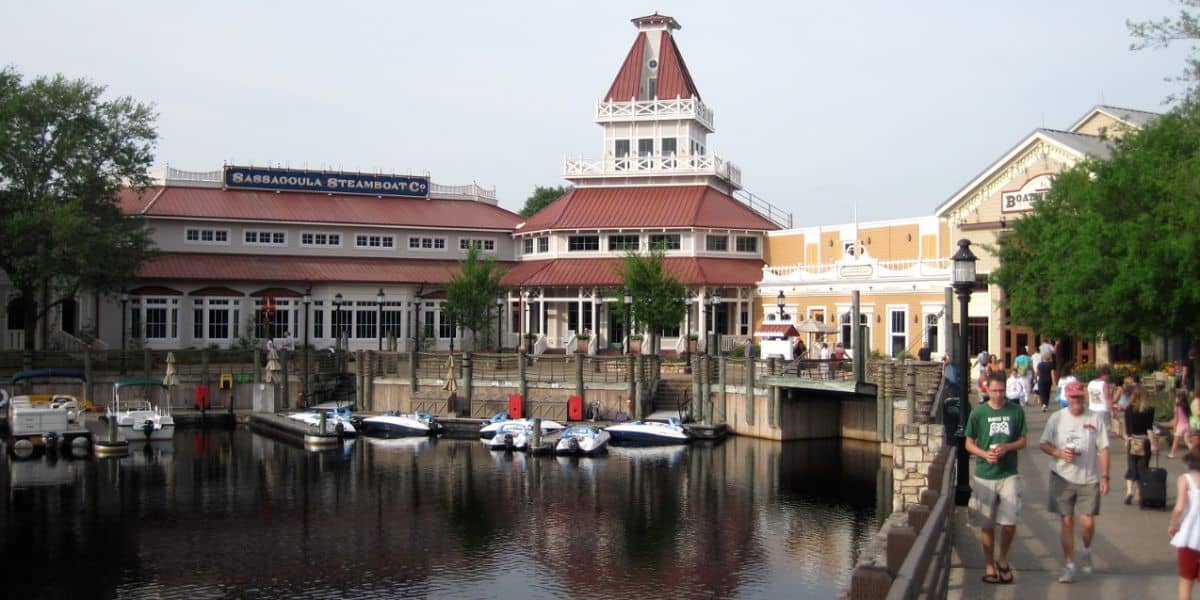
The Resort Canals
Resorts like Disney’s Port Orleans (Riverside and French Quarter), Disney’s Coronado Springs, and Disney’s Old Key West are built around intricate canal systems. These waterways are prime travel corridors for wandering males during mating season. Guests walking along the riverbanks or over bridges should keep a watchful eye on the water’s edge.
Fort Wilderness and Wilderness Lodge
Disney’s Fort Wilderness Resort & Campground is perhaps the most “natural” environment on property. With its heavy woods and proximity to Bay Lake, it is a frequent site for alligator sightings. During mating season, the smaller creeks that run through the campsites can see increased activity.

Retention Ponds and Golf Courses
Disney’s world-class golf courses are beautiful, but their water hazards are literal hazards when it comes to wildlife. Golfers are reminded to never reach into tall grass or near the water to retrieve a lost ball. Similarly, the small retention ponds found near parking lots and bus stops are frequently used by alligators as “rest stops” while they migrate between larger lakes.
Disney’s Proactive Safety Measures
Since the tragic incident at the Grand Californian in 2016, Disney has completely overhauled its approach to alligator management. The resort now works closer than ever with the FWC’s Statewide Nuisance Alligator Program (SNAP).
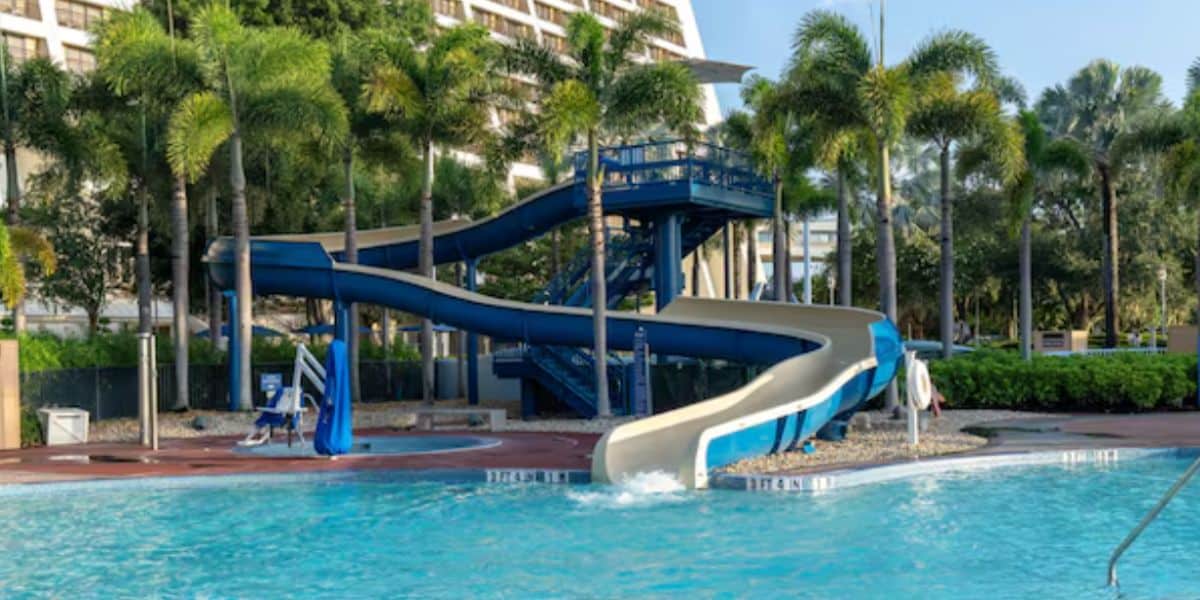
Physical Barriers
If you look closely at the shorelines of the Magic Kingdom resorts, you will notice reinforced rock barriers and fences. These were designed to act as a deterrent, making it much more difficult for an alligator to crawl out of the water onto guest-facing beaches easily.
Constant Monitoring
Disney employs a dedicated team of pest control and wildlife experts who monitor the property 24/7. When an alligator over four feet in length is spotted and deemed a “nuisance” (meaning it has lost its fear of humans or is in a high-traffic guest area), it is swiftly trapped and removed.
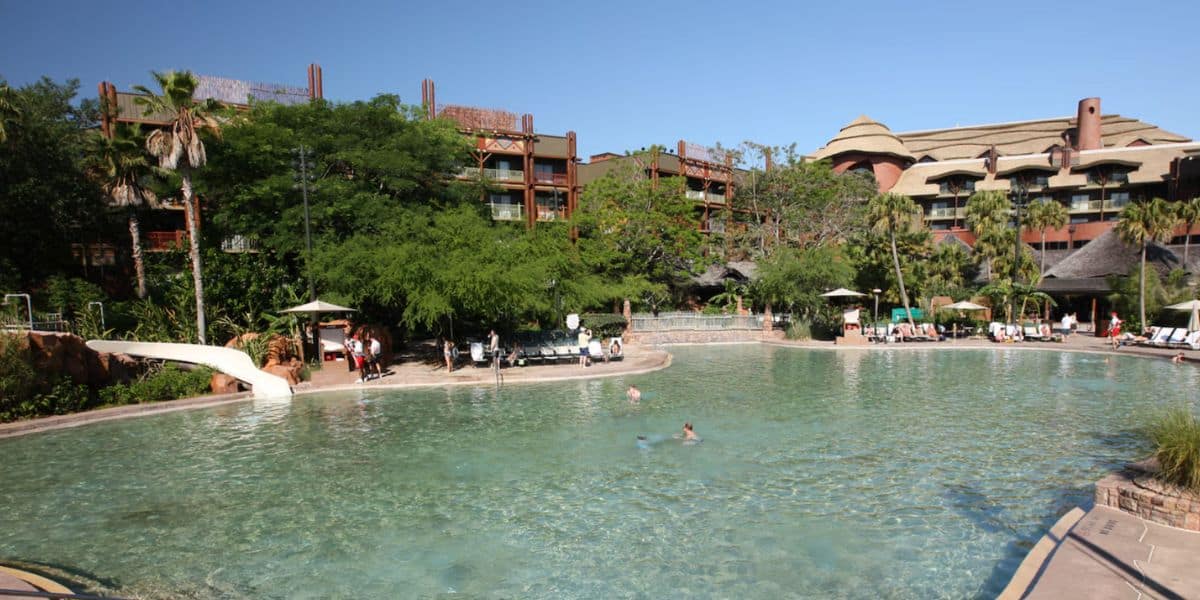
Signage and Education
“No Swimming” signs are posted at every body of water on Disney property. These aren’t just suggestions; they are critical safety warnings. During mating season, Disney often increases its internal communications to Cast Members, reminding them to report any sightings immediately.
Vital Safety Tips for Guests
While the risk of an unprovoked alligator encounter is low, it increases when guests become complacent. Here are the essential rules for staying safe during alligator mating season at Disney World:
1. Stay Away from the Water’s Edge
Alligators are ambush predators. They hunt by lurking just below the surface and lunging at prey on the shore. Keep a distance of at least 60 feet from any shoreline. If you are taking photos, use your zoom—don’t get closer for the “perfect shot.”

2. Be Extra Cautious at Dusk and Dawn
Alligators are most active during low-light hours. This coincides with when many guests are walking to the bus stops or returning to their rooms after a long day in the parks. Avoid walking near waterways during these times, as your visibility is reduced while the alligator’s predatory senses are heightened.
3. Never, Ever Feed the Wildlife
This is the most important rule. When humans feed alligators (or even birds and turtles near gators), the alligators begin to associate humans with an easy meal. Once an alligator loses its natural fear of people, it becomes a direct threat and must be euthanized. Feeding alligators in Florida is also a criminal offense.

4. Supervise Children and Pets
Children are small and move quickly, which can inadvertently trigger a predator’s hunting instinct. Always hold your child’s hand when walking near water and never let them play near the banks of a canal or pond. If you are staying at a dog-friendly Disney resort, keep your pet on a short leash and far away from the water.
What to Do If You See an Alligator
If you spot an alligator while at Disney World, do not panic, but do not ignore it.
- Do not approach it: Even if it looks like it’s “sunbathing” and stationary, alligators can move at speeds of up to 30 mph on land in short bursts.
- Notify a cast member: Find the nearest Disney employee and report the location. They will contact the proper authorities to assess whether the animal needs to be removed.
- Warn others: If you see other guests—especially those with small children—getting too close, politely remind them of the danger.
The Bottom Line
Alligators are an essential part of the Florida ecosystem and have lived in these waters long before the first brick of Cinderella Castle was laid. While they generally prefer to avoid humans, the biological “fever” of mating season changes the stakes.

By staying informed and respecting Florida’s wildlife boundaries, you can ensure your Disney vacation remains magical and, most importantly, safe. Keep your eyes on the horizon, but when you’re near the water, don’t forget to look down.