1
1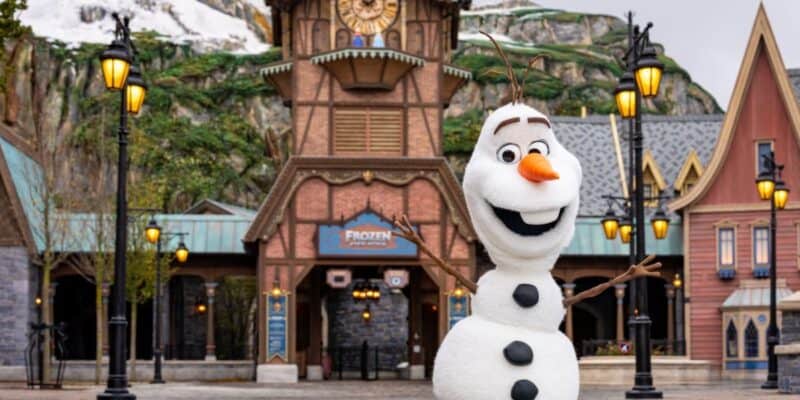
 Credit: Disney
Something new has been quietly taking shape at Disney parks, and if you’ve been paying attention, you can feel it starting to break through. Disney World has already begun rolling out technology that feels noticeably different from anything we’ve seen before. It’s not just about bigger rides or updated effects—it’s about bringing characters to life in a way that feels far more real.
At first, it didn’t seem like a major shift—just a small step. But now, it’s becoming clear that this wasn’t a one-off experiment. It was the beginning of something much bigger. And if that’s the case, then what we’ve seen so far may only be scratching the surface.
The Olaf Animatronic That Changed Everything
The moment that really turned heads happened over at Disneyland Paris, where Disney introduced a next-generation Olaf animatronic that immediately caught guests off guard—in the best way possible.
This wasn’t a traditional character meet-and-greet, and it wasn’t someone in a costume. Olaf is a fully robotic character that moves on its own. While he isn’t yet freely roaming the park, Disney has shown him walking independently and interacting with guests in controlled settings.
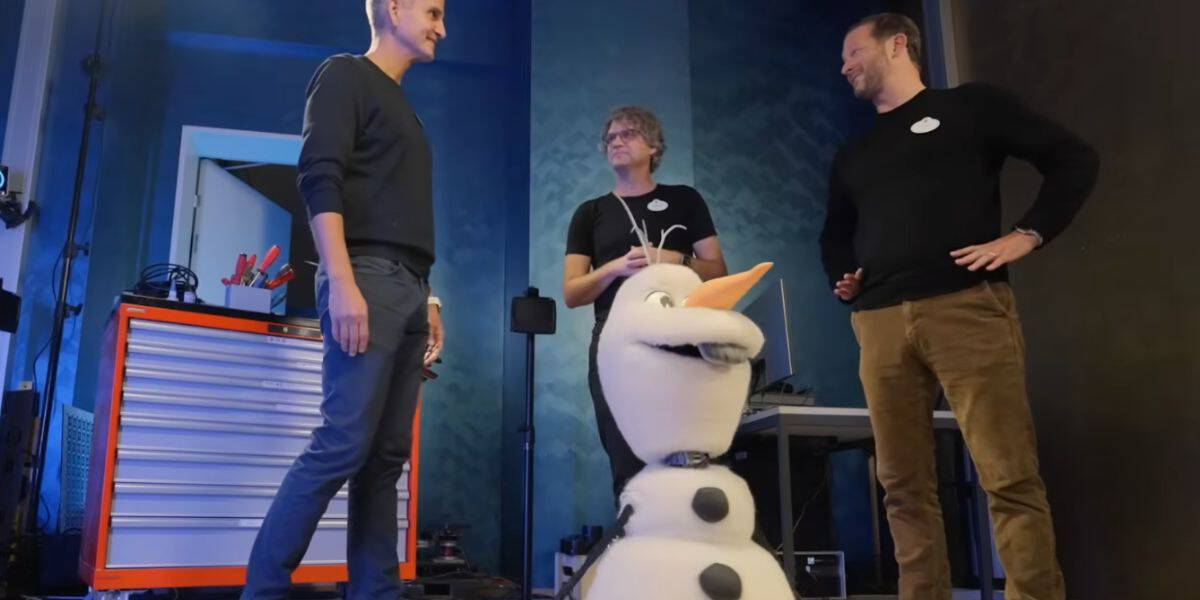
The technology behind it leans heavily on machine learning and advanced robotics, allowing Olaf to react to his surroundings in ways that feel far more natural than anything Disney has done before. He can look around, respond to nearby guests, and adjust his movements in real time, creating interactions that feel less scripted and more spontaneous.
Guests who have seen Olaf in action haven’t just taken photos—they’ve stopped to watch, trying to figure out how it all works. The way he moves and reacts feels incredibly lifelike, even within these early appearances.
That moment didn’t just impress fans—it hinted at where Disney could be heading next.
Disney World Quietly Levels Up Its Own Animatronics
While all eyes were on Paris, something equally interesting was happening back at Walt Disney World. The Frozen Ever After attraction received an update that introduced a new generation of animatronics, and the difference is hard to miss.
These characters don’t move like traditional animatronics. Instead, they flow. Their movements feel smooth and natural, almost like they stepped straight out of the film. Facial expressions shift more realistically, and the timing of each motion feels far more precise than older versions.
It’s the kind of upgrade you notice immediately, even if you can’t quite explain why. The characters simply look better. They feel more expressive. More believable.
And when you connect that advancement to what’s happening with Olaf in Paris, a bigger picture starts to form.
Disney Confirms a Global Expansion Is Coming
Disney has also started to give a clearer picture of what comes next—and it lines up with what many fans have been expecting.
Recent reporting and comments from Walt Disney Imagineering suggest that this next-generation Olaf isn’t limited to a single park. Disney has already introduced the character in both Paris and Hong Kong, and leadership has indicated that versions of this robotic Olaf are expected to appear at additional Disney destinations, including Disneyland and Walt Disney World.
That’s a big shift.
This isn’t just a one-off demonstration anymore. It points to Disney actively exploring how this kind of technology can scale across its parks worldwide. Rather than keeping it contained to one location, the goal appears to be broader deployment as the technology continues to develop.
In that sense, Olaf feels less like a standalone moment and more like an early step in a larger push toward more advanced, interactive character experiences.
And once you start looking at it that way, it opens the door to many possibilities.
If Olaf Was the Test… What Comes Next?
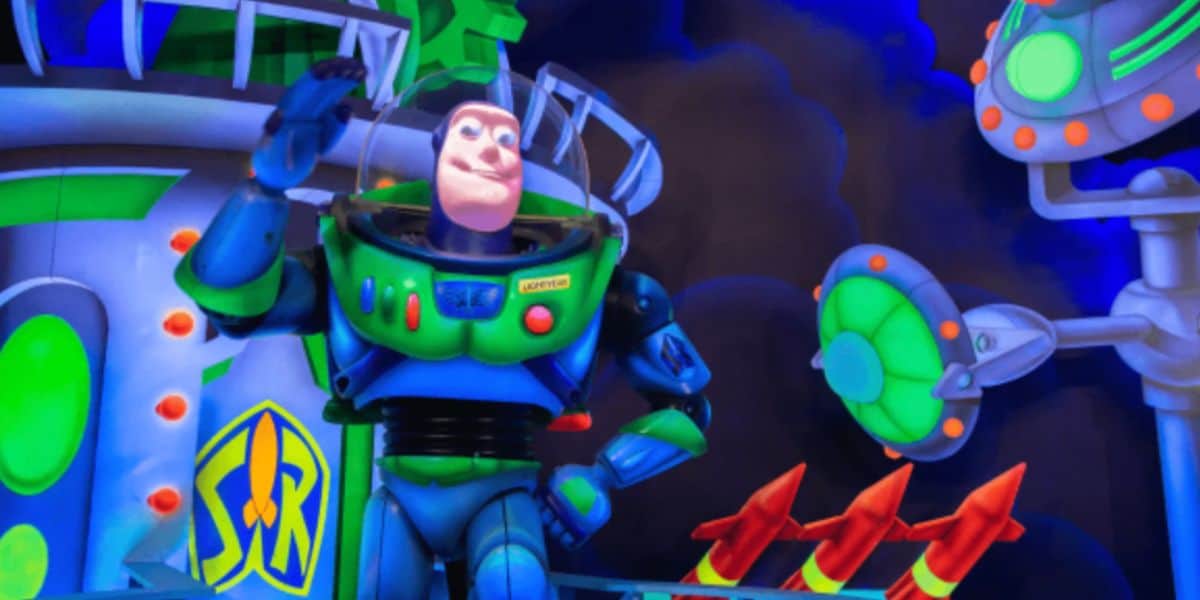
If Olaf was the first real step, then it’s safe to assume Disney is already thinking about what comes next. And honestly, the possibilities are wide open.
It’s not hard to imagine a roaming Baymax interacting with guests in Tomorrowland, especially in a park like Tokyo Disneyland, where that kind of innovation fits perfectly. Baymax already moves in a soft, robotic way in the films, which makes him a natural fit for this kind of technology.
Then there’s the idea of bringing characters like Lightning McQueen and Mater into a land like the upcoming Piston Peak area at Disney World. Instead of being stationary or limited to shows, they could actually roam, react, and interact with guests throughout the day.

Once you start going down that path, it quickly turns into a long list of characters that would work perfectly with this system:
- Stitch – Tomorrowland at Magic Kingdom, causing chaos and interacting with guests
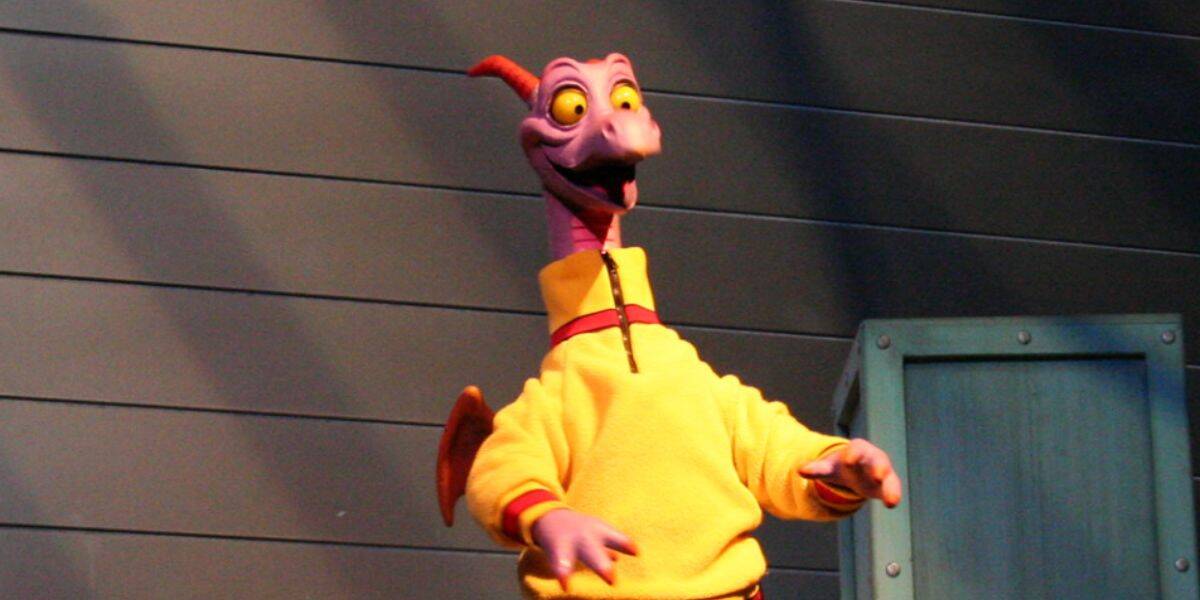
- Figment – EPCOT, popping up in unexpected places and sparking curiosity
- Mike Wazowski – Disney’s Hollywood Studios, cracking jokes as he roams
- Winnie the Pooh – Fantasyland, wandering gently through the area
- Kermit the Frog – Hollywood Studios or a future Muppets space, engaging with guests
- The Little Green Men (Toy Story) – Toy Story Land, reacting to guests with playful energy
- Joy or Sadness – EPCOT, especially within World Celebration or future expansions
Each one of these characters brings something different to the table. Some are comedic. Some are emotional. Some are just fun to watch exist in a real-world setting.
And that’s really what this technology is about. It’s not just about seeing characters—it’s about experiencing them in a way that feels spontaneous.
A New Era of Disney Parks Is Taking Shape
Disney has always focused on immersion, but this feels like a step into something deeper. When characters can move freely, respond naturally, and exist outside of structured experiences, the parks start to feel less like staged environments and more like living worlds.
That’s a big shift.
Instead of waiting in line to meet a character, you might just turn a corner and find them interacting with a crowd. Instead of posing for a quick photo, you might have a real moment—something that feels unscripted and unique.
And if Disney continues building on this technology, those moments could become a regular part of the park experience.
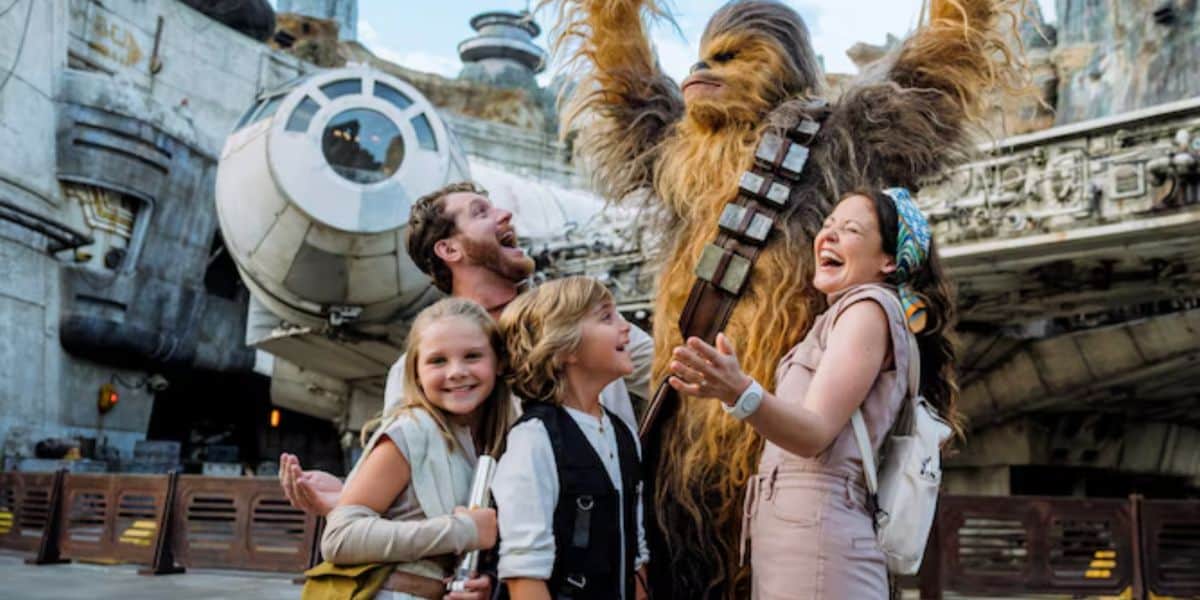
So… Who Would You Want to See?
If Disney really is moving toward a future filled with roaming, “living” characters, then this could be one of the most exciting changes the parks have seen in years.
It’s easy to imagine how much this could add to a day at Disney. The surprise. The interaction. The feeling that anything could happen at any moment. There are so many directions they could take this, but one question stands out above all: which character would you want to see brought to life like this?
Personally, I’d love to see Stitch roaming around! It just makes too much sense—and honestly, it would probably be chaos in the best possible way.