

 Credit: Inside The Magic
In the spring of 2026, the headlines across the financial world tell a story of profound irony. While the global economy shudders under the weight of persistent inflation, volatile markets, and the destabilizing shadow of the Iran-West conflict, The Walt Disney Company’s “Experiences” arm is reporting record-shattering numbers.

According to a recent Business Insider analysis, Disney is not just surviving the current economic downturn—it is thriving. But the “Magic” isn’t being distributed equally. By pivoting away from the traditional middle-class family and doubling down on “high-yield” luxury guests, Disney has effectively made its theme parks recession-proof.
Here is how the House of Mouse is engineering a massive boom during one of the most precarious economic eras in modern history.
The Pivot to “Yield Over Volume”
For decades, the metric for success at Disney Parks was simple: attendance. The goal was to pack as many bodies into the Magic Kingdom and Disneyland as possible. However, the 2026 fiscal year has confirmed a radical shift in strategy. Disney is no longer chasing the crowd; they are chasing the wallet.
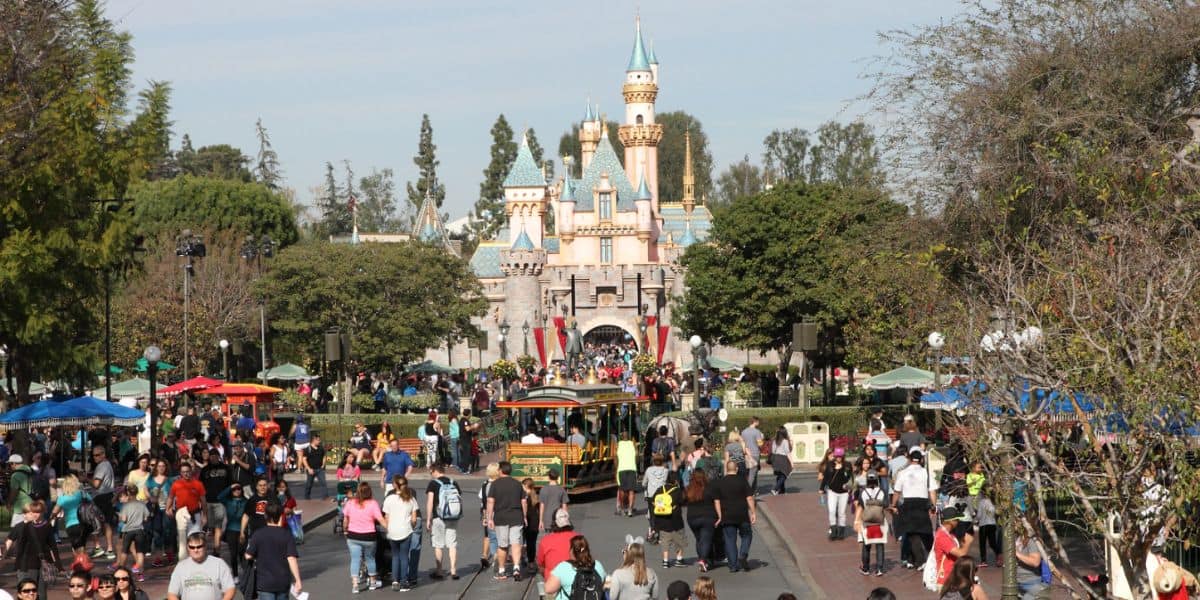
As the Business Insider report highlights, Disney’s Experiences segment—which encompasses its domestic and international parks, the Disney Cruise Line, and high-end vacation clubs—has seen revenue surge despite a cooling global economy. This is primarily due to a calculated “luxury pivot.”
Disney has realized that three guests spending $1,000 a day are more profitable than ten guests spending $100 a day. By raising ticket prices, implementing tiered “Lightning Lane Premier” passes, and increasing the cost of everything from blue milk to hotel suites, Disney has curated an environment where only the highest-spending demographic can comfortably play. This strategy reduces strain on park infrastructure and staffing while simultaneously driving profit margins to unprecedented heights.
Escapism in a Time of War: The “Disney Bubble” Effect
One of the most striking aspects of the 2026 boom is the geopolitical context. Business Insider references the ongoing tensions surrounding the Iran conflict. Historically, during times of war or international unrest, the travel industry sees a significant “flight to safety.”
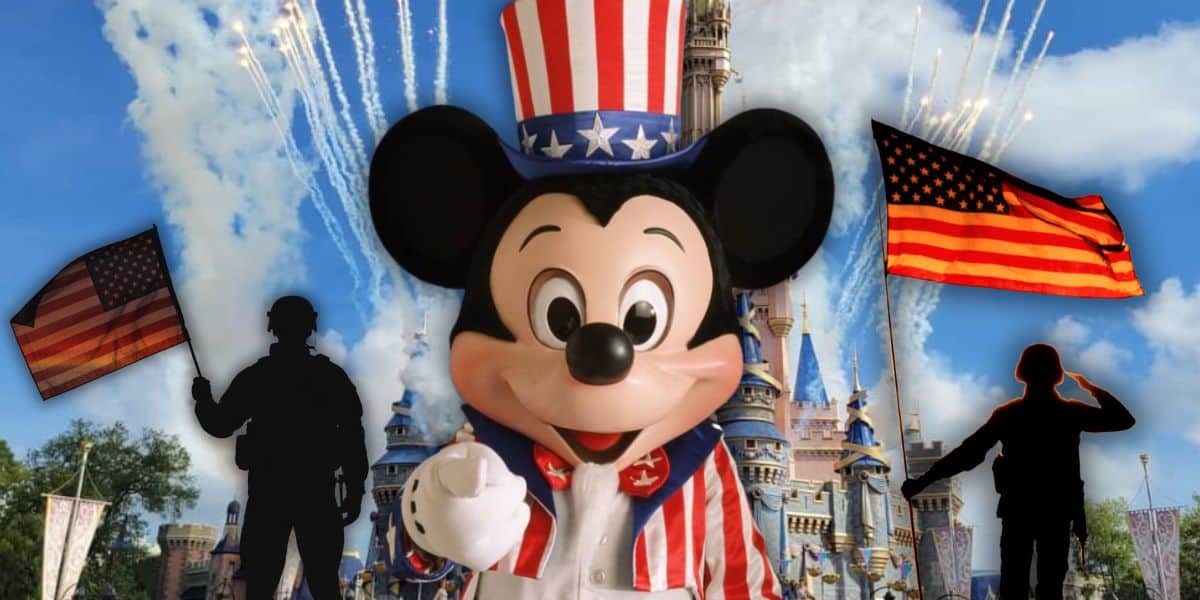
Disney Parks represent the ultimate “safety bubble.” In a world where energy crises and regional wars dominate news cycles, the manicured streets of Main Street, U.S.A., offer a form of psychological escapism in high demand. For luxury travelers, the cost of this escapism is a secondary concern. They are paying for the privilege of a world where the only “conflict” is between the First Order and the Resistance in Star Wars: Galaxy’s Edge.
This demand for escapism has allowed Disney to push price hikes that would have been unthinkable five years ago. When the world feels unstable, “Magic” becomes a premium commodity.
The International Rebound: Disneyland Paris and Beyond
While the domestic parks at Walt Disney World and Disneyland Resort remain the primary engines of growth, 2026 is seeing a massive rebound in international visit numbers. Following years of post-pandemic recovery and localized economic stalls, Disney’s international portfolio—Shanghai Disney Resort, Hong Kong Disneyland, and Disneyland Paris—is firing on all cylinders.

Disneyland Paris, in particular, has become a crown jewel for the Experiences arm. As European travelers seek high-end staycations amidst a weakened Euro, the French resort has successfully repositioned itself as a luxury destination. The completion of major expansions and the introduction of premium “Avengers Campus” experiences have drawn back international visitors who are spending more per capita than ever before.
Furthermore, the Asian market’s rebound has enabled Disney to capitalize on a burgeoning class of luxury travelers in China and Japan. These guests are not just buying a ticket; they are booking VIP tours, staying in signature suites, and purchasing limited-edition collectibles, further fueling the “Experience” boom.
The “Luxury Experience” Economy: VIP Tours and Premier Access
What does this “luxury pivot” look like on the ground? In 2026, the gap between the standard guest and the “high-yield” guest is wider than ever.

- VIP Tour Growth: Demand for private VIP tours—which can cost upwards of $900 per hour with a minimum of seven hours—has reached an all-time high. These tours allow wealthy families to bypass every line and receive personalized “concierge” service throughout the day.
- Lightning Lane Premier: Building on the evolution of Genie+, Disney’s 2026 iteration of line-skipping is a high-cost “Premier” tier. This allows guests to walk onto any attraction at any time for a single, high-dollar daily fee. For the luxury guest, time is more valuable than money.
- Signature Dining and Lodging: Disney’s recent investments in “Storyliving” and ultra-luxury hotel refurbishments (such as the transformation of the Grand Floridian into a modern Victorian palace) have ensured that the high-yield guest never has to leave the premium ecosystem.
Is the Average Fan Being Left Behind?
The Business Insider report paints a glowing picture for shareholders, but it raises a sobering question: Is Disney still for everyone?
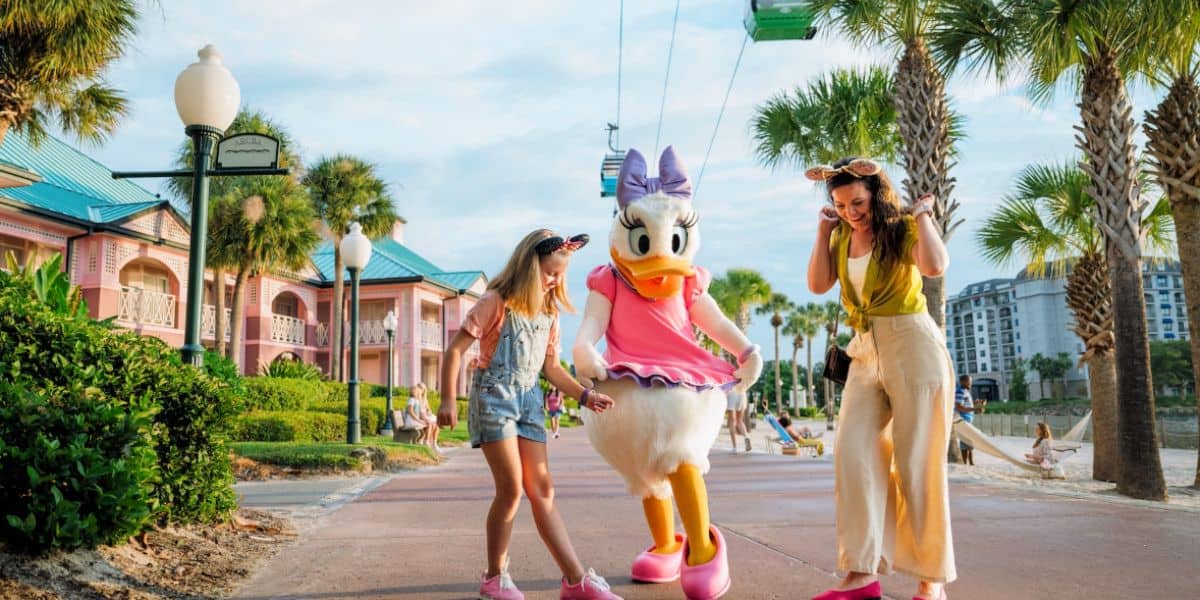
As Disney pivots to luxury, the “average” middle-class family is being priced into “once-in-a-lifetime” territory. What was once an annual or biennial tradition is now a trip that requires years of aggressive saving. Disney’s data, however, suggests that this isn’t hurting the bottom line. The “lost” attendance from middle-class families is being more than made up for by the increased spending of the top 10% of earners.
In the current struggling world economy, the middle class is feeling the pinch of housing costs and food inflation. Meanwhile, the upper-middle and upper classes—often shielded by asset ownership and high-level service wages—continue to travel. Disney has simply followed the money.
Conclusion: Mickey’s Golden 2026
As we look toward the remainder of the year, Disney’s Experiences arm is set to remain the most powerful driver of the company’s valuation. By leveraging its IP, the desire for escapism in an unstable world, and a ruthless focus on high-yield guests, Disney has turned the global economic struggle into its own personal boom.
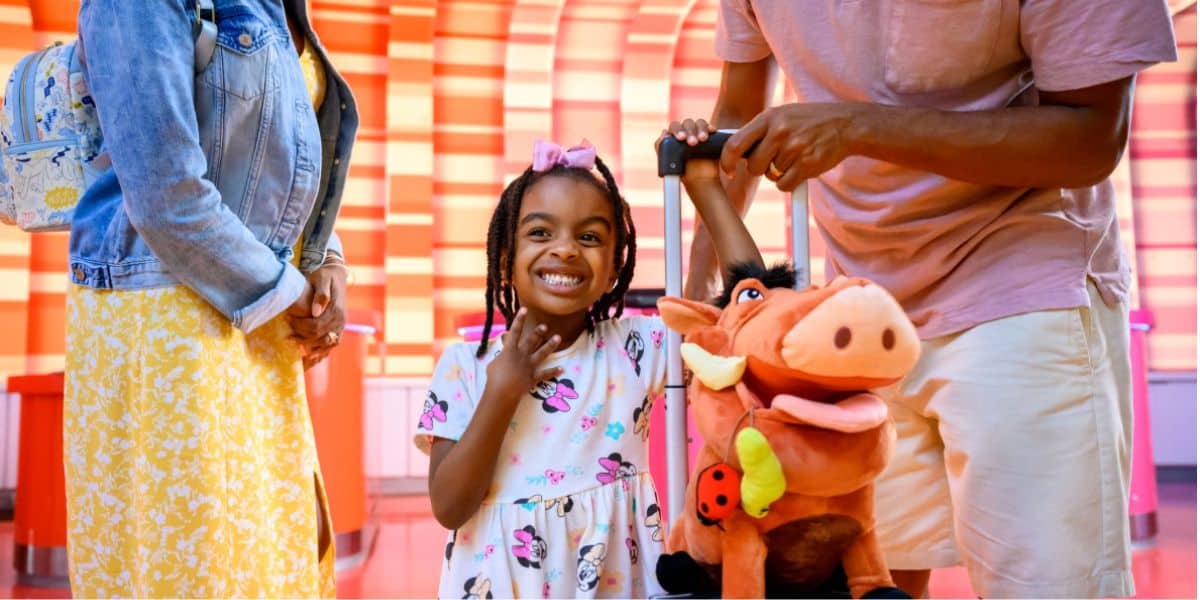
The “Magic” is still there, but in 2026, it comes with a premium price tag. For The Walt Disney Company, the strategy is clear: the future is luxury, and business has never been better.