
 Credit: Disney
On March 18, 2026, a seismic shift occurred at the top of the Mouse House. After a tumultuous second act and a prolonged succession drama that kept Wall Street on edge, Josh D’Amaro has officially taken the reins as the CEO of The Walt Disney Company. D’Amaro, the charismatic former Chairman of Disney Experiences, steps into the role with the daunting task of navigating a fractured media landscape.
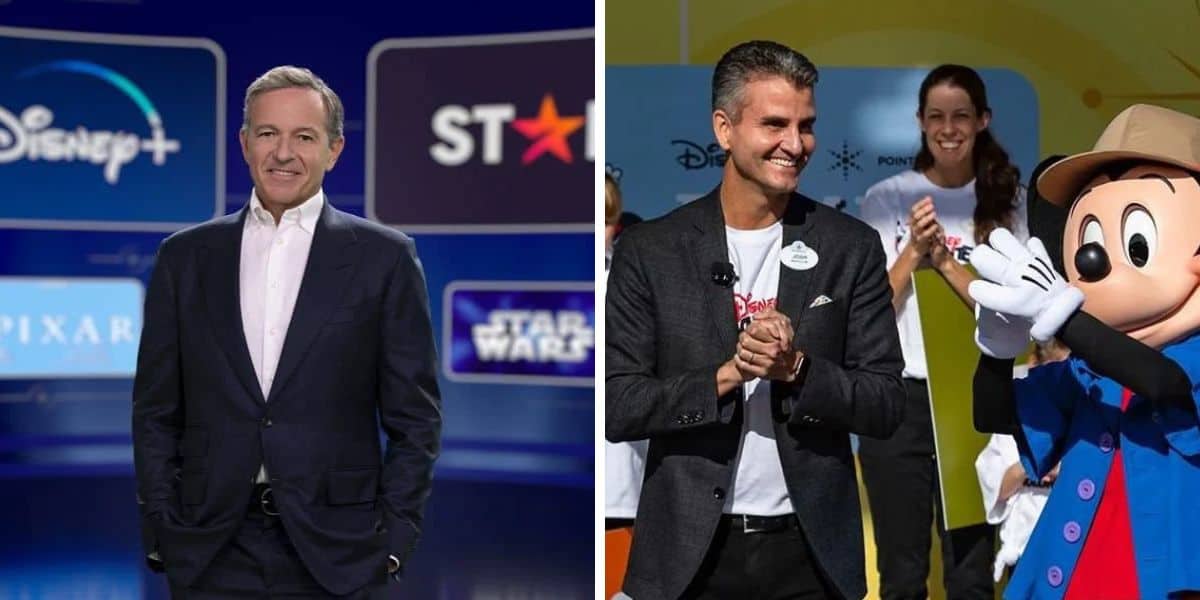
But as the D’Amaro era begins, the world is looking back at the man who defined 21st-century entertainment: Bob Iger. From his initial ascension in 2005 to his surprise return in 2022, Iger’s tenure was marked by unprecedented expansion, digital disruption, and a complicated ending that has sparked fierce debate.
What will Bob Iger’s legacy truly be? Was he the ultimate architect of the modern media empire, or the man who stayed at the party too long?
The Architect of Acquisitions: Building the Four Pillars
If you look at Disney in 2005 versus 2026, the difference is staggering. When Iger first took over from Michael Eisner, Disney’s animation studio was struggling, and its brand was aging. Iger’s legacy is, first and foremost, defined by four “Big Bang” acquisitions that transformed Disney into an untouchable content powerhouse:

- Pixar (2006): In a move that mended a fractured relationship with Steve Jobs, Iger bought Pixar for $7.4 billion. This didn’t just save Disney Animation; it integrated Pixar’s creative culture into the heart of the company.
- Marvel Entertainment (2009): Many scoffed at the $4 billion price tag for a “comic book company.” Today, the Marvel Cinematic Universe (MCU) is the highest-grossing film franchise in history.
- Lucasfilm (2012): Bringing Star Wars and Indiana Jones under the Disney umbrella for $4 billion solidified Disney’s dominance over “fanboy” culture and gave the parks a massive new anchor in Galaxy’s Edge.
- 21st Century Fox (2019): A massive $71 billion gamble that brought Avatar, The Simpsons, and X-Men home, providing the “ammunition” needed for the streaming wars.
Through these deals, Iger moved Disney away from being just a “cartoon company” and into a diversified IP machine that owned the most valuable storytelling real estate on the planet.
The Digital Pivot: The Birth of Disney+
Perhaps Iger’s most courageous—and costly—legacy is the pivot to Direct-to-Consumer (DTC). Recognizing that cord-cutting was an existential threat to ESPN and the Disney Channel, Iger launched Disney+ in November 2019.
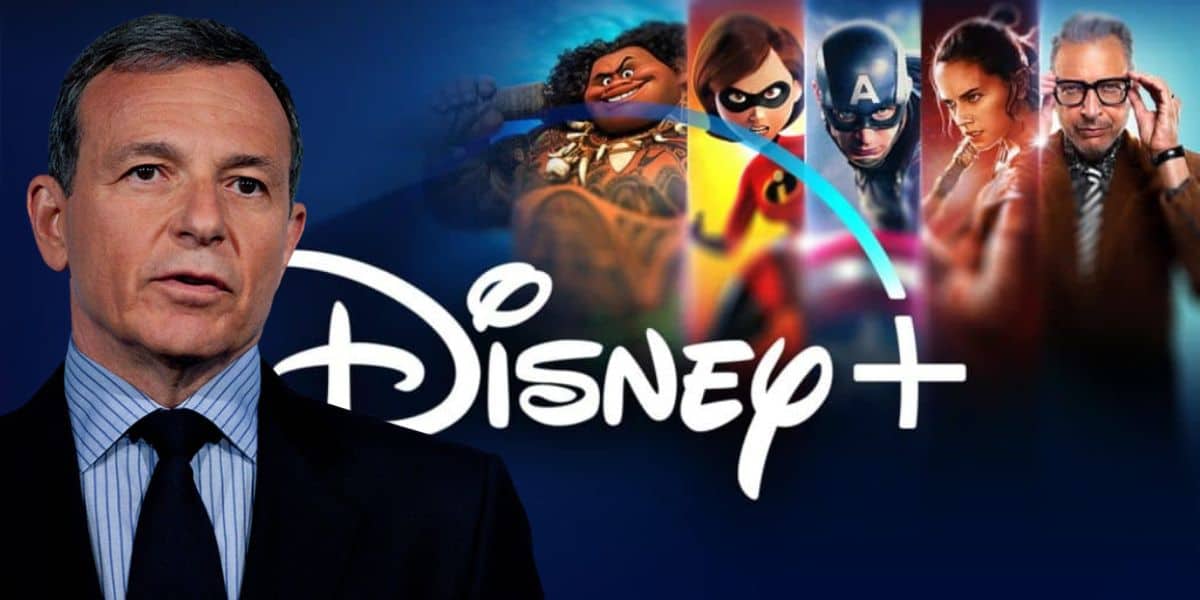
The platform saw meteoric growth, fueled initially by The Mandalorian and a global pandemic that kept everyone at home. Iger successfully transitioned a 100-year-old legacy media company into a tech-forward streaming giant. However, this legacy is a double-edged sword. The “growth at all costs” strategy led to massive quarterly losses in the billions, a problem that Iger spent much of his second term (2022–2026) trying to fix.
The Second Act: A Complicated Return
When Iger hand-picked Bob Chapek to succeed him in 2020, most thought the book on Iger was closed. But the disastrous Chapek era—marked by the “Don’t Say Gay” controversy, the Scarlett Johansson lawsuit, and plummeting creative morale—brought Iger back in November 2022.

Iger’s second term was less about expansion and more about restoration and “right-sizing.” He spent the last three years:
- Cutting $7.5 billion in costs.
- Laying off over 7,000 employees.
- Managing the Nelson Peltz proxy battles, defending the company against activist investors who claimed Disney had lost its way.
- Reinvigorating the creative pipeline after a string of box-office disappointments like The Marvels and Wish.
His final years were spent as a “wartime CEO,” making the difficult cuts necessary to ensure the company’s survival in a post-linear TV world.
The Expansion of the Parks: The “D’Amaro Factor”
Iger’s legacy is also written in the soil of the theme parks. Under his leadership, Disney opened Shanghai Disney Resort, a massive gateway into the Chinese market. He also oversaw the $60 billion investment plan for the parks—a plan that Josh D’Amaro helped craft.

From Pandora: The World of Avatar to the upcoming Monstropolis at Hollywood Studios, Iger understood that the parks were the company’s “physical flywheel.” He ensured that the billions spent on movie acquisitions were immediately monetized through immersive lands that could charge premium prices.
The Succession Shadow: His Only Real Failure?
If there is a stain on Iger’s legacy, it is the succession crisis. For a decade, Iger repeatedly pushed back his retirement, leading to the departures of several high-potential heirs (such as Tom Staggs and Kevin Mayer).

The failure of the Chapek transition and the three-year search for D’Amaro created instability at Burbank. Critics argue that Iger’s inability to “let go” hampered the company’s long-term planning. However, with the appointment of Josh D’Amaro, there is a sense that Iger has finally found a leader who embodies the same “creative first” spirit that Iger himself championed.
Conclusion: The Legend of the Last Great Mogul
Bob Iger leaves Disney as perhaps the last of the “Great Hollywood Moguls.” He leaves behind a company that owns the world’s most powerful IP, a thriving (though challenged) streaming service, and a theme park business that is more profitable than ever.

His legacy is immense in scale. He took a classic brand and made it a global behemoth. As Josh D’Amaro takes the seat today, he inherits a kingdom that Iger built, brick by brick, through bold risks and a relentless focus on brand quality.
Bob Iger didn’t just run Disney; he defined what a modern media company looks like. Now, it’s up to D’Amaro to decide what the next 100 years will look like.
Do you think Josh D’Amaro is the right choice for CEO? What do you think was Bob Iger’s biggest mistake? Let us know in the comments below!