
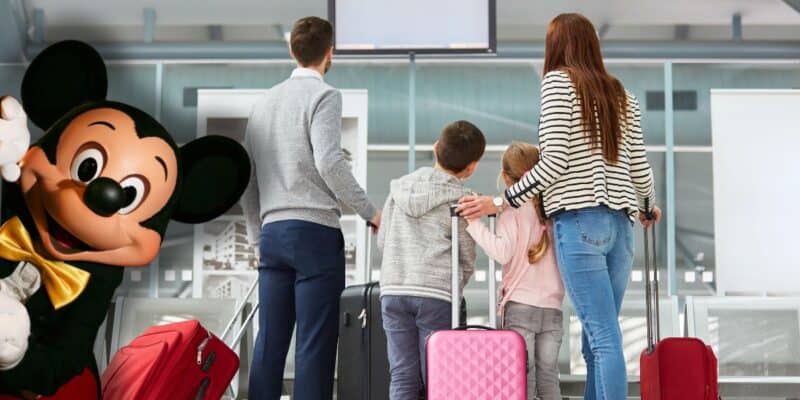
 Credit: Inside The Magic
Theme park vacations are at risk as the United States remains on high alert amid multiple growing issues, including airfare and fuel costs.

Theme Park Travel Across Entire Country on Alert: Here’s Why
For millions of families, a theme park vacation isn’t just another trip—it’s the one they plan all year. Flights are booked months in advance, park tickets are carefully timed, and every detail is mapped out with anticipation building toward that first step down Main Street, U.S.A. or through the gates of Universal Orlando Resort.
But lately, something feels different.
Fans are noticing subtle shifts in travel conversations—longer planning windows, more hesitation around booking flights, and growing concern about whether carefully planned vacations will go off without a hitch. What was once routine is beginning to feel uncertain, especially as the busy summer travel season approaches.
A surprising change is unfolding behind the scenes of global travel—and while it hasn’t fully reached every guest yet, the ripple effects are already beginning to form.
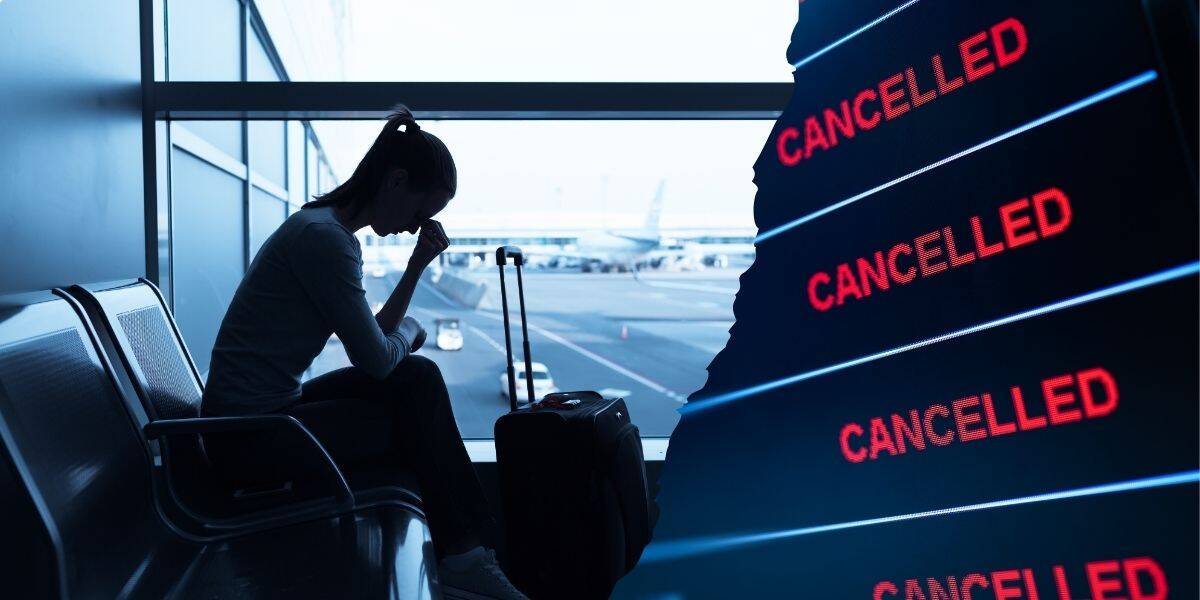
A Global Situation Is Quietly Reshaping Travel Expectations
At the center of this growing concern is a rapidly escalating issue affecting airlines worldwide. Jet fuel prices have surged dramatically in recent weeks, triggered by geopolitical tensions that have disrupted one of the world’s most critical oil shipping routes.
While this may seem like a distant, industry-specific issue, its impact is anything but isolated.
Airlines are now facing mounting operational pressure, with costs rising faster than many anticipated. Executives have begun warning that the situation is no longer temporary—and that travelers could soon feel the consequences in very real ways.
Guests are already reacting to early reports, with some expressing concern that airfare spikes or schedule changes could interfere with long-awaited vacations.

Airlines Are Beginning to Make Immediate Changes
The first visible signs of disruption are already here.
United Airlines has confirmed it will reduce approximately 5% of its planned flights in the coming months, specifically targeting off-peak routes like red-eye and midweek travel. For many guests, those are the exact flights that make theme park trips affordable and manageable.
This isn’t happening in isolation. Major carriers across the industry—including Delta Air Lines and American Airlines—are reporting significant increases in fuel-related expenses, with some already implementing fare adjustments or considering additional surcharges.
Globally, airlines are following suit, signaling that this is not a localized issue—it’s a widespread shift.
For travelers, this could mean fewer flight options, higher prices, and less flexibility when planning trips.

Theme Park Vacations Are Especially Vulnerable
This is where the impact becomes personal.
Destinations like Walt Disney World, Universal Orlando Resort, Disneyland, and Universal Studios Hollywood rely heavily on air travel. For many guests, flying isn’t optional—it’s the only realistic way to visit.
When flights become more expensive or less available, the entire structure of a vacation can start to shift.
Families may delay trips, shorten stays, or reconsider altogether. Budget-conscious travelers—especially those planning multi-day park visits—could feel the squeeze most, as airfare often represents one of the largest expenses in a theme park trip.
Fans are noticing this connection quickly, with growing conversations online about whether now is the right time to finalize travel plans.

Airport Conditions Are Improving—But Uncertainty Remains
At the same time, there’s been a noticeable improvement in one area travelers have struggled with recently: airport security.
Following weeks of staffing challenges, conditions at major hubs like Hartsfield-Jackson Atlanta International Airport, LaGuardia Airport, and Philadelphia International Airport have begun to stabilize, with wait times dropping significantly as TSA workers return.
On paper, this should be reassuring.
But even here, experts are warning that a “new normal” hasn’t fully settled in. Fluctuations in wait times and staffing levels could still create unpredictable travel days—especially during peak vacation periods.
Guests are already reacting to this mixed messaging, balancing relief over shorter lines with concern about what could happen next.

A Critical Moment for Summer Travel Plans
Taken together, these developments are forming what many see as a broader warning for travelers.
Higher fuel costs. Reduced flight schedules. Potential fare increases. Lingering airport uncertainties.
Individually, each might be manageable. But combined, they create a level of unpredictability that could directly impact theme park vacations across the country.
For destinations built on precise planning and once-in-a-lifetime experiences, even small disruptions can have a ripple effect. A delayed flight can mean a missed park reservation. A canceled route can force a costly rebooking. A price spike can push a trip out of reach entirely.

What This Could Mean for Guests Moving Forward
Looking ahead, the situation remains fluid—but the message from airlines is clear: change is already underway.
For guests planning trips to Disney or Universal parks, flexibility may become more important than ever. Booking earlier, monitoring flight changes closely, and building buffer time into travel plans could help offset potential disruptions.
At the same time, this moment may reshape how families approach vacations altogether—placing greater emphasis on timing, budgeting, and contingency planning.
Fans are noticing the shift, and the industry is watching closely.
Because while the magic inside the parks hasn’t changed, the journey to get there may be entering a very different chapter.