

 Credit: Six Flags
For generations, the regional theme park was the “easy win” for the American family. It was a one-day escape that didn’t require a flight, a hotel, or a second mortgage. You packed the kids in the car, paid for a season pass that cost less than a pair of sneakers, and spent the day riding coasters until the sun went down.
But as we hit the peak of the 2026 season, that “easy win” is becoming a financial nightmare. A “hidden crisis” is sweeping through the amusement industry, driven by a brutal combination of plummeting attendance and skyrocketing operating costs. From the massive $5.2 billion debt load suffocating the newly merged Six Flags-Cedar Fair empire to the $5 billion reckoning facing Dollywood’s parent company, the local midway is under siege.
If it feels like your local park is emptier, more expensive, and less “magical” than it used to be, you aren’t imagining it. Here is why the regional theme park, as we know it, is facing a “death drop” it might not recover from.
The Attendance Ghost Town: Why Families are Staying Home
The most alarming metric for park operators in 2026 isn’t just the bottom line—it’s the turnstiles. According to recent Axios reports, regional parks are seeing a significant “pullback” from middle-class consumers.

The “Cost of Entry” vs. The “Cost of Living”
While regional parks have historically been the “value” alternative to Disney or Universal, that gap is closing for all the wrong reasons. In a tight economy, the “ancillary” costs of a park visit have become deal-breakers:
- Parking: Once $10, now frequently $35–$45.
- Food & Beverage: A family of four can easily spend $120 on a single lunch of lukewarm burgers and soda.
- Fast Passes: As parks cut staffing to save money, lines for major rides grow longer, essentially “forcing” families to buy expensive skip-the-line passes just to experience four or five attractions.
When a “cheap day out” starts approaching $500 for a family of four, many consumers are simply opting to stay home or head to the local beach instead.
The $5 Billion Debt Trap: Why Your Local Park is Closing
It’s not just that fewer people are coming; it’s that the companies owning these parks are drowning in debt. The blockbuster merger between Six Flags and Cedar Fair was supposed to create a powerhouse to rival Disney. Instead, it created a company burdened by staggering $5.2 billion in debt.

To service that debt in a high-interest-rate environment, the “New Six Flags” has had to make ruthless choices. As reported by Axios, the company is already moving toward “portfolio optimization”—a corporate term for selling off or closing underperforming parks. Properties like Six Flags America and California’s Great America are essentially being treated as real estate assets rather than entertainment venues.
This week, Six Flags announced it was selling seven of its regional theme parks for $331 million to EPR Properties. This announcement comes weeks before the parks were set to open, but after Six Flags’ parks saw a 13 percent decline in attendance last season.
The strategy is shifting away from “volume” (getting as many people in for as cheap as possible) to “premiumization” (squeezing more money out of fewer, wealthier guests). If your local park doesn’t fit the “premium” mold, it’s likely on the chopping block.
The Dollywood Crisis: Labor Shortages and Rising Overhead
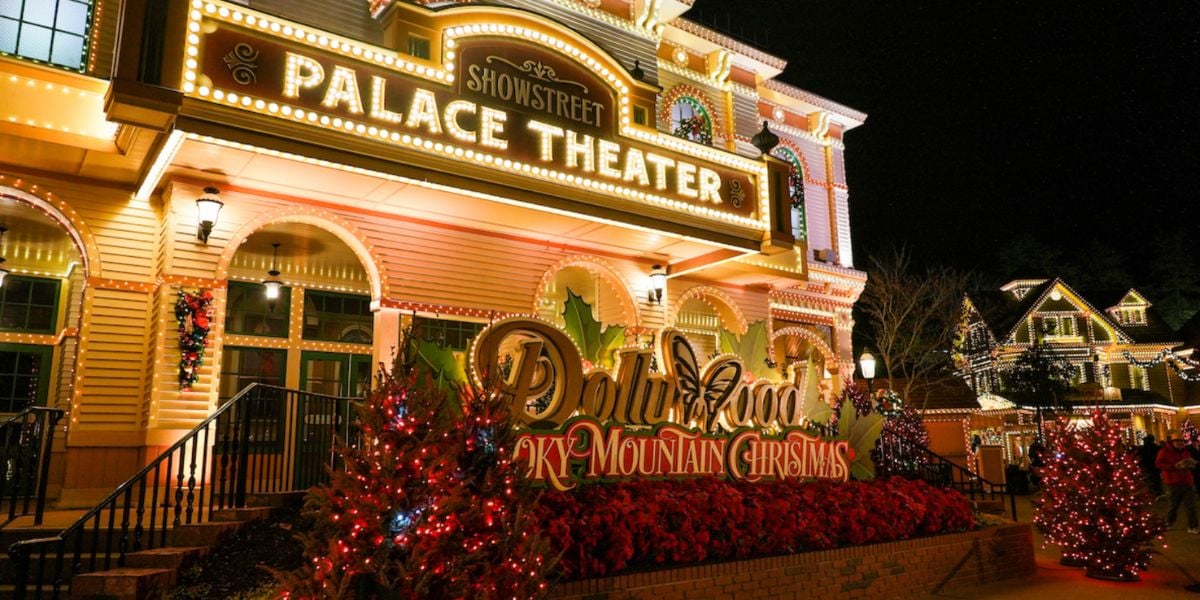
Even the most beloved parks aren’t immune. Dollywood, often cited as the gold standard for regional entertainment, is currently facing its own $5 billion reckoning. As detailed by TravelBinger, the parent company, Herschend Family Entertainment, is struggling with a “hidden crisis” that combines massive acquisition debt with a severe labor shortage.
The Labor War
Regional parks are labor-intensive operations. They require thousands of seasonal workers for ride operation, food service, and security. However:
- Visa Denials: Denials of thousands of H-2B visas have left parks across the country—including Dollywood—dangerously understaffed.
- Wage Competition: With the “Fight for $15” (and now $20 in many states), regional parks can no longer rely on ultra-cheap student labor.
- Maintenance Backlog: Rising costs for specialized parts and steel have made maintaining 30-year-old wooden coasters a financial drain.
When labor and maintenance costs rise while attendance dips, the “math” of the regional park breaks down, and we are already seeing the result: shorter operating hours, closed food stands, and “one-train operation” on major coasters, further frustrating the guests who do show up.
The “Disney Paradox”: Why Destination Parks are Winning
You would think that if people can’t afford Six Flags, they certainly can’t afford Disney World. Ironically, the opposite is true. Disney and Universal are reporting steady or increased “per-capita” spending.

This is the Disney Paradox: In an era of high costs, consumers are “saving up” for one massive, immersive experience rather than spending small amounts on multiple mediocre ones. Disney offers “Internal IP” (Marvel, Star Wars) that a regional park simply cannot match. For many families, the local park has become “expensive for what it is,” whereas Disney is “expensive, but worth the sacrifice.”
Who Survives the Great 2026 Liquidation?
Not every park will close. The “Crown Jewels”—parks with massive draws and modern infrastructure—will likely survive by becoming more expensive and “exclusive.”
- The Survivors: Cedar Point, Knott’s Berry Farm, Magic Mountain, and Dollywood.
- The At-Risk: Mid-tier parks in “over-saturated” markets or parks sitting on valuable real estate that could be sold for warehouses or luxury housing.
The emergence of liquidation entities such as “Enchanted Parks Holdings” suggests the sell-off has already begun. By the end of 2026, the landscape of American entertainment will look vastly different.
Final Thoughts: Catch the Coaster While You Can
The era of the $70 season pass and the “cheap summer” is dying. Between the $5 billion debt loads of parent companies and the soaring costs of keeping the lights on, regional parks are being forced to evolve or go dark.
For the average fan, the message is clear: support your local park now, because in this economic climate, the next “Permanent Closure” sign could be hanging on your favorite front gate.