
 Cr3edit: Inside The Magic
For generations of thrill seekers, theme parks have represented more than just roller coasters and funnel cake—they’re places where memories are made. Families plan vacations months in advance, season passholders return year after year, and the sights and sounds of a busy midway often feel like a tradition as much as an attraction.
Across North America, Six Flags has long been one of the most recognizable names in regional theme parks. From towering coasters to sprawling water parks, the brand helped define the amusement industry for decades. With parks stretching across the United States, Canada, and Mexico, the company built a reputation around high-thrill attractions and large-scale seasonal events that keep fans coming back.
But recently, a wave of uncertainty has been rippling through the theme park community. Rumors and speculation have been circulating about potential changes within the company’s portfolio, leaving some fans wondering what the future might hold for their favorite local parks.
Now, those questions are beginning to get answers—and the development is sending shockwaves through the industry.
The Magic of Regional Theme Parks Has Shaped Generations of Family Vacations
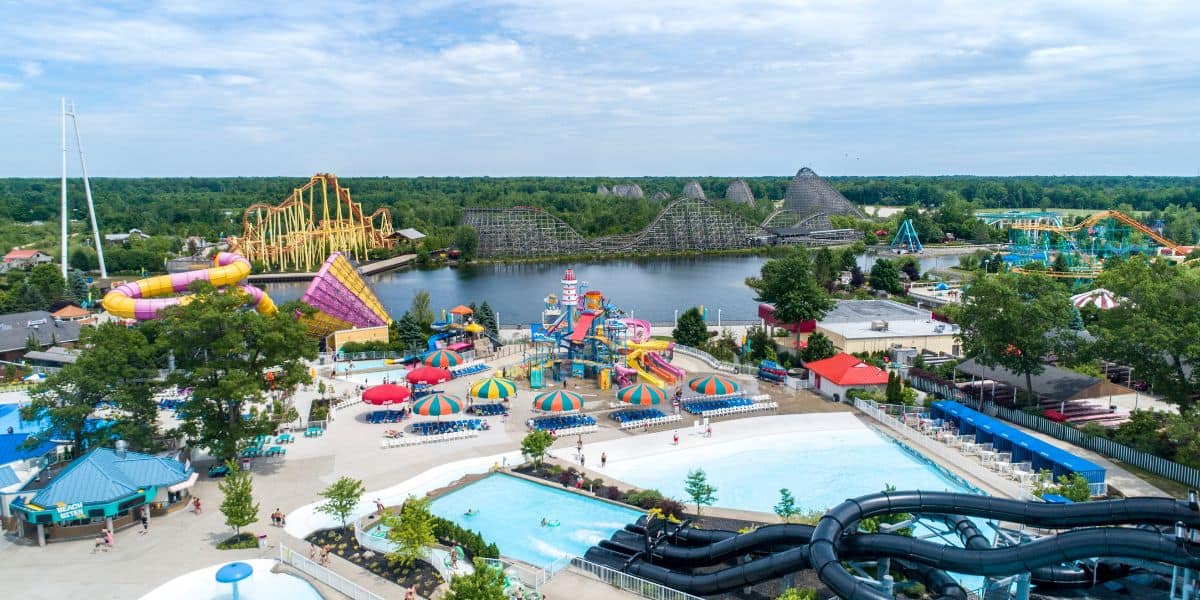
Unlike destination resorts such as Walt Disney World or Universal Orlando Resort, regional parks often serve as annual traditions for families living nearby. Parks like Worlds of Fun in Kansas City or Six Flags St. Louis have spent decades anchoring their communities with summer festivals, Halloween events, and iconic rides that locals grew up riding.
These parks also play an important role in the broader theme park ecosystem. While global tourism destinations attract travelers from across the world, regional parks deliver accessible entertainment close to home. For many guests, they represent the first place they ever rode a roller coaster or spent a day immersed in theme park excitement.
Because of that emotional connection, even small operational changes can quickly spark conversation among fans online.

A Wave of Uncertainty Has Surrounded the Theme Park Giant in Recent Months
The announcement arrives during a period of significant transformation within Six Flags Entertainment Corporation.
In July 2024, Six Flags merged with Cedar Fair, L.P. in an $8 billion deal that created the largest regional theme park company in the world. The combined portfolio now spans 27 amusement parks, 15 water parks, and nine resort properties across 16 U.S. states, along with parks in Canada and Mexico.
Yet alongside the expansion came new strategic decisions about which parks best fit the company’s long-term growth plans.
The company already made headlines in November 2025 when it closed Six Flags America and Hurricane Harbor in Bowie, Maryland after more than 50 years of operation. That park originally opened as a drive-through safari attraction called The Wildlife Preserve in 1974 before eventually becoming part of the Six Flags brand in 1999.
At the time, company leadership hinted that additional portfolio changes could follow.
A Surprising Announcement Confirms Several Major Parks Will Soon Change Hands
On March 5, Six Flags Entertainment Corporation confirmed that it will sell seven of its theme parks across the United States and Canada.
The parks involved include:
-
Michigan’s Adventure (Muskegon, Michigan)
-
Schlitterbahn Waterpark Galveston (Texas)
-
Six Flags Great Escape (Queensbury, New York)
-
Six Flags La Ronde (Montreal, Canada)
-
Six Flags St. Louis (Missouri)
-
Valleyfair (Minneapolis area, Minnesota)
-
Worlds of Fun (Kansas City, Missouri)
According to the company’s announcement, the properties will be sold to EPR Properties, a Kansas City–based real estate investment trust that already owns numerous entertainment venues including movie theaters, ski resorts, and amusement parks.
Six Flags emphasized that guests should not expect major disruptions in the immediate future. The company confirmed all seven parks will continue operating normally through the 2026 season, and season passes and memberships will continue to be honored during the transition.
In a press release, new CEO John Reilly explained the reasoning behind the move:
“By focusing our resources on the parks that we believe have the highest growth potential, we expect to drive operating leverage, expand margins and accelerate our cash flow generation.”

What this massive shift could mean for the future of these parks
As part of the agreement, EPR Properties will partner with different operators to manage the parks moving forward. La Ronde Operations, Inc. will oversee the Montreal park, while Enchanted Parks is expected to operate the six remaining U.S. properties.
Trademark filings reviewed by PEOPLE earlier in 2025 showed Enchanted Parks Holdings, LLC submitting applications tied to amusement park services and merchandise. The locations referenced in those filings appeared to correspond with several of the parks now included in the sale.
However, the long-term future of these destinations beyond their current Six Flags branding remains unclear.
For travelers planning theme park visits over the next year, the company says operations should remain unchanged for now. But the announcement signals a significant turning point for the regional theme park landscape.
Whether these parks eventually evolve under new leadership or continue largely unchanged, fans will be watching closely.
One thing is certain: in an industry built on nostalgia and tradition, even the hint of change can feel like the end of an era.
What do you think about Six Flags selling these parks? Should the company keep its regional parks, or is this the right move for the future of the brand?