
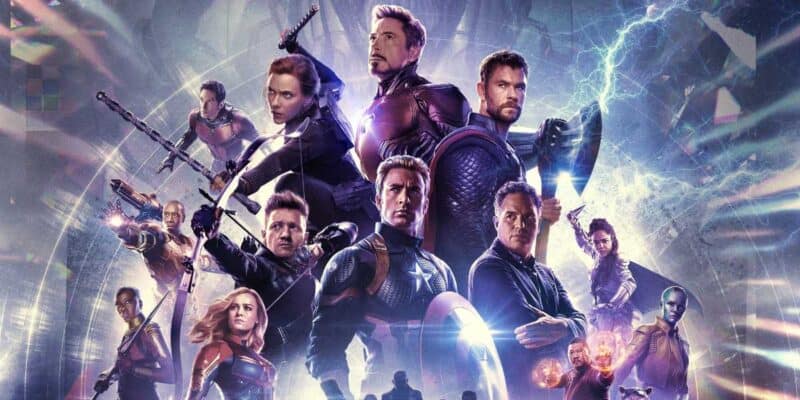
 Credit: Marvel Studios
Something interesting just happened inside the Marvel Cinematic Universe, and it didn’t arrive with a massive trailer drop or a dramatic press announcement. Instead, Disney quietly slipped in a series of confirmations that fans are only now beginning to unpack. A recent MCU update revealed several unexpected connections, and while nothing felt loud or earth-shattering on the surface, the implications are surprisingly big.
For years, audiences have debated what truly exists inside Marvel’s shared world beyond superheroes and cosmic threats. The MCU has always mirrored our reality in small ways, but Disney’s latest storytelling choices suggest something more profound is happening.
Without directly announcing it, Marvel appears to be confirming pieces of pop culture history as part of its official universe — and fans are realizing just how interconnected Disney’s empire has become.
Before diving into the specifics, it’s worth understanding why these confirmations matter at all.
A Much Bigger Picture
Disney isn’t just the home of Marvel. Over the past two decades, the company has built one of the most powerful entertainment portfolios in history. From animated princess classics to Star Wars, Pixar storytelling, live-action remakes, and significant television properties, Disney oversees an enormous collection of recognizable worlds.
Traditionally, Marvel projects referenced real-world culture sparingly. Characters might mention a movie or a celebrity, but those moments rarely carry more profound meaning. Now, Disney appears more comfortable acknowledging its own franchises as existing within Marvel’s fictional reality.
That shift signals a new storytelling confidence. Rather than keeping its brands separate, Disney is allowing subtle cross-recognition among its properties. The result feels less like a crossover event and more like a confirmation that the MCU reflects a version of our world — one where Disney’s cultural dominance exists just the same.
That idea becomes especially clear in Marvel’s newest Disney+ series.
The Latest MCU Update
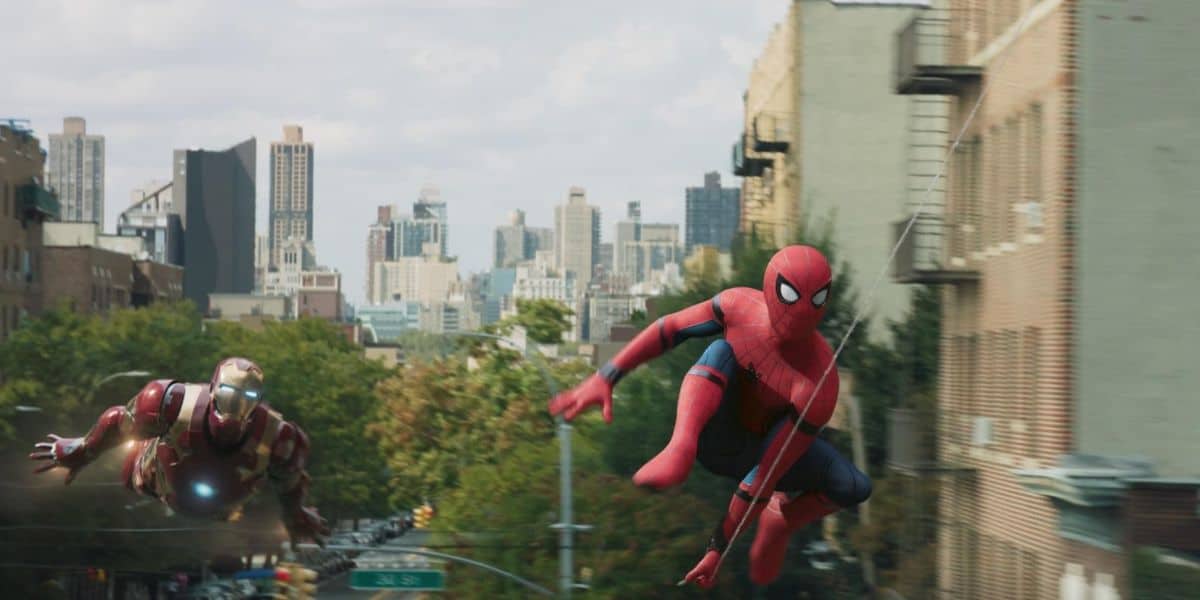
The Disney+ show Wonder Man leans heavily into Hollywood satire, following Simon Williams as he navigates fame, auditions, and the strange realities of show business inside a superhero-filled world. While the series delivers humor and character moments, fans quickly noticed something else: a surprising number of Easter eggs that confirm what entertainment exists within the MCU itself.
Rather than relying on quick jokes, the show carefully places references through dialogue, background visuals, and celebrity appearances. Each moment builds a clearer picture of the MCU’s cultural landscape.
And some of the confirmations come from very unexpected places.

A Scene Fans Didn’t Expect
One of the most memorable moments occurs during a nightclub scene featuring actor Josh Gad, who appears as himself. In the episode, Gad performs a wildly reimagined electronic dance remix of a beloved song associated initially with his famous animated snowman character.
The performance plays as comedy first, but it carries a deeper meaning. By presenting Gad as both a real-world celebrity and the same performer audiences recognize, the show confirms that Frozen exists as a film within the MCU. In other words, characters in Marvel’s universe have watched the same Disney animated hit audiences know today.
The scene works as both parody and tribute, poking fun at Hollywood reinvention while quietly establishing Disney animation as part of Marvel’s cultural reality. It’s absurd, self-aware, and surprisingly crucial for continuity.

Blink, and You Might Miss It
Another confirmation arrives more subtly. During sweeping shots of Hollywood Boulevard, viewers can spot a billboard featuring the famous family-themed phrase from Lilo & Stitch. The moment lasts only seconds, yet it carries emotional significance.
Its presence suggests that the film’s story and message are recognizable in the MCU’s pop culture. The inclusion also mirrors Wonder Man’s themes, as the show explores unlikely friendships and chosen-family dynamics among its central characters.
Rather than feeling like a random Easter egg, the reference reinforces the series’s emotional tone while confirming another Disney classic as part of Marvel’s shared universe.
A Clever Conversation
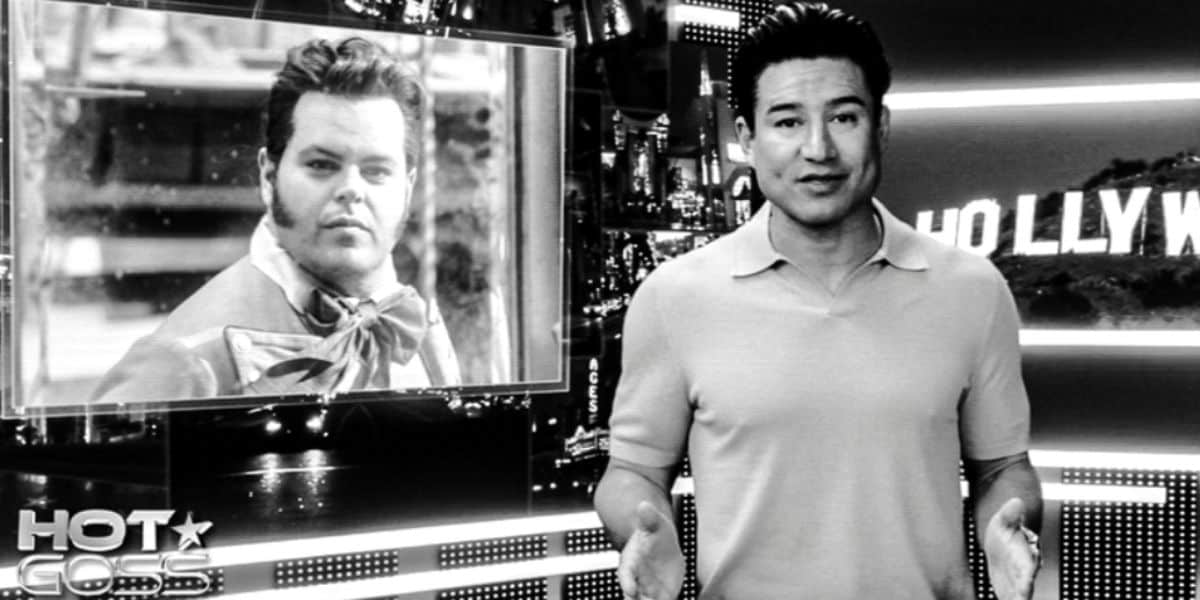
A cameo appearance from television host Mario Lopez adds another layer of confirmation. While discussing an upcoming project connected to Josh Gad’s character, Lopez references Gaston — the famously arrogant antagonist from Beauty and the Beast.
The joke works on multiple levels. It acknowledges Gad’s past role in that story while confirming that the animated tale exists within the MCU. The mention also aligns perfectly with Wonder Man’s exploration of ego and celebrity identity, using Gaston as shorthand for exaggerated masculinity and performance.
It’s a clever example of how the show blends humor with world-building.
Hidden in Plain Sight
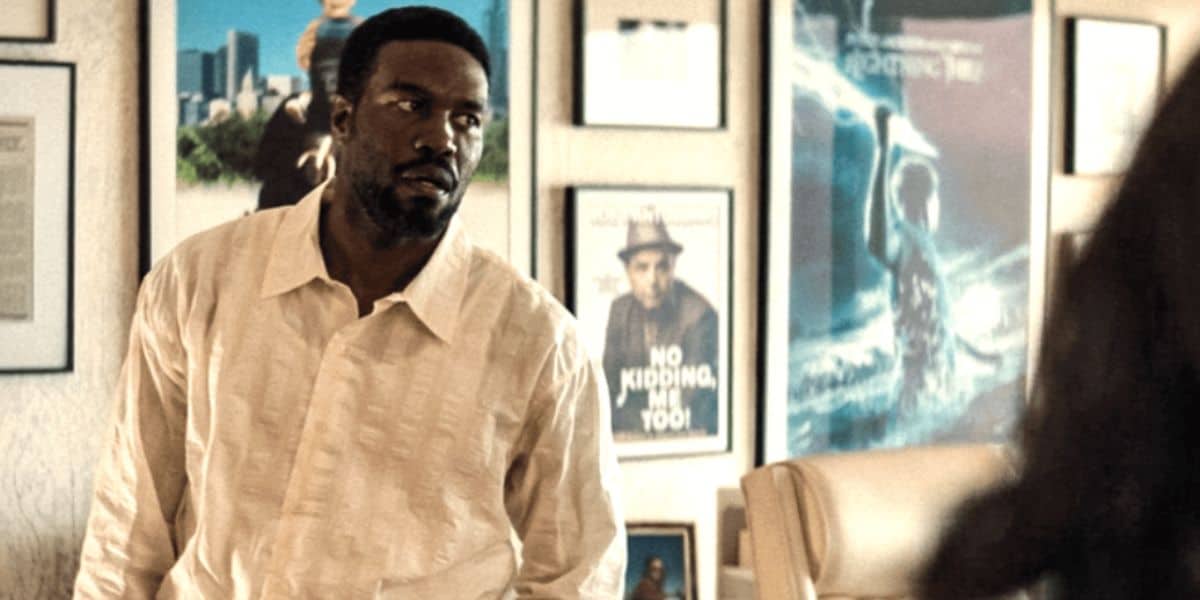
Episode 2 includes a quieter but equally fascinating detail when characters visit an actor’s home filled with memorabilia. Among the items visible on the wall sits a poster for Percy Jackson & the Olympians: The Lightning Thief.
The inclusion confirms that the fantasy adventure film exists within the MCU’s entertainment landscape. Because the actor who appeared in the episode also starred in that movie in real-world cinema, the reference creates a playful loop suggesting the same performances occurred in both universes.
Moments like this reward attentive viewers while expanding Marvel’s cultural backdrop without disrupting the main story.
A Meaningful Callback
Later in the series, viewers spot a poster for the original Planet of the Apes film hanging inside Trevor Slattery’s trailer. This reference connects directly to previously established character history, as Trevor once explained that watching the movie inspired him to pursue acting.
By showing the poster again, Wonder Man reinforces that formative detail while confirming the classic sci-fi franchise exists within MCU canon. The callback also highlights Trevor’s enduring innocence, reminding audiences that his life choices were shaped by cinematic wonder rather than superhero drama.
It’s a slight touch that deepens continuity while honoring earlier storytelling.
The References Keep Coming
Beyond Disney-owned properties, Wonder Man includes numerous additional references that broaden what officially exists inside Marvel’s universe. Early episodes reveal that Simon briefly lands — and quickly loses — a role in the dark anthology series American Horror Story, suggesting the show maintains its reputation within the MCU.
The Twilight franchise also receives a casual mention, humorously existing in the same world as Marvel’s vampire hunter Blade. During an audition scene, Simon quotes dialogue from Pretty Woman, and the director immediately recognizes the famous romantic comedy.
Background details continue the pattern. A billboard promoting Wicked appears during a city sequence, while industry conversations reference television series like Sons of Anarchy and Castle Rock as legitimate credits within the MCU’s entertainment industry. Even modern horror finds its place, as characters reference an audition tied to a sequel within the M3GAN franchise, implying multiple installments exist in this universe.
Each mention builds the sense that the MCU isn’t isolated from pop culture — it mirrors a version of our own entertainment landscape.
Why It All Matters
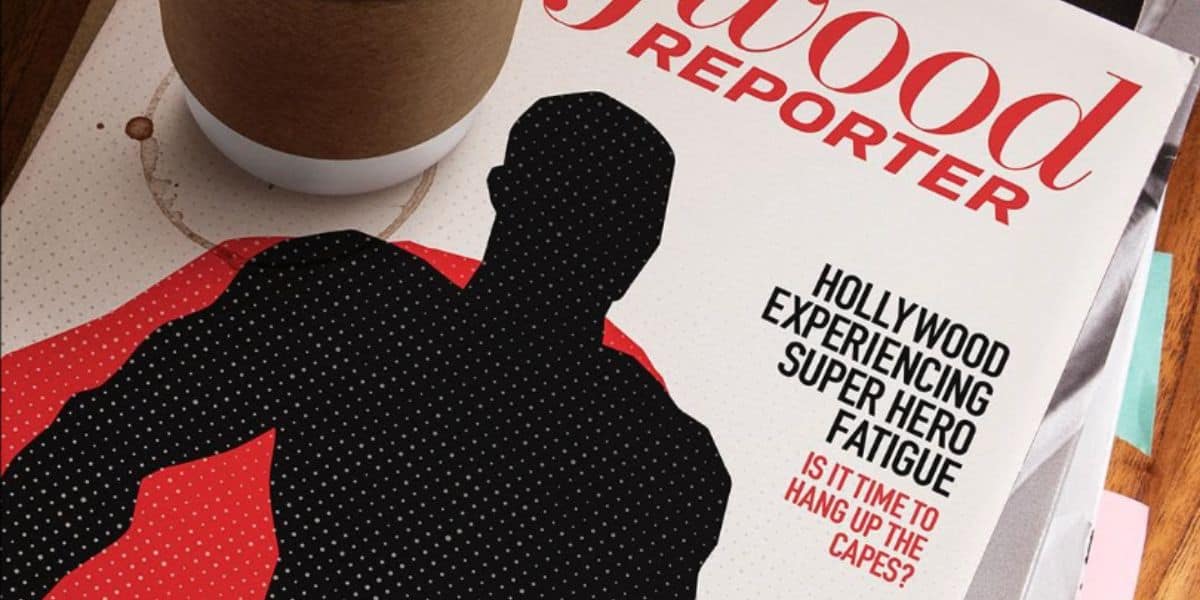
Taken together, these moments reveal a fascinating evolution in Marvel storytelling. Rather than separating its universe from Disney’s broader catalog, Marvel is embracing the idea that superheroes exist alongside familiar films, celebrities, and cultural touchstones.
The confirmations don’t rewrite history or dramatically alter storylines. Instead, they quietly expand the boundaries of the MCU, grounding it more firmly in a recognizable world.
And that may be the biggest takeaway. Marvel Studios didn’t just add Easter eggs for fun — it confirmed that the Disney MCU is larger, more self-aware, and more interconnected than fans previously realized. As future projects continue exploring Hollywood, media, and celebrity culture, these subtle acknowledgments could become an increasingly important part of how Marvel tells its stories moving forward.