
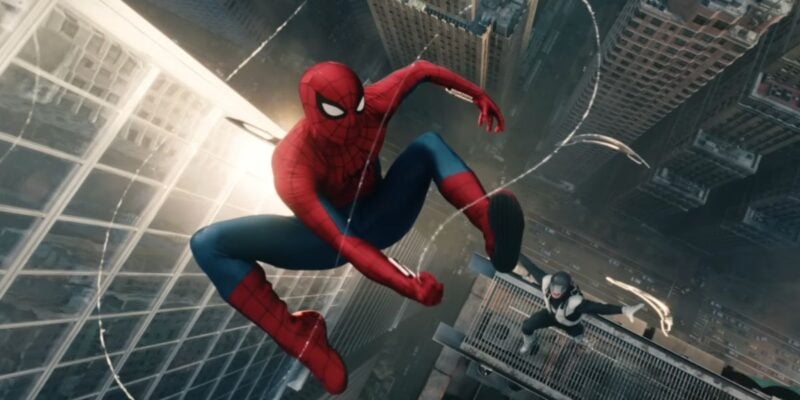
 Credit: Marvel Studios
The Marvel Cinematic Universe has grown into one of the largest interconnected stories ever told on screen. Over nearly two decades, Marvel Studios has released dozens of films and streaming series that together form one massive narrative. With so many entries now available, figuring out the best order to watch everything can feel overwhelming.
That’s where this guide comes in.
If you’ve ever wondered how to watch the entire Marvel universe from beginning to end, you’re not alone. Fans constantly debate whether the best approach is release order, chronological order, or something in between. For viewers who want the story to unfold in the Marvel universe’s timeline, chronological viewing has become the most popular option.
Below is a complete guide to the Marvel Cinematic Universe, presented in chronological order, including both films and streaming series. If you’re ready to dive in—or revisit the saga from the beginning—this lineup will help you experience the story the way the MCU timeline unfolds.

Disney+ Has Become the Home of the MCU
One of the biggest advantages for Marvel fans today is how much of the franchise now lives in one place. Disney+ has become the central hub for the Marvel Cinematic Universe, giving viewers access to most of the films along with an expanding lineup of original series.
These shows aren’t just side stories. Many of them directly continue plotlines from the films and introduce characters who play major roles later in the timeline. Series like WandaVision (2021), Loki (2021), and The Falcon and the Winter Soldier (2021) connect directly to the broader MCU narrative.
Because of that, watching the MCU in chronological order now means including both films and streaming series. The universe has expanded beyond theaters, and the Disney+ shows are essential chapters in the story.
With that in mind, here’s the full chronological watch order.
The Origins of the Marvel Universe
The Marvel story begins decades before the modern Avengers era. The earliest events take place during World War II with Captain America: The First Avenger (2011). This film introduces Steve Rogers and the super-soldier program that helps shape much of the MCU’s future.
Next comes Captain Marvel (2019), which takes viewers to the 1990s, introduces Carol Danvers, and shows early connections between Nick Fury and the broader cosmic side of the Marvel universe.
After those earlier stories, the MCU shifts into the modern era with Iron Man (2008), the film that launched the entire franchise. Tony Stark’s transformation into Iron Man sets off a chain reaction that leads to the formation of the Avengers.
The story continues with Iron Man 2 (2010), The Incredible Hulk (2008), and Thor (2011), each introducing key characters who will later come together for a much larger mission.

The Avengers Begin to Assemble
The MCU’s first major crossover arrives with The Avengers (2012), when Earth’s mightiest heroes finally unite to stop Loki and an alien invasion of New York.
From there, the universe expands quickly. The fallout from the Avengers’ formation leads to Thor: The Dark World (2013) and Iron Man 3 (2013), both exploring how the characters deal with the consequences of earlier battles.
The tone of the franchise shifts dramatically with Captain America: The Winter Soldier (2014), which introduces a political thriller element and reshapes S.H.I.E.L.D.’s future.
Around the same time, Marvel began expanding its cosmic storytelling with Guardians of the Galaxy (2014) and Guardians of the Galaxy Vol. 2 (2017). These films introduce an entirely new group of heroes operating far from Earth but destined to become central players in the larger saga.

Rising Tensions Across the Marvel Universe
As the MCU continues growing, several films begin setting the stage for larger conflicts.
Avengers: Age of Ultron (2015) introduces new heroes like Scarlet Witch and Vision while also laying the groundwork for future tensions between the Avengers.
Those tensions finally erupt in Captain America: Civil War (2016), where the Avengers split into opposing factions over government oversight and accountability.
Before and after that major clash, Marvel adds several important standalone stories that expand the universe. These include Ant-Man (2015), Black Widow (2021), Black Panther (2018), Spider-Man: Homecoming (2017), and Doctor Strange (2016).
Each of these characters eventually plays a major role in the battles that follow.
The build-up continues with Thor: Ragnarok (2017) and Ant-Man and the Wasp (2018), both of which help position the universe for the massive conflict ahead.

The Infinity Saga Reaches Its Climax
Everything in the early MCU leads to one defining confrontation.
That story begins with Avengers: Infinity War (2018), where Thanos emerges as the Avengers’ most powerful threat. The battle spreads across the galaxy and ends with devastating consequences for the heroes.
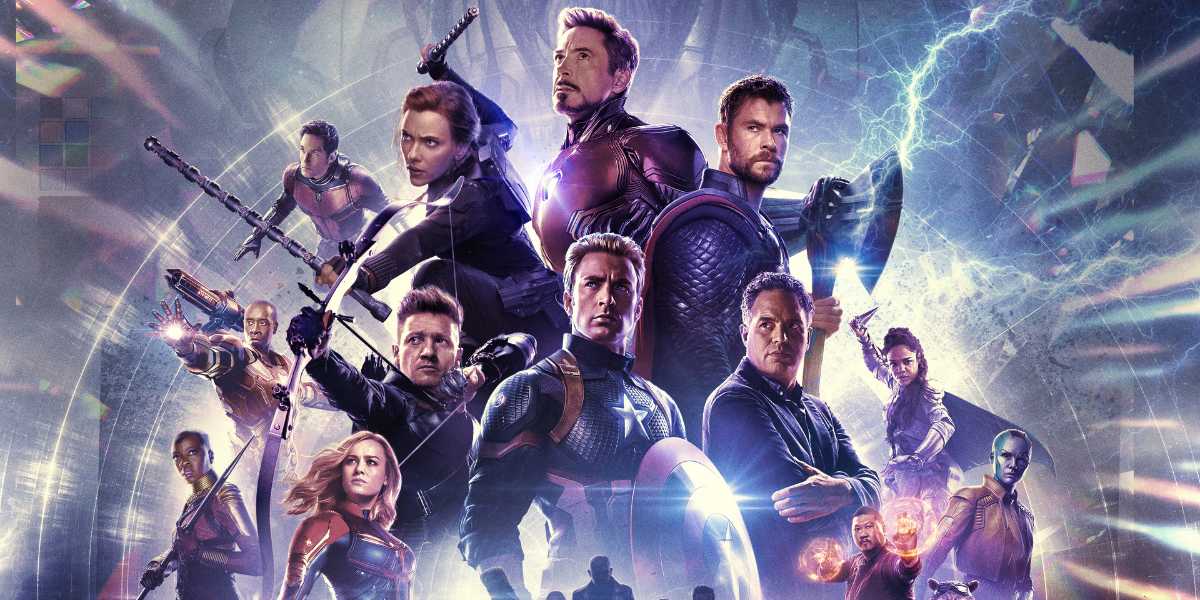
The aftermath unfolds in Avengers: Endgame (2019), a massive finale that brings together nearly every character introduced throughout the MCU’s first decade.
While these films close the chapter known as the Infinity Saga, they also open the door to entirely new directions for the Marvel universe.
Disney+ Series Begins Expanding the Story
Following the events of Avengers: Endgame (2019), the Marvel Cinematic Universe begins exploring the world left behind after the Avengers’ battle with Thanos. One of the first stories to address that aftermath is Spider-Man: Far From Home (2019), which follows Peter Parker as he struggles with the loss of Tony Stark while stepping into a larger heroic role of his own.
From there, Marvel begins expanding the story through several Disney+ series.
The timeline continues with Loki Season 1 (2021) and What If…? Season 1 (2021), both of which explore alternate timelines and the growing possibilities of the Multiverse.
Meanwhile, WandaVision (2021) focuses on Wanda Maximoff’s grief and introduces major new elements that later connect directly to Doctor Strange in the Multiverse of Madness (2022).
Other series, like The Falcon and the Winter Soldier (2021) and Hawkeye (2021), explore how the world continues changing as the Avengers’ original team begins to fade away.
The Multiverse Saga Begins
Marvel’s newer phase introduces a wide range of new heroes and cosmic threats.
Films like Shang-Chi and the Legend of the Ten Rings (2021) and Eternals (2021) bring entirely new characters into the MCU. Around this same era of the timeline, Spider-Man: No Way Home (2021) pushes the Multiverse storyline even further as Peter Parker’s life collides with characters from other realities.
Meanwhile, series like Moon Knight (2022), Ms. Marvel (2022), and She-Hulk: Attorney at Law (2022) expand the universe into supernatural and street-level storytelling.
Additional projects—including Thor: Love and Thunder (2022), Werewolf by Night (2022), and Black Panther: Wakanda Forever (2022)—continue building out the post-Endgame world.
The next wave of stories continues with Ant-Man and the Wasp: Quantumania (2023), Guardians of the Galaxy Vol. 3 (2023), Secret Invasion (2023), Loki Season 2 (2023), The Marvels (2023), Echo (2024), and Agatha All Along (2024).
Each project adds new pieces to the puzzle as Marvel moves deeper into its Multiverse storyline.

The Future of the MCU
The Marvel timeline continues expanding with several major recent releases.
The story moves forward with Captain America: Brave New World (2025), followed by Thunderbolts* (2025), which brought together a team of antiheroes from across the franchise.
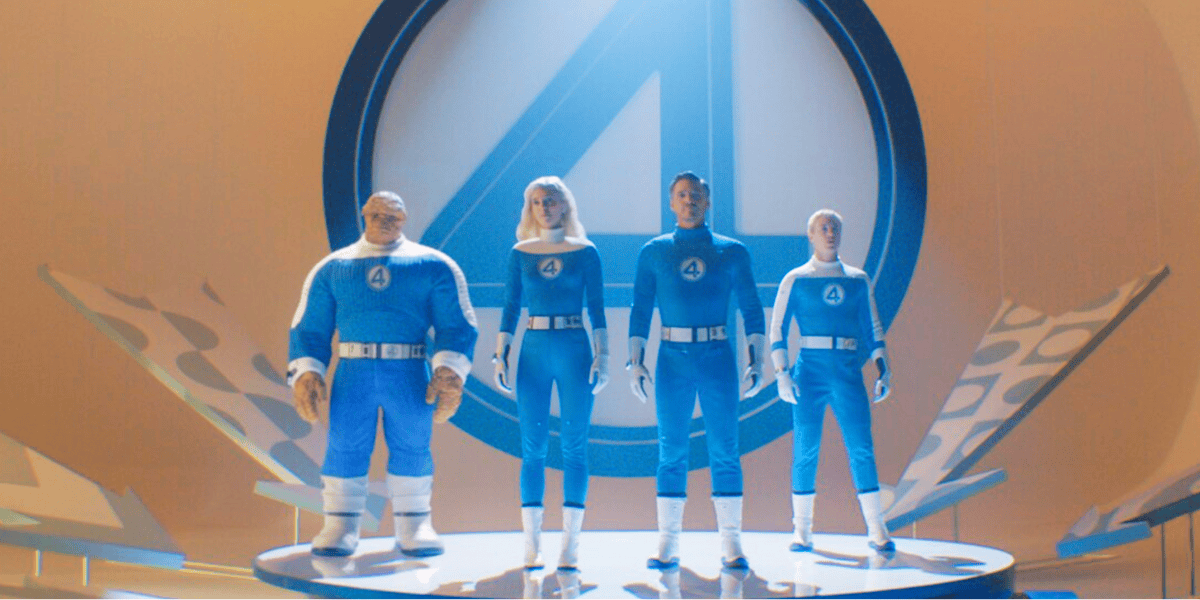
Marvel then introduced a completely new group of characters with The Fantastic Four: First Steps (2025), setting up another cornerstone of the MCU’s future.
Finally, the timeline continues with Wonder Man (2026), one of the newest additions to Marvel’s growing lineup of Disney+ series.
Why Watching in Order Makes the Story Even Better
Watching the Marvel Cinematic Universe in chronological order offers a unique experience. Instead of jumping between different time periods based on release dates, the story unfolds naturally from the earliest events to the newest chapters.
You’ll see how ideas, characters, and conflicts evolve. You’ll also notice connections that may not have been obvious when watching the films individually.
With Disney+ bringing so many of these projects together in one place, it has never been easier to experience the full Marvel saga from beginning to end.
Whether you’re starting the journey for the first time or revisiting it before the next big Marvel release, following the timeline above provides one of the most satisfying ways to watch the entire Marvel universe unfold.