 2
2
 Credit: Disney
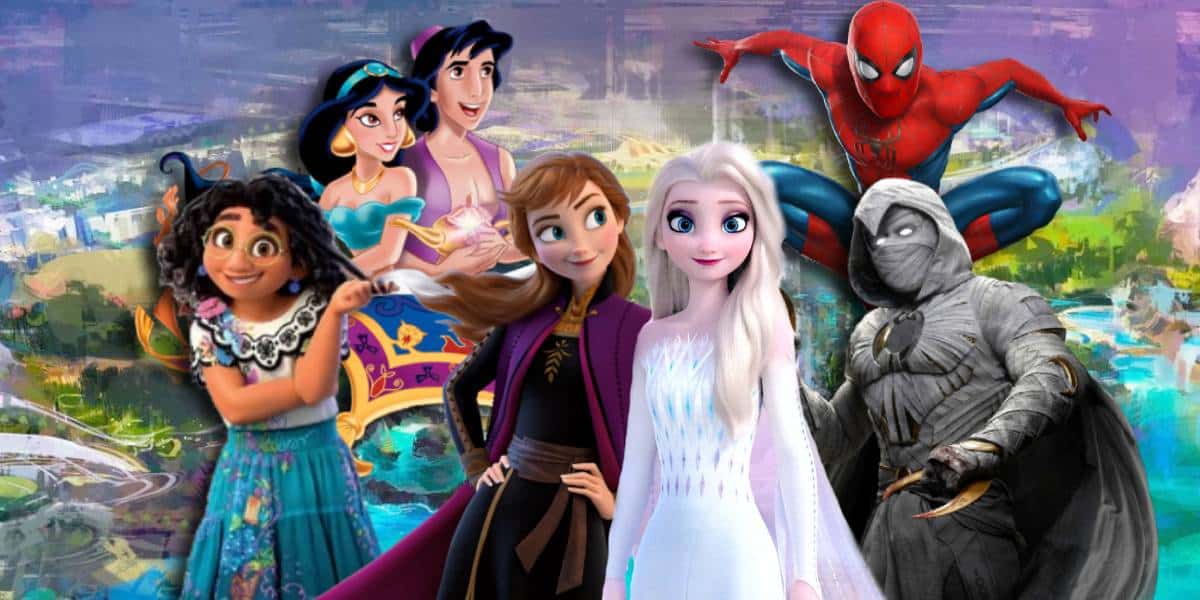
For decades, The Walt Disney Company’s expansion into the Middle East has been the “holy grail” for theme park enthusiasts and global investors alike. After years of speculation, rumors, and fan-made concept art, the vision finally seemed to take shape. Disney’s announcement of the park in the UAE had fans buzzing about what lands it would include.

However, the “Happiest Place on Earth” is currently crashing into the harshest reality on Earth. As the calendar turns to March 2026, a devastating regional conflict is doing what no competitor could: threatening to pull the plug on Disney’s Middle Eastern expansion before the first brick is even laid.
According to a bombshell Reuters report citing the Financial Times, Gulf states are currently conducting a massive review of their global and regional investment portfolios. The cause? The ongoing war in Iran triggered severe financial strains. As Arab states begin to pull back their investments in U.S.-linked projects and pivot toward defense and domestic stability, Disney’s UAE theme park is suddenly sitting on the chopping block.
The Dream of Disney UAE: A Billion-Dollar Oasis
The prospect of a Disney park in the UAE—specifically in Abu Dhabi—was more than just a tourist play; it was a symbol of the Middle East’s pivot toward a post-oil, “experience-based” economy. The project was to be a multi-billion-dollar joint venture, fueled by the massive sovereign wealth funds that have historically viewed U.S. entertainment giants as “safe” and “prestigious” bets.

The excitement reached a fever pitch in late 2025 and early 2026, with social media influencers and industry insiders sharing leaked details of a park that would blend classic Disney storytelling with local cultural themes. But the optimism of the “Tweet-sphere” is now being silenced by the drums of war.
The Reuters Revelation: Financial Strains and War Chests
On March 5, 2026, the global financial landscape shifted. Reuters reported that Gulf Arab states—historically the world’s most reliable sources of liquid capital—are feeling the pinch. The “Iran war” has transformed the regional economy from one of expansion to one of preservation.
Why the Money is Moving
The conflict involving Iran has created a massive, unplanned drain on the treasuries of neighboring Gulf states. Money that was previously earmarked for “visionary” projects like a UAE Disney park is being diverted to:
- Defense Spending: Bolstering missile defense systems and regional security forces.
- Internal Stability: Maintaining subsidies and social programs to prevent unrest during the war-induced inflation.
- Infrastructure Repair: Shifting focus toward energy security and protecting supply lines from regional skirmishes.
According to the Financial Times, several sovereign wealth funds are being instructed to “review and potentially pause” non-essential investments. For a Disney park that requires a decade-long commitment and tens of billions of dollars in infrastructure, this “review” is the corporate equivalent of a death knell.
The Pullback from U.S. Brands: A Geopolitical Divorce?
The danger to Disney isn’t just financial; it’s geopolitical. The prompt’s context suggests that Arab states are starting to pull back their investment in the U.S., specifically over the Iran conflict.

For years, the U.S. and the Gulf states have maintained a “security for investment” relationship. However, if the Iran war has strained these alliances—perhaps due to differing views on military intervention or diplomatic de-escalation—the UAE may no longer see the value in hosting the ultimate symbol of American cultural soft power.
Disney as a Target
In times of regional war, a Disney park becomes a liability rather than an asset. It is an “American” target in a volatile region. If the UAE’s investment strategy pivots away from the U.S. to demonstrate strategic independence or mitigate risk, a massive Disney complex could become a political lightning rod that the Gulf states may want to avoid.
Is Disney UAE “Dead on Arrival”?
While neither Disney nor the UAE government has officially cancelled the project, the indicators are grim. Industry analysts point to three major “Red Flags” currently flying over the project:

1. The Cost of Debt and Capital
With the Reuters report highlighting “financial strains,” the cost of borrowing for a project this size has skyrocketed. Even for the wealthy UAE, the interest rates on wartime debt make a theme park look like a bad gamble.
2. The Supply Chain Nightmare
The Iran war has disrupted shipping lanes in the Gulf. Building a Disney park requires importing massive amounts of specialized steel, animatronics, and technology. With the regional waters in a state of conflict, the logistics of construction have become a nightmare.
3. The Tourism Vacuum
Disney parks rely on international “fly-in” tourism. If the Middle East is currently viewed as a theater of war, the projected attendance figures for a UAE park are likely to have collapsed. No investor—even a sovereign one—will fund a park designed for millions of tourists who are currently afraid to board a plane to the region.
The “New Normal” for Disney’s Global Strategy
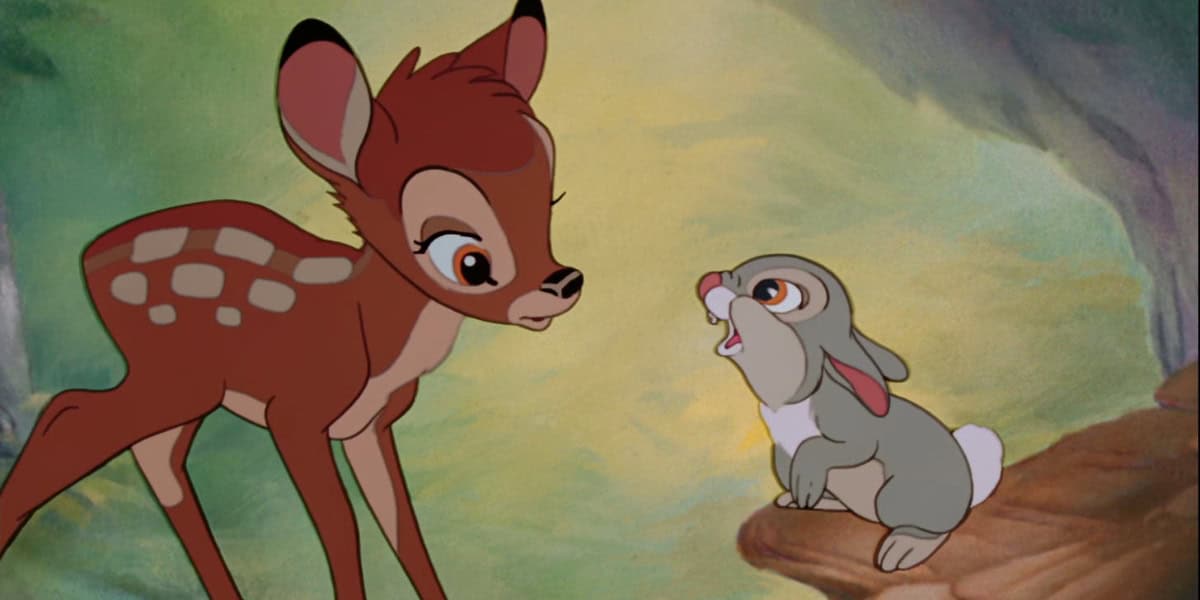
If the UAE park is indeed sidelined, it marks a significant retreat for Disney. Under the current leadership of Dana Walden (the CCO of Disney’s entertainment wing), there has already been a focus on “quality over quantity.” As seen with the recent cancellation of live-action remakes like Robin Hood and Bambi, Disney is in a “pruning” phase.
If the Gulf investment dries up, Disney is unlikely to fund the UAE park on its own. The studio has historically preferred the “licensed” or “joint-venture” model for international parks (such as Tokyo and Shanghai), where local partners provide the land and the lion’s share of capital. Without the Arab states’ war chests, the “Disney UAE” dream simply doesn’t have the fuel to fly.
Conclusion: A Kingdom Put on Hold
The excitement of 2026 has met the cold reality of 2026 geopolitics. The Reuters report serves as a stark reminder that even the most “magical” plans can be undone by the financial and political strains of war.
For now, Mickey Mouse is staying home. As the Gulf states pivot toward defense and a strategic pullback from U.S. investments, the desert sands that were supposed to house Cinderella’s Castle will likely remain empty. The Iran war hasn’t just changed the map of the Middle East; it has likely erased one of the most ambitious entertainment projects in history.
What do you think? Should Disney push forward with the UAE park, or is the regional instability too great a risk for the brand? Let us know in the comments.