

 Credit: Ed Aguila, Inside the Magic
Disney is currently refurbishing a section of the sidewalk on Main Street, U.S.A. at Magic Kingdom, which opened on October 1, 1971. A large area outside Crystal Arts is covered with temporary boards to alert guests of construction, which disrupts the nostalgic ambiance of the street, filled with familiar sights like the Emporium and Casey’s Corner.
Scoring has been noticed in the nearby pavement, indicating ongoing work as Disney aims to balance tradition with modern functionality for crowds. These updates often go unnoticed but are crucial for maintaining guest experiences in high-traffic areas.
Disney Begins Main Street Sidewalk Refurbishment at Magic Kingdomhttps://t.co/IsRIpqugq1
— WDW News Today (@WDWNT) March 18, 2026
The Recent Main Street, U.S.A. Refurbishments at Disney
Recently, the restrooms near Casey’s Corner on Main Street, U.S.A., have reopened after a significant refurbishment, transforming them into a more visually appealing space. The updated design incorporates blue and white subway tiles and black-and-white checkered flooring, aligning with the classic Americana theme of the area.
While not the most glamorous feature, these restrooms are heavily utilized, and the enhancements help maintain the immersive storytelling that Disney aims for in the park.
Magic Kingdom Restrooms Near Casey’s Corner Get All-New Look https://t.co/d2qml6gcZx
— WDWMAGIC.COM (@wdwmagic) March 10, 2026
The Casey’s Corner Connection
One of the most interesting touches in the newly renovated area is a themed sign above the wash basins reading “Lather Up!” as a playful reference to the baseball theme at Casey’s Corner nearby.
For longtime visitors, this subtle addition feels like a classic Imagineering move as Casey’s Corner has always embraced an early-1900s baseball aesthetic, complete with ragtime piano music and references to the famous poem “Casey at the Bat,” with incorporating that same spirit into the nearby facilities, reinforcing the storytelling even in places guests might not expect.
It is a small detail, but those little touches are often what make Disney parks feel different from other theme parks, creating cohesive environments where even restroom design receives attention to thematic consistency.
The refurbishment was not only about aesthetics; Disney also introduced several functional upgrades, including two separate wash basin areas designed to improve traffic flow during busy times, when hundreds of guests may need to use the facilities simultaneously during parade or fireworks periods.
The sinks are paired with Dyson hand dryers and modern soap dispensers, bringing the facility in line with many of the newer restroom updates that have appeared across Walt Disney World in recent years. A dedicated baby-changing area has also been added as part of the renovation, giving families additional space and privacy. Meanwhile, the stall doors now feature darker wood finishes that complement the classic color palette throughout the room, helping the space feel more intentional rather than simply utilitarian.
Why Disney Continues Updating Main Street
Although new attractions and lands tend to dominate headlines, Disney regularly invests in smaller infrastructure projects, such as restroom refurbishments and sidewalk replacements, because maintaining the park’s most heavily used areas is essential to maintaining a smooth overall guest experience.
Main Street, U.S.A. is one of the busiest corridors in all of Walt Disney World, as every guest entering or leaving Magic Kingdom passes through it, with the surrounding restaurants, shops, and parade viewing areas keeping the space crowded for much of the day, creating constant wear on physical infrastructure, including pavement, facilities, and decorative elements.

Because of that constant traffic, facilities like restrooms, walkways, and seating areas often receive updates over time, even though these changes may not generate major announcements, as they can have a meaningful impact on how comfortable and efficient the park feels during peak seasons when tens of thousands of guests navigate Main Street, U.S.A. simultaneously.
In many ways, these kinds of upgrades reflect Disney’s broader strategy of modernizing infrastructure while preserving the nostalgic atmosphere that defines the park, creating a balance between maintaining 1971 charm and accommodating 2026 crowd levels and expectations.
Part of Larger Wave of Updates
This refurbishment also arrives during a period of noticeable transformation across Magic Kingdom, as the park has been undergoing several visible projects in recent months.
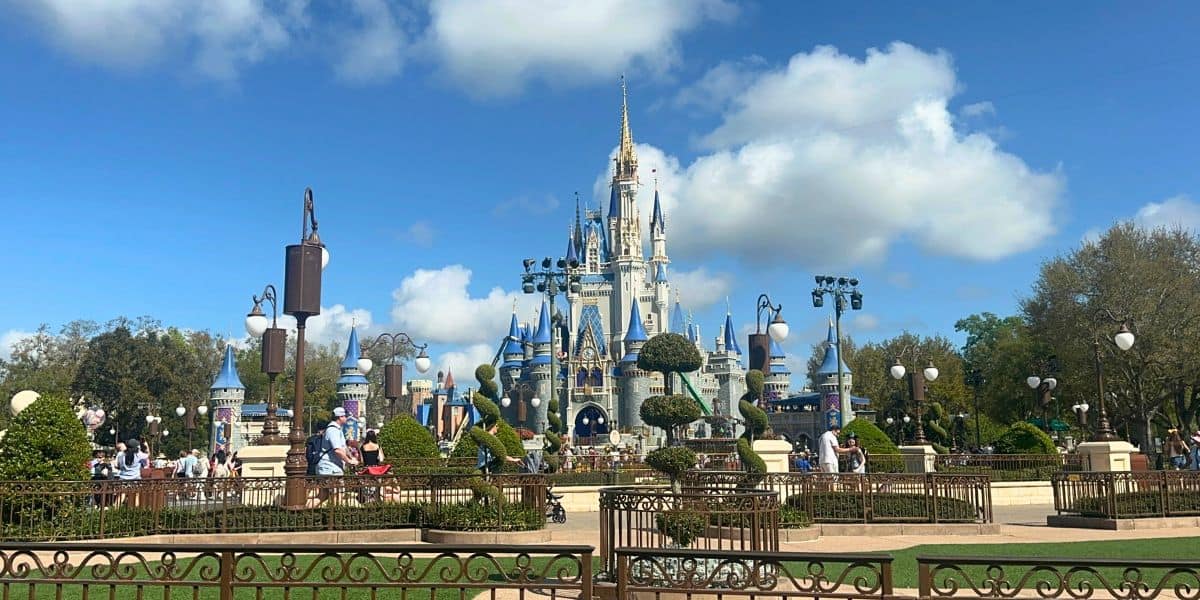
Cinderella Castle has been receiving visual updates, shedding its 50th-anniversary pink and gold color scheme for a more classic gray and blue look, while new signage and aesthetic refreshes have appeared in other areas of the park, addressing wear and updating elements that no longer meet current standards.
Beyond those cosmetic improvements, much larger developments are also taking shape as the former Rivers of America area is being prepared for major expansion that will introduce Piston Peak National Park themed to the Cars franchise, while Disney has confirmed plans for a massive Villains land that the company reportedly intends to make even larger than originally planned.
Meanwhile, Big Thunder Mountain Railroad is also undergoing significant reimagining, with Disney expected to reveal more details about its reopening timeline in the future, creating a situation in which Magic Kingdom faces both small infrastructure projects and massive expansion construction at the same time.
Against that backdrop of large construction projects and major announcements, it is easy to overlook smaller updates like restroom refurbishments and sidewalk repairs, but these changes are part of the same effort to keep Magic Kingdom evolving while still honoring the classic charm that makes the park special to generations of visitors who return seeking nostalgic experiences from their childhoods.
Small Disney Changes Guests Notice
For frequent visitors these kinds of updates rarely go unnoticed as guests often develop routines when visiting Magic Kingdom, knowing where to grab a snack, where to find a quiet corner to sit, and even which restrooms are easiest to access during a busy day.
When those familiar locations suddenly reopen with different appearance or when sidewalks get covered with temporary boards during refurbishment, it becomes instant talking point among fans who notice every change to environments they have memorized through repeated visits.
Restrooms Near Casey’s Corner Finally Reopen After Long Refurbishment https://t.co/XS238tEZim
— Chip and Company (@4chipandcompany) March 8, 2026
The updated Main Street, U.S.A. restrooms near Casey’s Corner are already generating conversation among parkgoers who appreciate the refreshed design and the thoughtful nods to the surrounding theme, while the sidewalk refurbishment outside Crystal Arts signals ongoing work to maintain pavement that has supported 54 years of foot traffic.
While these refurbishments may not rival the excitement of brand-new attractions, they represent something equally important: Disney’s commitment to maintaining the details that keep the park feeling polished and immersive, rather than allowing infrastructure to deteriorate.
For a place as beloved as Magic Kingdom even the smallest improvements can make noticeable difference in overall experience, though the constant construction also creates frustration among guests who visit seeking escape from real-world maintenance and construction only to encounter temporary boards, scoring in pavement, and construction barriers on the street meant to represent idealized version of early 1900s America.
The 54-Year-Old Disney Street
Main Street, U.S.A. opened with Magic Kingdom on October 1, 1971 and has served as the entry corridor and gathering space for Magic Kingdom guests across 54 years, creating deep emotional connections for visitors who have parade memories, fireworks viewing experiences, and family photos taken against backdrop of Victorian storefronts and carefully maintained turn-of-the-century theming.
The street represents Walt Disney’s idealized vision of small-town America based on his childhood memories of Marceline, Missouri, creating environment that prioritizes nostalgia, charm, and timeless appeal over contemporary design trends.