
 Credit: Disney
For the better part of a decade, The Walt Disney Company followed a predictable, albeit lucrative, blueprint: take a beloved animated classic, apply a coat of high-definition “live-action” paint, and wait for the billion-dollar box office returns. From The Lion King to The Little Mermaid, the “remake machine” was the undisputed engine of the studio.

However, as we move through March 2026, the winds of change in Burbank aren’t just blowing—they are howling. The era of the shot-for-shot remake is officially over, replaced by a more surgical, character-driven strategy overseen by Disney Entertainment Co-Chairman Dana Walden.
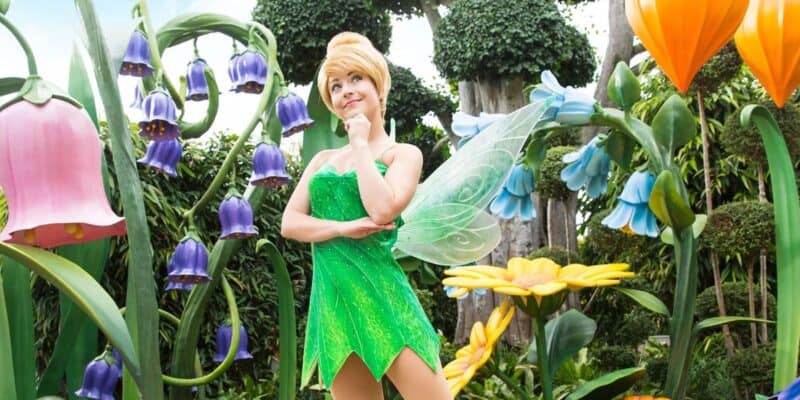
The most significant signal of this new direction came this week with two major developments: the shocking cancellation of long-gestating projects like Robin Hood and Bambi, and the official greenlight of Tink, a high-budget live-action series for Disney+ centered on the studio’s most iconic fairy.
The Walden Purge: Why ‘Robin Hood’ and ‘Bambi’ Fell Short
To understand why Disney is betting big on a Tinker Bell series, we must first look at what they are leaving behind. According to a report from Inside the Magic, Dana Walden has spent her first months in her expanded role aggressively pruning the development slate.
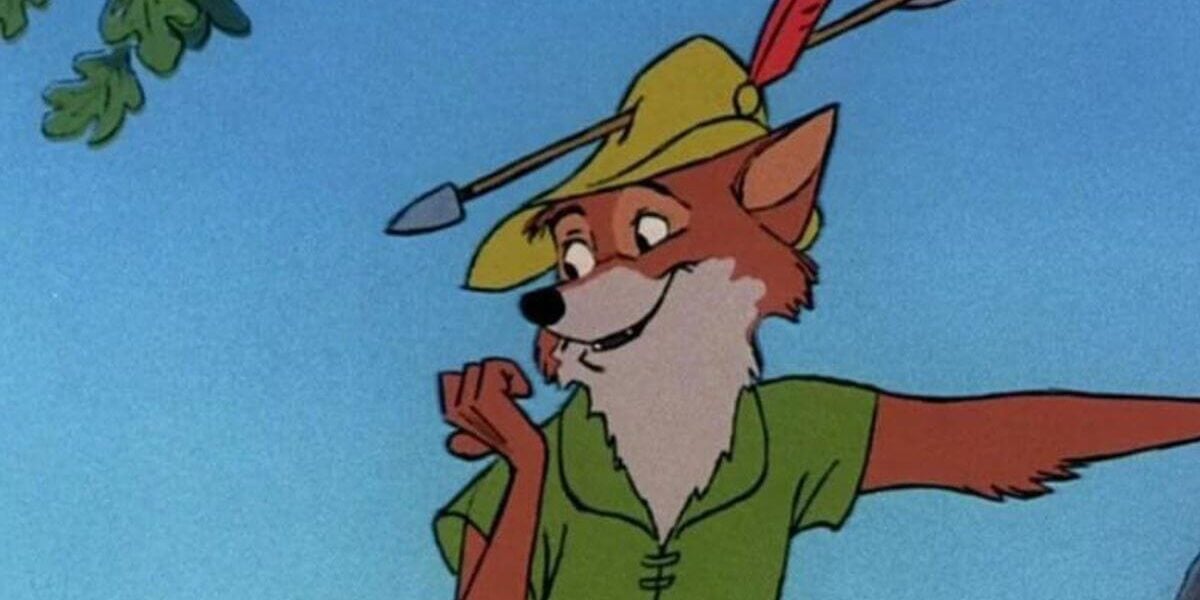
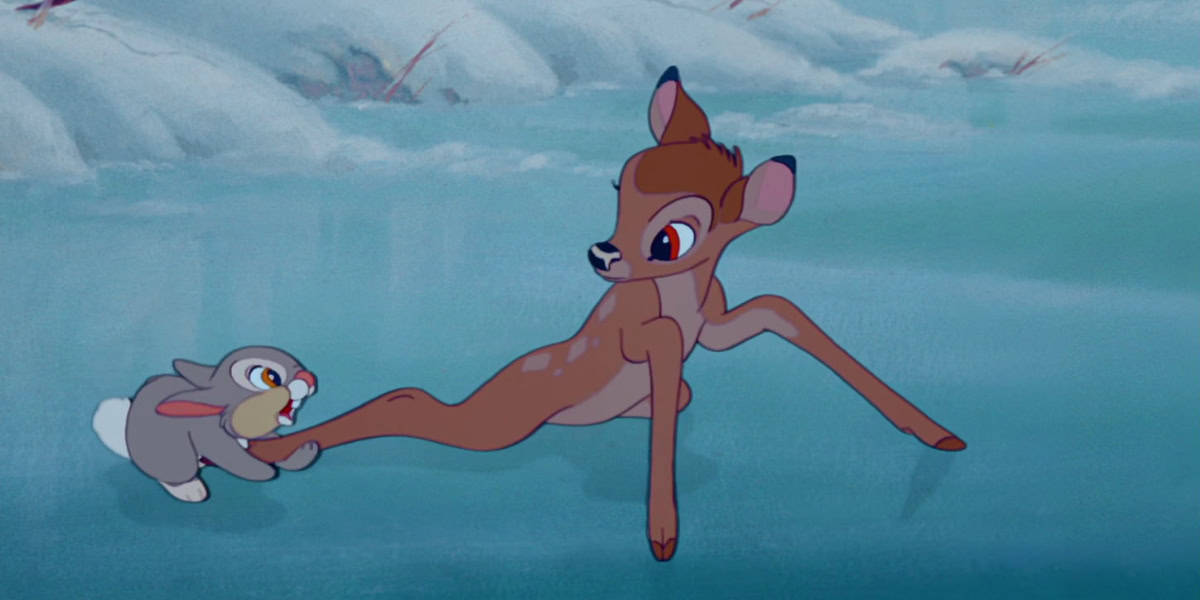
The live-action reimagining of Robin Hood, which was set to feature a blend of live-action and CGI anthropomorphic animals, has been scrapped just weeks after the studio quietly ended development on the Bambi remake. These weren’t just random cuts; they represent a fundamental shift in philosophy.
The “uncanny valley” critiques that plagued 2019’s The Lion King and Pinocchio finally reached a breaking point. Insiders suggest that Walden is moving Disney away from “content for content’s sake” and toward projects that offer a genuine creative purpose. If a remake doesn’t offer a fresh perspective or a deeper emotional resonance than the original, it no longer has a home at the Mouse House. Walden’s mantra is clear: Quality over quantity.
Enter ‘Tink’: A Live-Action Series with a New Mission
While the “Standard Remake” is dying, the “Character Expansion” is being born. According to Deadline, Disney has officially moved forward with Tink. This live-action series shifts the focus from the boy who wouldn’t grow up to the feisty, silent sidekick who has been a symbol of Disney magic for 70 years.

Unlike the recent Peter Pan & Wendy film, which debuted on Disney+ to mixed reviews, Tink is being developed as a long-form origin story. This isn’t just a two-hour retelling of the 1953 film; it is a world-building exercise that explores the internal politics of Neverland, the origins of fairy dust, and Tinker Bell’s own complicated journey before she met the Lost Boys.
By choosing a series format over a feature film, Disney is signalling a reimagining of the live-action genre. The studio is moving toward the “prestige television” model—think The Mandalorian or Andor—where characters are given room to breathe, grow, and fail over several episodes rather than being rushed through a familiar plot.
Why Tinker Bell is the Perfect Pivot
Tinker Bell is the ideal bridge between Disney’s past and its future. She is a powerhouse of “merch-ability” and brand recognition, yet her character in the animated canon is relatively thin—defined mostly by her jealousy and her devotion to Peter.

By reimagining her in a live-action series, Disney can do what it attempted with Maleficent and Cruella: give a familiar face a soul. However, by doing this in a series format, they avoid the “origin movie” tropes that have begun to fatigue audiences. Tink allows Disney to tap into the high-fantasy genre, potentially attracting an older “YA” (Young Adult) audience that grew up on Once Upon a Time while keeping the brand’s core family demographic.
Reimagining the Genre: From Remakes to Universes
The shift from Bambi (a story everyone knows) to Tink (a character expansion) highlights a broader industry trend. In 2026, a recognizable name is no longer enough to guarantee a hit. Audiences want expansion, not repetition.
Dana Walden’s strategy appears to be the “HBO-ification” of Disney’s live-action brands. By cutting the “filler” projects like Robin Hood, the studio is freeing up massive amounts of capital to invest in high-fidelity, long-form storytelling. This move addresses three major challenges Disney has faced in recent years:
- Subscription Retention: A feature film provides one night of entertainment. A six-to-eight-episode series like Tink keeps subscribers engaged for two months.
- Creative Fatigue: Filmmakers are increasingly hesitant to sign on for shot-for-shot remakes. A project like Tink offers the creative freedom of a new world while staying within the safety of established IP.
- The CGI Problem: By focusing on the “Fairy World,” Disney can lean into a more stylized, fantastical aesthetic that avoids the “creepy realism” of CGI deer or foxes.
A New Era for Disney Films
The cancellation of the live-action Robin Hood and Bambi may hurt nostalgic fans in the short term, but it is a necessary evolution. Disney is finally acknowledging that their library of animated masterpieces is a legacy to be protected, not just a catalog to be mined.

If Tink succeeds, it will likely serve as the template for Disney Entertainment over the next decade. We can expect fewer remakes of “The Big Hits” and more deep dives into the side characters and lore of the Disney vault. Imagine a series centered on the Muses from Hercules or an epic exploration of the various kingdoms in Sleeping Beauty.
Dana Walden is betting that the future of Disney magic isn’t found in looking back at what has already been done, but in looking sideways at the stories that were never told. As the Deadline report suggests, Tink is just the beginning. Disney is once again learning to fly, and this time, they’re doing it with a little more fairy dust and a lot more creative integrity.