
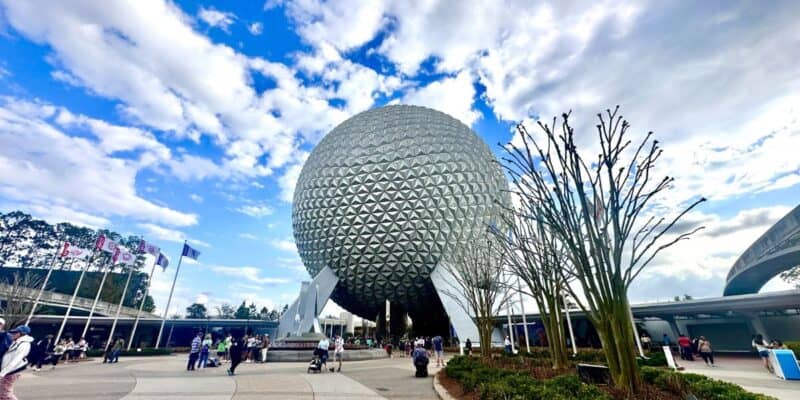
 Credit: Erica Lauren, Inside the Magic
Theme park guest behavior has evolved significantly over the past decade, shaped by social media’s influence on how people document experiences and seek moments worth sharing online. What once would have been private poor decisions now regularly become viral content as guests film themselves or others violating park rules for attention, validation, or simply without considering consequences beyond the immediate moment.

Disney parks face unique challenges managing guest conduct because their carefully designed environments invite immersion and exploration while simultaneously requiring strict boundaries to protect both themed integrity and guest safety.
Water features throughout Walt Disney World serve aesthetic and atmospheric purposes, creating sensory experiences that transport visitors to different places and times, but they’re not designed for guest contact and often contain chemicals, equipment, or conditions that make interaction dangerous or damaging.
The tension between wanting to touch, experience, and photograph Disney’s beautifully crafted environments and respecting the boundaries necessary to preserve those environments for everyone creates ongoing friction that manifests in incidents where guests cross literal and figurative lines.
EPCOT’s World Showcase presents particular temptations because its pavilions recreate international destinations with such authenticity and beauty that guests sometimes forget they’re in a theme park rather than the actual countries represented, leading to behaviors they might attempt at real waterfalls, gardens, or historic sites without considering that Disney’s recreations require protection impossible to maintain if everyone treated them as personal playgrounds.
A viral video shows an EPCOT guest entering the restricted Victoria Gardens area at the Canada Pavilion and making contact with the stream water, highlighting ongoing challenges Disney faces with guests ignoring posted boundaries and safety barriers. Cast Members and security responded quickly to address the situation without major disruption to other guests’ experiences.
The Incident at Victoria Gardens
Instagram user @therideview (Jonathan) captured video of a guest who had climbed into the restricted Victoria Gardens area at EPCOT’s Canada Pavilion. The footage shows the individual dipping their hands and feet into the stream water after apparently removing one shoe to make contact with the water. Seems like some people will do anything when they have a fascination with feet.
View this post on Instagram
The Victoria Gardens feature provides scenic beauty for Canada Pavilion guests, with carefully landscaped areas surrounding a stream that flows through the themed environment. Guests can enjoy views of the gardens from designated walkways and bridges designed to provide safe vantage points without requiring entry into restricted zones.
According to Jonathan’s account, Cast Members and security personnel responded quickly once they became aware of the guest’s unauthorized entry. The situation was resolved without creating major disruption for other guests visiting the pavilion, though the incident was recorded and subsequently shared across social media platforms.
Restricted Area Violations
Jumping over railings and entering restricted areas at Walt Disney World is strictly prohibited under park rules. These boundaries exist for multiple reasons beyond simply preventing guest misbehavior.
Water features throughout Disney parks often contain treatment chemicals to maintain appearance and prevent algae growth. The chemicals safe for decorative water displays aren’t intended for human contact and can cause skin irritation or other reactions.
Additionally, areas not designed for guest access may contain hidden equipment, uneven surfaces, or other hazards that create injury risks. The stream at Victoria Gardens wasn’t built to support guest traffic, and entering the area could damage landscaping, disturb wildlife that inhabits the feature, or create safety issues for the violating guest and others who might attempt similar actions after seeing someone else do it.
Disney takes restricted area violations seriously because allowing such behavior would quickly degrade the carefully maintained environments that make the parks distinctive. If every guest who wanted to touch water features, climb on rockwork, or explore backstage areas did so, the themed experiences would deteriorate rapidly while safety incidents would inevitably increase.
Consequences for entering restricted areas can range from verbal warnings to removal from the park to permanent bans from Walt Disney World Resort depending on the severity of the violation and the guest’s response when confronted. Repeat offenders or those who resist Cast Member direction face harsher penalties than first-time violators who immediately comply when asked to exit restricted zones.
Pattern of Water Feature Violations
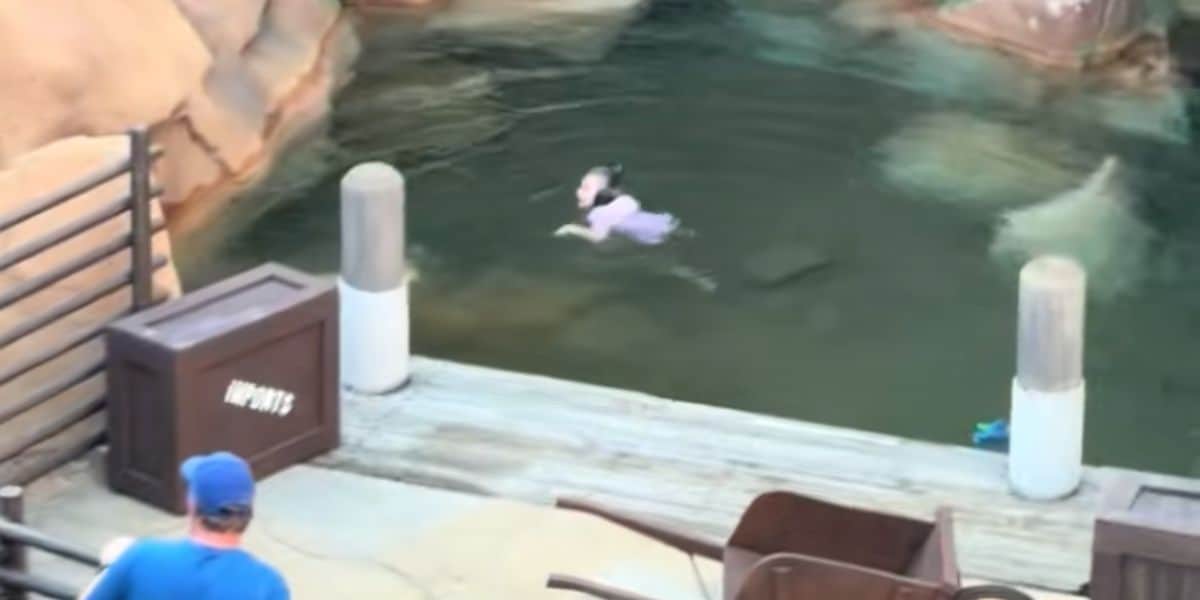
The Canada Pavilion incident represents part of a broader pattern of guests making unauthorized contact with Disney water features. A 2023 incident captured on video showed a guest jumping off a bridge into water at EPCOT’s World Showcase, demonstrating that some visitors are willing to violate obvious boundaries for reasons ranging from social media content to simple recklessness.
@disfamilyadventures Idiot Jumps Off The Bridge At Epcot for a bet !! hope it was worth it !! . . #Disney #stupidity #stupidpeople #epcot #disneycommunity #idiot #kickedoutofdisney ♬ original sound – DisFamily Adventures
These violations create multiple problems beyond the immediate safety and rule-breaking concerns. Other guests, particularly children, witness the behavior and may attempt to replicate it, spreading the misconduct. Parents must explain to confused kids why someone is allowed to do something clearly prohibited, undermining the authority of posted rules and Cast Member instructions.
Social media amplifies the issue by turning violations into content that receives attention and engagement, potentially encouraging copycat behavior from viewers who see the posts and decide to attempt similar stunts during their own visits. While many commenters on these videos criticize the behavior, the visibility itself can inspire others to push boundaries.
Recent EPCOT Behavior Issues
The Canada Pavilion incident occurred against a backdrop of other recent guest behavior problems at EPCOT.
That incident, which occurred during a cold snap in Central Florida, sparked discussions about whether weather, crowds, stress, or broader social changes have contributed to increased friction and reduced courtesy in Disney parks. Multiple social media commenters described similar experiences witnessing confrontational behavior across Walt Disney World in recent months.
While the Canada Pavilion water contact and the verbal argument represent different types of rule violations, both reflect challenges Disney faces maintaining the atmosphere and guest conduct standards that have historically defined the Disney parks experience.
Whether these incidents indicate genuine increases in problematic behavior or simply increased documentation and sharing of behaviors that have always occurred remains debatable, but the visibility of such moments affects how guests perceive park environments and safety.
Why Rules Exist
Disney’s extensive rulebook governing guest behavior isn’t arbitrary or designed to prevent fun. The rules exist to protect guests, Cast Members, and the themed environments that make Disney parks worth visiting. Water features provide beautiful atmospheric elements that enhance World Showcase pavilions, but they require boundaries to remain beautiful and functional.
Allowing guests to wade in streams, touch fountain water, or swim in decorative ponds would quickly degrade water quality, damage equipment, and create safety hazards. The magic of Disney environments depends on everyone respecting boundaries that allow those environments to be maintained and enjoyed by all rather than exploited by individuals seeking personal experiences at the expense of the collective good.
Cast Members work constantly to maintain the standards that make Disney parks special, but their efforts require guest cooperation. When individuals decide rules don’t apply to them, they force Cast Members to spend time addressing violations rather than enhancing experiences for compliant guests.
Setting Examples
Beyond rules and consequences, guest behavior at Disney parks ultimately reflects personal choices about what kind of example to set for others, particularly children who observe and learn from adult actions. Climbing into restricted areas to touch water features demonstrates to watching kids that boundaries are optional and that seeking personal gratification trumps respecting shared spaces.
Conversely, following rules even when they’re inconvenient, respecting boundaries even when enforcement isn’t immediately visible, and treating Cast Members with courtesy when they ask you to comply shows children that rules matter and that consideration for others shapes how we behave in public spaces.
If you see someone violating obvious rules at Disney parks, don’t feel obligated to confront them directly since that can create additional problems, but definitely alert the nearest Cast Member so trained personnel can address the situation appropriately.
And obviously, don’t let your own desire for unique photos or experiences lead you to jump barriers, touch restricted areas, or otherwise break clearly posted rules because the temporary thrill or social media content isn’t worth getting banned from Disney World or setting terrible examples for everyone watching you make bad decisions.