
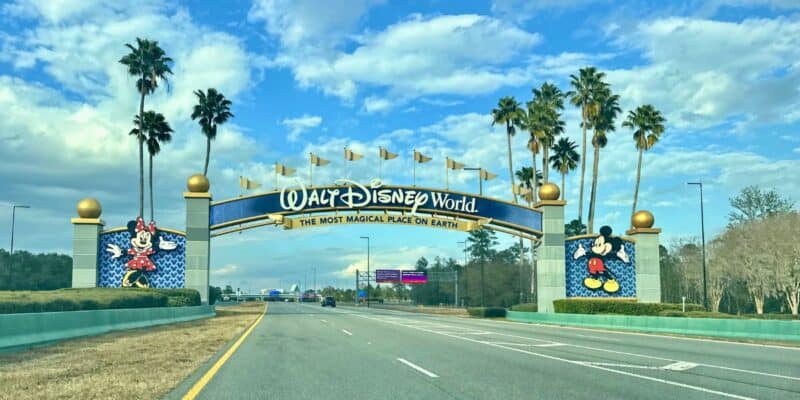
 Credit: Erica Lauren, Inside the Magic
Waymo launched its autonomous ride-hailing service in Orlando on February 24, 2026, covering Universal Orlando Resort, parts of Walt Disney World, and Orlando International Airport. This expansion makes Orlando one of 10 metro areas where Waymo operates fully self-driving vehicles. The service arrives as Waymo seeks to scale operations to over one million rides per week by the end of 2026, transforming mobility for visitors who previously relied on rental cars and ride-sharing services.
Orlando’s heavy tourist traffic, complex road systems, and unpredictable weather present challenges for the technology. Waymo’s vehicles use cameras, radar, lidar sensors, and AI for navigation, aiming to reduce crashes caused by human error and improve mobility for those unable to drive..
How the Rollout Works
Waymo is taking a measured approach to the Orlando launch, gradually expanding service areas, rider access, and operational capabilities over time rather than immediately flooding the market with thousands of autonomous vehicles. Riders who have downloaded the Waymo app will receive invitations to take local rides on a rolling basis to ensure a seamless launch as Waymo scales operations ahead of opening the service to everyone later in 2026. This phased approach allows Waymo to evaluate performance, build public confidence in the technology, and address any operational challenges that emerge in Orlando’s specific environment before committing to unrestricted availability.

Tekedra Mawakana, co-CEO of Waymo, stated that the company is serving more riders than ever and is on track to serve over one million rides per week by the end of 2026. She described Dallas, Houston, San Antonio, and Orlando as critical to Waymo’s plans as the company lays groundwork for service in over 20 cities, noting that each community has unique charm and transportation needs and expressing eagerness to provide a safe, reliable, and magical way for locals and visitors to travel.
Orlando Mayor Buddy Dyer welcomed the launch, noting the city has been working with Waymo for several months to make the announcement possible. He described the commercial service launch as another example of Orlando’s forward thinking and commitment to innovation, emphasizing that residents now have another option to safely move about the area while visitors will be welcomed with world-class mobility they deserve.
What This Means for Orlando Theme Park Visitors
The addition of Universal Orlando Resort and parts of Walt Disney World Resort to Waymo’s Orlando service map could change how tourists navigate Central Florida’s theme parks. Visitors at off-property hotels could use Waymo for easier access to parks, reducing parking costs and concerns about driving after long days. Autonomous vehicles could offer consistent transportation, especially during peak times.
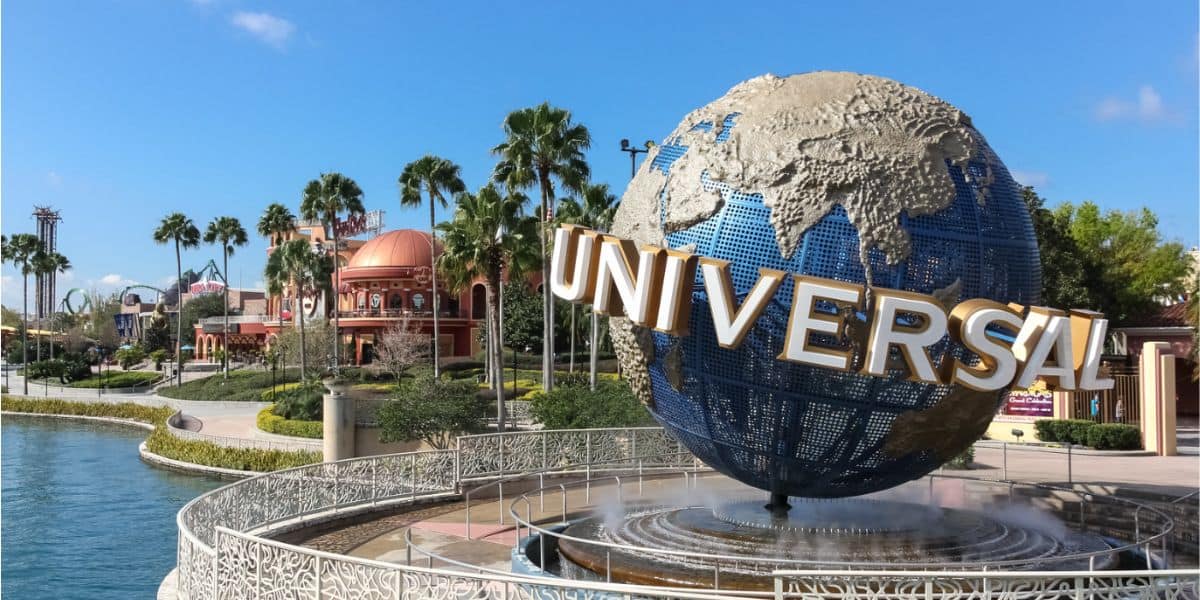
However, Waymo’s limited coverage at Disney World may restrict access to some hotels and parks, whereas Universal’s smaller size makes full coverage more likely. Including Orlando International Airport enables visitors to use Waymo for airport transfers, potentially competing on price with shuttles and taxis. Competitive pricing will be key to attracting cost-conscious tourists.
Safety and Regulatory Questions
The rise of driverless vehicles brings ongoing questions about safety, regulation, and accountability. Key issues include liability in crashes, insurance, interaction with law enforcement, and the technology’s response to severe weather. Florida is a leader in testing these technologies, but wider adoption will necessitate updates to state and local laws.
For Central Florida residents and theme park workers, the presence of autonomous vehicles signifies a major shift from theory to reality. Drivers may see cars without anyone behind the wheel navigating traffic and intersections, which can feel unsettling, despite Waymo’s positive safety record elsewhere.
Supporters argue that autonomous systems reduce human errors like distraction and fatigue, while opponents worry about the technology’s ability to handle unexpected situations. Both viewpoints are valid, and the Orlando rollout will offer valuable insights into how autonomous vehicles perform in Central Florida’s unique environment.
Accessibility and Orlando Community Partnerships
Waymo is working closely with Lighthouse Central Florida, an organization that empowers individuals with vision loss to lead independent and fulfilling lives, to ensure the service meets diverse needs of residents. This partnership reflects recognition that autonomous vehicles could provide transformative mobility options for people with disabilities who face barriers using traditional transportation. Someone with vision loss who cannot drive could use Waymo to independently navigate Orlando without relying on friends, family, or paratransit services, creating autonomy and flexibility that fundamentally changes quality of life.
The accessibility implications extend beyond vision loss to include people with other disabilities, elderly residents who can no longer safely drive, and anyone who lacks access to personal vehicles. If autonomous ride-hailing proves reliable and affordable, it could address transportation deserts where public transit options are limited and car ownership creates financial barriers.
The Gradual Expansion Timeline
Waymo’s stated intention to open service to everyone later in 2026 suggests the current invitation-only rollout represents just the beginning of autonomous vehicle presence in Orlando. As the company evaluates performance and increases rider availability throughout 2026, the service will become more visible and accessible, potentially reaching a point where autonomous vehicles are a common sight on Orlando roads rather than occasional novelties.

The expansion toward service in over 20 cities indicates Waymo views Orlando as part of a much larger autonomous vehicle deployment rather than an isolated market. Success in Orlando, with its unique combination of tourism traffic and local commuters, could provide operational learnings that inform how Waymo approaches other tourist-heavy markets or cities with similar transportation challenges.
What Comes Next For Orlando
Transportation experts emphasize that public awareness and informed policy decisions will play critical roles in shaping how autonomous technology develops as vehicles become more integrated into daily life. The conversation about how these vehicles share roads with human drivers is just beginning, and Orlando’s experience will contribute to broader national discussions about autonomous vehicle regulation, safety standards, and societal acceptance.
For now, Central Florida has entered the autonomous era, and whether residents and visitors embrace or resist the technology will influence how quickly it becomes normalized rather than controversial. Theme park tourists may soon find that booking a driverless Waymo to Universal or Disney feels as routine as ordering an Uber did when that technology first disrupted traditional taxi services a decade ago.
Will you use Waymo to travel to Orlando theme parks, or do you prefer traditional transportation with human drivers?