 3
3
 Credit: Lucasfilm
There’s a strange tension hanging over the Star Wars universe right now. On the surface, everything looks busy—new shows, new characters, and another theatrical release finally on the calendar. But behind the scenes, that momentum may not be as steady as it seems. A highly anticipated Star Wars movie is reportedly facing an uncertain future, and the decision on whether it survives may come down to a single, very risky test. Fans can feel it. Something big is being weighed, and not all roads forward look guaranteed anymore.
That unease matters because Star Wars has always been more than just another franchise. Every move it makes sends ripples through pop culture, especially when Disney starts rethinking what belongs on the big screen and what might not.
From Movie Event to Cultural Machine
Before getting into what’s reportedly at risk, it’s worth stepping back and remembering how massive Star Wars has become. What started in 1977 as Star Wars: Episode IV – A New Hope (1977) grew into a multi-generational phenomenon. The original trilogy defined blockbuster filmmaking. The prequels expanded the mythology. The sequel trilogy tried to bridge old and new audiences, with mixed reactions along the way.
Then Disney took the galaxy even further. Star Wars moved beyond theaters and became an ecosystem. Television series flourished on Disney+. Theme park lands appeared. LEGO sets filled toy aisles. Animated shows, novels, comics, and collectibles made the franchise feel ever-present rather than event-based.
That shift changed how Lucasfilm tells stories. Movies used to be the centerpiece. Now, streaming series often carry the emotional weight. And that evolution sets the stage for why one Disney+ storyline may now determine the future of Star Wars movies altogether.

When Streaming Success Starts Steering the Movies
Disney’s strategy over the past few years leaned heavily into Disney+ as the heartbeat of Star Wars. Series like The Mandalorian helped rebuild trust after divisive reactions to films. Viewers embraced weekly episodes, character-driven arcs, and a slower burn that movies rarely allow.
But that success created a new problem. When streaming becomes the safest bet, theatrical releases suddenly feel like gambles. Lucasfilm now faces a moment where a Disney+–born storyline must prove it can still carry a blockbuster release. If it can’t, the studio may rethink whether certain Star Wars stories belong in theaters at all.
That’s where the pressure begins to mount.
The Mandalorian and Grogu (2026)
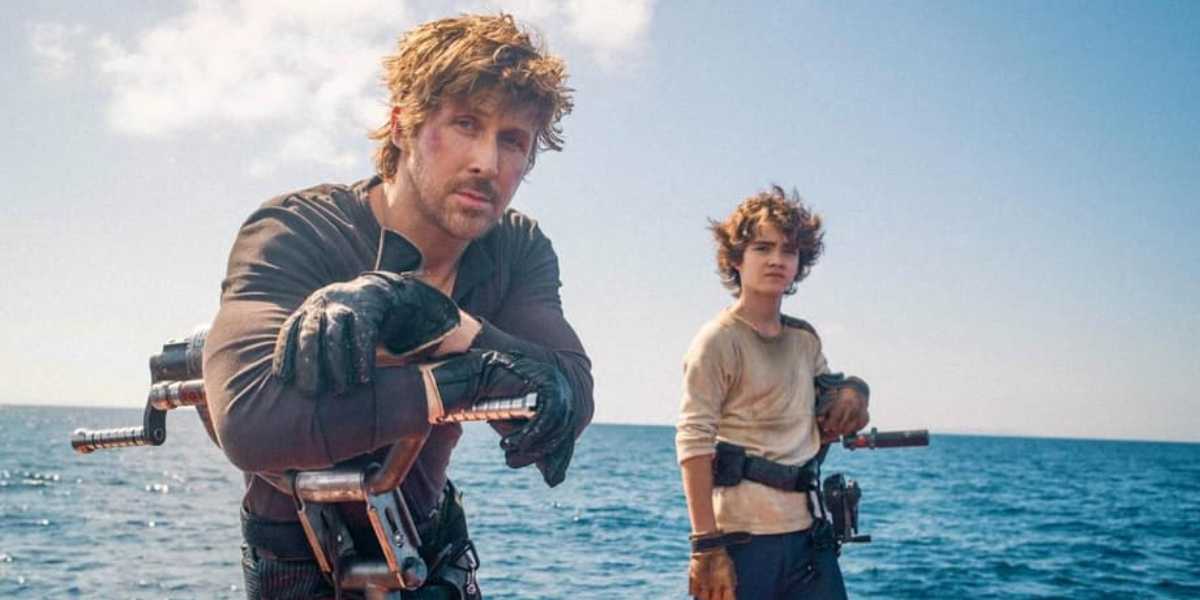
All eyes now turn to The Mandalorian and Grogu (2026), which is set to bring the beloved duo from streaming to theaters over Memorial Day weekend. This movie represents more than a continuation of a popular series. It’s a test of whether the “MandoVerse” can survive outside the comfort of Disney+.
After three seasons of The Mandalorian, audiences know Din Djarin and Grogu intimately. That familiarity cuts both ways. Fans love them, but casual moviegoers may wonder whether this story feels essential enough to justify a theater ticket instead of waiting for a streaming release.
Lucasfilm understands the stakes. A strong box office performance could reaffirm confidence in theatrical Star Wars. A weak showing could trigger a dramatic pivot.

A Major Film Suddenly on Shaky Ground
According to industry chatter, the consequences of a disappointing performance could be immediate. The planned Heir to the Empire project—long positioned as a major crossover event tying together The Mandalorian, The Book of Boba Fett, and Ahsoka—may no longer be guaranteed a theatrical release.
Instead, the project could be reworked into a limited series for Disney+. While that might sound harmless on paper, the implications are massive. This storyline was designed as a culmination of the New Republic era, a cinematic payoff to years of interconnected storytelling.
Turning that finale into a series wouldn’t just be a format change. It would signal that Lucasfilm no longer trusts the Mando-era narrative to anchor major theatrical events. For fans who expected an actual big-screen moment, that would feel like a quiet downgrade.
Leadership Changes and a Shifting Creative Compass
These rumors land at an especially sensitive time for Lucasfilm. With Dave Filoni now serving as president and chief creative officer, he oversees the franchise’s future. Filoni has deep roots in animated and streaming storytelling, and his creative instincts often favor long-form arcs over standalone spectacles.
At the same time, reports suggest the crossover film has already been pushed aside internally. That delay, paired with Filoni’s expanded responsibilities, fuels speculation that Lucasfilm may be rethinking its priorities altogether.
If the studio steps back from the Mando-era, it wouldn’t be the first time Star Wars quietly changed course.
Other Star Wars Movies Waiting in the Wings
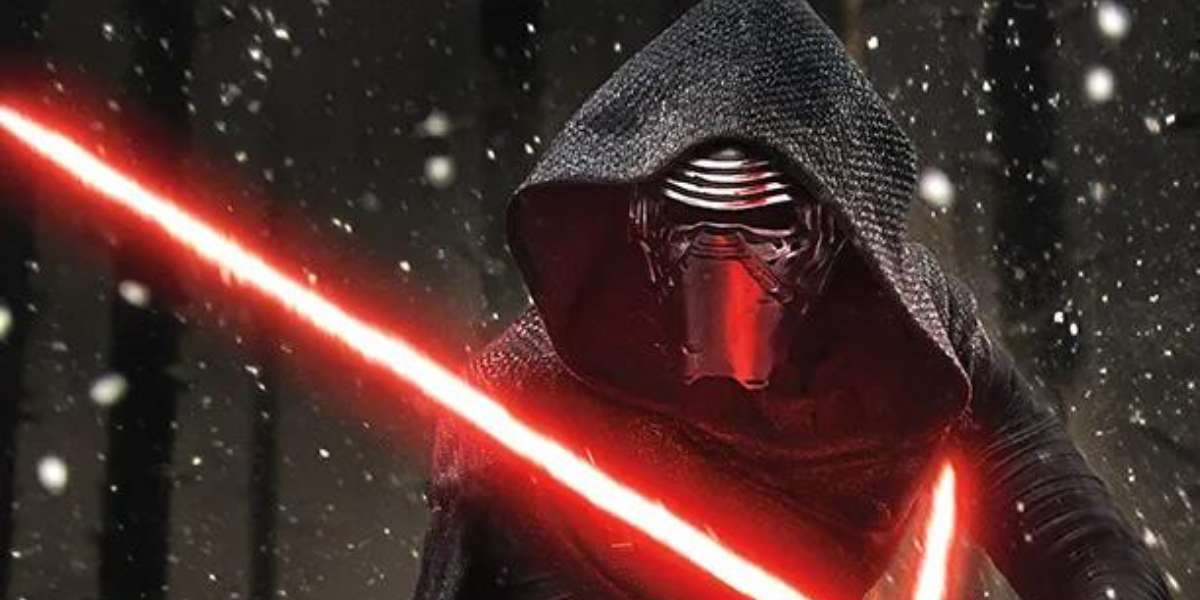
While one corner of the galaxy faces uncertainty, others may be moving forward. Projects like Shawn Levy’s Star Wars: Starfighter (2027), set after Star Wars: Episode IX – The Rise of Skywalker (2019), appear increasingly crucial to Disney’s long-term plans. A post-sequel timeline offers creative distance from ongoing debates around legacy characters. There’s also growing belief that Simon Kinberg’s proposed Star Wars trilogy could jump ahead in the production line.
A fresh trilogy allows Lucasfilm to reset expectations, free from the baggage of streaming crossovers and interconnected series finales. If that happens, it would suggest the future of Star Wars movies may drift entirely away from Disney+ roots.

How The Mandalorian and Grogu Could Miss the Mark
None of this means failure is inevitable—but the risks are real. Franchise fatigue looms large. Some viewers feel overwhelmed by the amount of Star Wars content already available. Others may struggle to see why this story demands a theatrical experience.
There’s also the challenge of tone. What works beautifully in episodic form doesn’t always translate to a two-hour movie. If the film feels like an extended episode instead of a cinematic event, audiences may respond accordingly.
Box office success depends on urgency. And urgency is harder to manufacture when viewers expect everything to land on Disney+ eventually.
A Franchise at a Crossroads
For decades, Star Wars thrived on certainty. Movies were events. Release dates felt monumental. Now, the franchise stands at a crossroads shaped by streaming habits, shifting leadership, and changing audience expectations.
If The Mandalorian and Grogu (2026) succeeds, it could keep the Mando-era alive on the big screen and preserve ambitious crossover plans. If it stumbles, Lucasfilm may quietly close that chapter and chart a very different future.
Either way, the galaxy far, far away is entering one of its most consequential moments yet—and fans will be watching closely to see which path Disney chooses next.