 1
1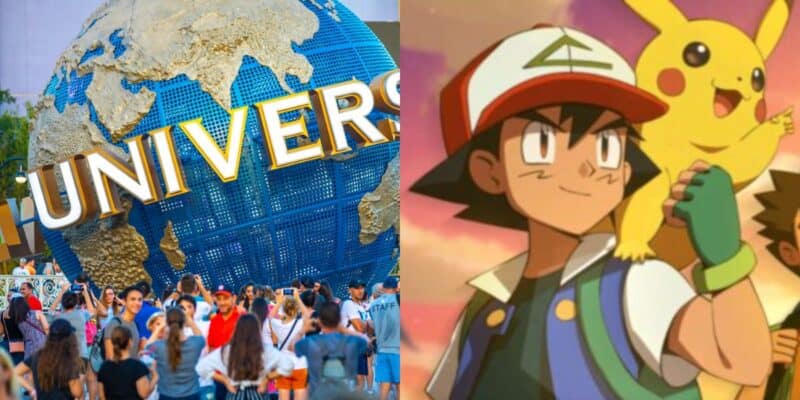
 Credit: Thomas Hawk, Flickr / The Pokemon Compant=y
Universal has officially taken its most significant step yet toward bringing Pokémon into its theme parks. This isn’t a rumor, a leak, or a hopeful read between the lines. Pokémon is now formally part of Universal’s long-term theme park plans, marking a significant shift in how the company approaches one of the most recognizable franchises in the world.
While the full scope hasn’t been revealed yet, this move alone signals that Pokémon is no longer a limited-time collaboration—it’s becoming a permanent pillar of Universal’s future.
What makes this moment especially interesting is how deliberate it feels. Universal isn’t rushing. Instead, it’s laying groundwork, testing ideas elsewhere, and letting the story unfold piece by piece. And as more details come into focus, the direction Universal is heading becomes increasingly apparent.
Nintendo’s Arrival Changed Everything at Epic Universe
To understand why Pokémon now feels like a natural next step, you have to look at what Universal has already accomplished. The arrival of Nintendo at Epic Universe wasn’t just another land opening. It was a proof of concept. Universal demonstrated that it could translate a beloved gaming brand into a fully immersive, story-driven environment that works for families, longtime fans, and casual visitors alike.
That success gave Universal credibility in the gaming space. It showed the company knows how to respect source material while still delivering theme park spectacle. Pokémon demands the same level of care, and Universal has already demonstrated it can provide it. Once Nintendo worked, the door opened for something even bigger.

An Old Land Saying Goodbye
Over at Islands of Adventure, changes have been unfolding quietly but steadily. The Lost Continent, once positioned as a sweeping land of myths and legends, has slowly been stripped of its original purpose. Attractions have closed. Live entertainment disappeared. What remains feels transitional rather than permanent.
That matters because Universal has started making physical changes to the area. Demolition permits have been filed. Construction is already underway. Walls are up, and guest pathways have shifted. This doesn’t look like routine upkeep. It seems like preparation for something entirely new.
Given Islands of Adventure’s identity, replacing the Lost Continent makes sense. The park is built around immersive worlds tied to adventure, exploration, and discovery. That’s why speculation narrowed quickly to franchises that naturally fit that mold, with Pokémon consistently rising to the top.

A New Development Pushes Pokémon to the Front
The conversation changed significantly after The Pokémon Company announced plans to bring innovative, immersive, and large-scale Pokémon experiences into its partnership with Universal theme parks. The language used was telling. This wasn’t framed as a seasonal overlay or a limited event.
Instead, Pokémon outlined a vision focused on long-term, world-class experiences explicitly designed for theme parks. That distinction matters. Pokémon isn’t dipping a toe into themed entertainment. It’s committing to it.
And where that commitment is taking shape first offers a significant clue.

Pokémon’s First Permanent Theme Park Presence
Right now, Pokémon is officially expanding at Universal Studios Japan. Guests have already seen Pokémon characters appear during the park’s NO LIMIT! daytime parade featuring familiar faces like Pikachu, Charizard, and Lugia. At the moment, Pokémon occupies a single float, while the parade still focuses heavily on core Universal and Nintendo franchises.
The key difference now is permanence. Universal Studios Japan is moving beyond parade appearances and into more meaningful Pokémon experiences that are designed to last. This marks the first time Pokémon will have an ongoing presence in a theme park.
Universal often uses Japan as a testing ground for ambitious concepts. When something succeeds there, it rarely stays isolated for long.

Why This Likely Isn’t a One-Park Experiment
Although the announcement centered on Japan, Universal leadership hinted at a broader vision. Tak Murayama, Executive Vice President and General Manager at Universal Studios Japan, described the Pokémon initiative as a “global project.” That phrase alone reshaped expectations.
Global projects are designed to scale. Universal has followed this path before, refining ideas in one location before expanding them to other parks. Pokémon’s worldwide appeal makes it an ideal candidate for that strategy.
With its massive fanbase and built-in storytelling potential, Pokémon checks every box Universal looks for when planning long-term expansions.
Why Pokémon Fits Islands of Adventure So Naturally
Pokémon aligns almost perfectly with the core identity of Islands of Adventure. The franchise revolves around exploration, discovery, and building connections with creatures across varied environments. That theme mirrors the park’s original mission better than most modern franchises could.
There’s also the generational appeal. Pokémon connects with kids encountering it for the first time and adults who grew up trading cards and playing early games. That kind of crossover success is rare and incredibly valuable in a theme park setting.
From rides and interactive experiences to character encounters and merchandise, Pokémon offers flexibility without sacrificing immersion. A full land could anchor the park for years without feeling dated.
What This Means Going Forward
Nothing has been officially confirmed yet for Universal Orlando Resort. There’s no concept art, no timeline, and no formal announcement tying Pokémon to a specific land in Florida. But the trajectory is becoming increasingly difficult to ignore.
Universal has the partnerships. Construction is already happening. Pokémon is officially permanently entering the theme park world. When those elements come together, the next step feels less like a question of “if” and more a matter of “when.”
Universal doesn’t move this deliberately without a long-term plan. And while details may take time to emerge, one thing is clear: Pokémon is no longer on the outside of Universal’s theme park future. It’s moving firmly to the center.