 21
21
 Credit: Inside the Magic
Universal Orlando Resort is packed with some of the most thrilling attractions in the theme park world. From cutting-edge roller coasters to immersive 4D dark rides, it’s a destination built on big moments and adrenaline rushes. On the surface, it feels like there’s something for everyone.
But for many plus-size guests, that excitement comes with a frustrating catch.
Behind the thrills is a complex reality: a large portion of Universal’s most popular attractions were built in ways that physically prevent some guests from riding. And now, that issue has become impossible to ignore.
Before getting into the specifics, it’s essential to understand how this problem developed—and why it keeps happening.
A Growing Accessibility Problem Universal Hasn’t Solved
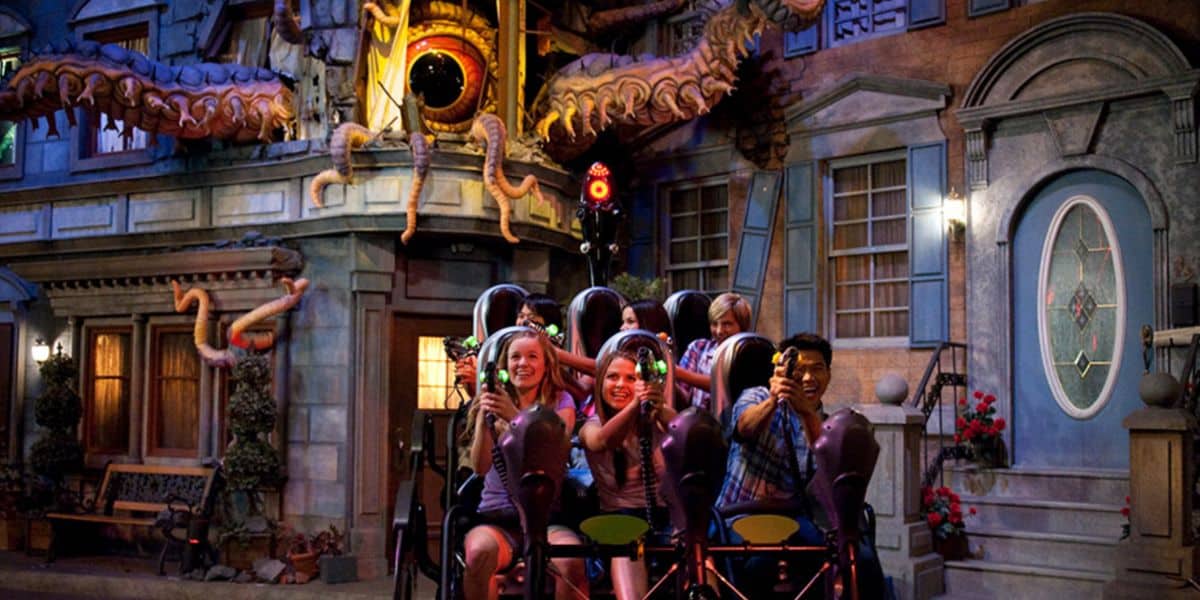
Universal has always leaned hard into intense ride systems. Over-the-shoulder restraints, tight lap bars, motorcycle-style seating, and test seats at attraction entrances have become the norm. While these designs are marketed as safety features, they consistently create barriers for guests of different shapes and sizes.
This issue most often occurs on roller coasters and large-scale 4D attractions, where ride vehicles prioritize compact seating and restrictive restraints. The result is a growing list of attractions where plus-size guests either can’t ride at all or face the stress of being turned away at the platform.
Universal hasn’t hidden these restrictions, but it hasn’t meaningfully addressed them either. Instead, the list keeps growing.

The Coasters That Set the Tone
Some of Universal’s most famous coasters are also among the least forgiving when it comes to ride access.
At Universal Studios Florida, Revenge of the Mummy uses tight lap bars and enclosed ride vehicles that can be uncomfortable or inaccessible for plus-size riders. Over at Islands of Adventure, Jurassic World VelociCoaster raises the bar even higher with slim seating and aggressive lap restraints that many guests never make it past.
Hagrid’s Magical Creatures Motorbike Adventure presents a different challenge entirely. Its motorcycle-and-sidecar seating leaves little margin for error, especially for riders on the bike’s side. The Incredible Hulk Coaster continues the trend with over-the-shoulder restraints that sit especially tight across the chest.
Even attractions designed for families aren’t immune. The High in the Sky Seuss Trolley Train Ride has surprisingly restrictive seating, catching many guests off guard.

Dark Rides and 4D Attractions With Tight Limits
Universal’s immersive dark rides often feel more accessible on paper, but in reality, they tell a different story.
Harry Potter and the Forbidden Journey is one of the most notorious examples. Its robotic arm seating system includes a test seat for a reason, and many plus-size guests never make it past that checkpoint. Over at Studios, Harry Potter and the Escape from Gringotts uses individual lap bars that can be just as unforgiving.
At Islands of Adventure, Doctor Doom’s Fearfall and Dudley Do-Right’s Ripsaw Falls add their own challenges, with restraints and seating that limit who can ride safely.
Pteranodon Flyers, often associated with children, have particular size and seating requirements that exclude many adults entirely.

Epic Universe Didn’t Fix the Problem
When Universal announced Epic Universe, many fans hoped the new park would mark a turning point. A blank slate meant new ride systems, modern accessibility standards, and a chance to rethink old design mistakes.
That hope didn’t last long.
Epic Universe continues the same patterns, and in some cases, makes the issue even more noticeable. Mine-Cart Madness uses compact ride vehicles inspired by classic coaster designs. Monsters Unchained and Harry Potter and the Battle at the Ministry rely on restraint systems similar to existing attractions with known size limitations.
The highly anticipated Stardust Racers and Curse of the Werewolf also follow restrictive ride designs. Add in Dragon Racer’s Rally and Hiccup’s Wing Gliders, and Epic Universe quickly becomes another park where plus-size guests face multiple “no” moments.
For a smaller park with fewer attractions overall, that exclusion feels even more significant.

The Emotional Toll Goes Beyond Missing a Ride
For many guests, the issue isn’t just about safety bars or seating dimensions. It’s about embarrassment, anxiety, and the feeling of being singled out in front of friends or family.
Test seats placed at attraction entrances send a clear message. So does being pulled aside at the platform. Over time, some guests stop trying altogether, planning entire trips around what they already know they can’t ride.
That reality clashes with Universal’s image as an inclusive, guest-focused destination.
Why This Conversation Isn’t Going Away
Universal hasn’t announced plans to redesign these attractions or significantly change its approach moving forward. Even brand-new rides continue to prioritize intensity over inclusivity.
As Epic Universe proves, this isn’t a legacy problem. It’s an ongoing design choice.
And with 17 attractions now effectively off-limits, more guests are starting to ask whether Universal is willing—or able—to change course.
A Conclusion Universal Can’t Ignore
Universal Orlando Resort delivers some of the most exciting attractions in the industry. That’s not up for debate. But excitement shouldn’t come at the cost of accessibility.
For plus-size guests, the message feels increasingly clear: many of Universal’s most significant experiences weren’t built with them in mind. Until that changes, the list of banned attractions will remain a painful reminder that thrill doesn’t always equal inclusion.