 1
1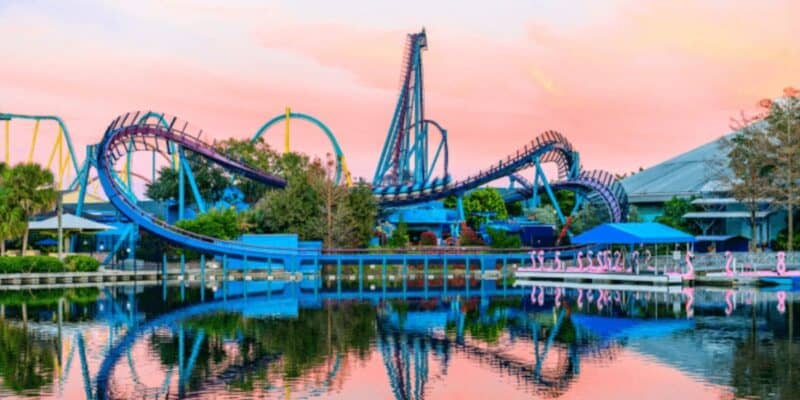
 Credit: SeaWorld
For decades, SeaWorld Orlando and its sister parks have carved out a unique place in the Central Florida theme park landscape. While Walt Disney World Resort and Universal Orlando Resort dominate conversations around immersive storytelling and blockbuster attractions, SeaWorld’s blend of animal encounters, thrill rides, and seasonal events has created a loyal fanbase of its own.
Guests visiting SeaWorld Orlando often expect a different kind of magic — one rooted in conservation messaging, live animal presentations, and increasingly ambitious coaster experiences. From holiday festivals to nighttime spectaculars, the park has remained a staple vacation stop for families seeking something beyond traditional theme park storytelling.
That expectation of reliability and wonder is exactly why even subtle shifts within the company behind these parks can spark concern among dedicated visitors. When longtime fans begin noticing quieter walkways, fluctuating crowd levels, or shifts in entertainment offerings, speculation tends to follow quickly across online communities.
A Quiet Unease Has Been Building Among Fans Watching Industry Trends Shift
Across Central Florida, the theme park industry has entered a period of rapid transformation. The Walt Disney Company continues investing heavily in park expansions and entertainment upgrades, while Universal Orlando Resort’s Epic Universe has introduced fresh competition and renewed destination interest.
Within this environment, smaller operators face the difficult task of maintaining visibility while also balancing rising operational costs and evolving guest expectations. Fans have noticed pricing adjustments, changing event calendars, and a stronger emphasis on festivals and limited-time offerings as parks attempt to stay competitive.
At SeaWorld Orlando in particular, longtime visitors have debated whether the park’s identity is shifting. The increased focus on thrill rides alongside conservation experiences has energized some guests while leaving others wondering how the balance will evolve. These discussions have quietly fueled a sense that something larger might be happening behind the scenes.

Industry Pressures and Unpredictable Conditions Have Reshaped Park Performance
The broader tourism landscape has also played a role in shaping attendance patterns across Florida. International visitation fluctuations, unpredictable weather during peak travel windows, and changing vacation spending habits have created challenges even for well-established destinations.
Seasonal travel disruptions and the ongoing competition for guest dollars mean parks must continually innovate to maintain momentum. Limited-time festivals, special ticket promotions, and strategic marketing campaigns have become increasingly important tools for driving visitation.
Against this backdrop, industry observers began watching financial indicators more closely, particularly for regional operators. While guests may not immediately notice these behind-the-scenes metrics, they often serve as early indicators of future park investments, entertainment changes, and expansion plans.

SeaWorld’s Parent Company Confirms Declining Attendance and Revenue Across Its Parks
United Parks & Resorts, the parent company of SeaWorld Orlando, reported declines in attendance, revenue, and net income for its most recent fiscal year ending in December. CEO Marc Swanson acknowledged the results fell short of expectations, citing uneven consumer conditions, reduced international tourism, and volatile weather during peak visitation periods.
Attendance dropped 1.8% to approximately 21.2 million visitors across the company’s 13 parks, which include Aquatica Orlando, Discovery Cove, and Busch Gardens Tampa Bay. Financially, total revenue reached $1.7 billion — a 3.6% decrease from the previous fiscal year — while net income fell 26% to $168.4 million.
Despite these declines, one encouraging indicator emerged: in-park per-capita spending increased by 1%, with a record-setting 2.1% rise in the fourth quarter. Swanson emphasized that guests continue to respond positively to park offerings and spend more when they visit, suggesting demand remains strong even as attendance fluctuates.
The company has already begun implementing cost-management adjustments and refining its investment strategy heading into 2026. Planned additions include SEAQuest: Legends of the Deep, an undersea dark ride coming to SeaWorld Orlando, and Lion & Hyena Ridge, a new animal habitat at Busch Gardens Tampa Bay.

Social Media Reactions Reveal Concern, Optimism, and Curiosity About What Comes Next
Theme park fans wasted no time reacting to the news across platforms like X and Reddit. Some expressed concern that declining attendance could lead to reduced entertainment offerings or fewer seasonal events, while others remained optimistic that new attractions would reinvigorate interest.
Several fans pointed to Epic Universe’s opening as a factor reshaping vacation planning, with travelers allocating more days to Universal Orlando Resort while adjusting time spent at other parks. Others highlighted the positive spending trends as evidence that loyal visitors are still deeply invested in the SeaWorld experience.
A recurring sentiment among commenters centered on anticipation. Many guests expressed excitement for upcoming attractions, noting that fresh experiences often serve as the strongest motivator for repeat visits.

Future Investments and Central Florida Growth May Reshape SeaWorld Orlando’s Next Chapter
Swanson emphasized that continued investment in attractions, events, and marketing will be critical for driving future attendance and guest spending. Discovery Cove bookings have reportedly increased, and additional SeaWorld Orlando enhancements remain unannounced, leaving room for speculation about what surprises may be ahead.
Interestingly, company leadership also views Epic Universe as a positive development for the broader Central Florida market. Increased tourism investment across the region could create more multi-park vacation planning, benefiting a wider range of destinations.
For travelers planning upcoming visits, the developments highlight an important reality: the theme park industry is more interconnected than ever. New attractions, shifting travel patterns, and evolving guest expectations can quickly reshape attendance trends across the entire region.
Whether this marks a temporary fluctuation or the start of a longer transformation remains to be seen. For now, fans are watching closely — hopeful that new experiences, expanded entertainment, and strategic investments will keep SeaWorld Orlando’s unique magic thriving.
What do you think? Are new attractions enough to draw you back to SeaWorld Orlando, or are shifting vacation priorities changing how you plan your theme park visits?