 2
2
 Credit: Inside the Magic
Transportation defines the Walt Disney World experience in ways that transcend simple logistics.
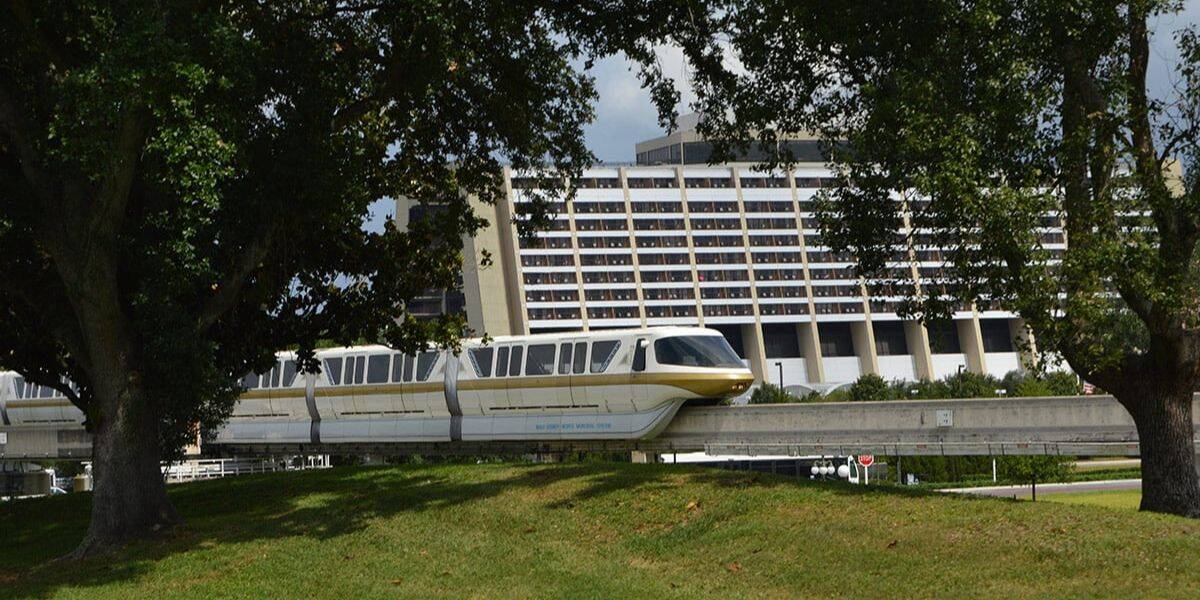
The journey from parking lot to park entrance isn’t merely functional movement between two points but rather the beginning of immersion into Disney’s carefully constructed world.
From the moment guests board boats gliding across shimmering lagoons, buses emblazoned with beloved characters, or the sleek monorail cars humming along elevated tracks, they’re transitioning from ordinary reality into the magic that defines a Disney vacation. The monorail system, in particular, occupies a special place in this transportation ecosystem.
Since opening day, the futuristic trains connecting Magic Kingdom, EPCOT, and select resort hotels have represented both practical necessity and nostalgic attraction.
Families return generation after generation, pointing out Cinderella Castle as it comes into view from the monorail windows, recreating memories their parents made decades earlier. The system operates so reliably that most guests never consider what happens when it fails, trusting implicitly that the monorail will deliver them to their destination just as it always has.
That trust was tested today when the Disney World monorail system experienced yet another breakdown, leaving guests without their primary transportation option to Magic Kingdom. According to All Ears on X, both the Resort Monorail and Express Monorail are currently down, forcing guests to seek alternative transportation via ferry boats, buses, or walking.
This latest malfunction comes just weeks after a January 30 mechanical failure that similarly disrupted service and left passengers stranded, raising questions about the aging transportation system’s reliability and Disney’s ability to maintain consistent service on one of the resort’s most iconic features.
‼️ HEADS UP IF YOU’RE ON YOUR WAY TO MAGIC KINGDOM! The Resort & Express Monorail are currently down‼️ pic.twitter.com/IJNxBBY9pK
— AllEars.Net (@AllEarsNet) February 10, 2026
Today’s Service Disruption

The current monorail outage affects both major lines serving Magic Kingdom. The Express Monorail, which provides direct service between the Transportation and Ticket Center and Magic Kingdom, remains non-operational. The Resort Monorail loop, which connects the Transportation and Ticket Center to Disney’s Contemporary Resort, Disney’s Polynesian Village Resort, Disney’s Grand Floridian Resort & Spa, and Magic Kingdom, is also down.
Guests attempting to reach Magic Kingdom from the Transportation and Ticket Center must now use ferry boats crossing Seven Seas Lagoon or walk the pathway connecting the two locations. Guests staying at monorail resorts who typically enjoy convenient direct access to Magic Kingdom face similar adjustments, relying on bus transportation or alternative routes.
The timing creates particular challenges during what would typically be peak transportation hours as guests arrive for park opening or return to resorts during afternoon breaks. Ferry boats have capacity limitations and require longer travel times than the monorail, creating bottlenecks during high-demand periods.
Walking represents a viable option for able-bodied guests but requires 10-15 minutes and doesn’t suit everyone, particularly families with small children or guests with mobility limitations.
The January 30 Mechanical Failure

Today’s breakdown follows a significant mechanical failure on January 30, 2026, that similarly shut down monorail service. That evening incident left guests confused and frustrated as the system stopped operating without clear immediate explanation about the cause or expected duration of the outage.
Social media quickly filled with guest accounts and images showing unusual scenes. Photographs circulated on Reddit showing technicians standing directly on the monorail’s straddle-beam guideway, areas typically off-limits and invisible to guests. Other images captured monorail trains being slowly towed back toward maintenance facilities, visual confirmation that serious mechanical issues had occurred requiring hands-on inspection and repair.
The lack of clear official communication from Disney during the January 30 incident amplified guest frustration. Passengers described being left uncertain about what was happening, how long delays would last, or what alternative transportation options existed. In a resort environment where efficiency and clear information typically define the guest experience, the communication void felt particularly jarring.
By January 31, monorail service had resumed, indicating that maintenance teams resolved whatever mechanical issues caused the shutdown. However, the brief timeline between restoration and today’s fresh breakdown suggests either ongoing reliability problems with the aging system or separate mechanical issues affecting different components.
Pattern of Reliability Concerns
These back-to-back failures highlight broader concerns about monorail system reliability that have surfaced periodically throughout recent years. The Disney World monorail fleet has been operating for decades, with individual trains requiring constant maintenance and periodic major overhauls to remain operational.
Transportation systems of this age and complexity inevitably face increasing maintenance demands as components wear, technology becomes outdated, and replacement parts become harder to source. Disney has invested in monorail maintenance and upgrades over the years, but the fundamental infrastructure dates to an era of different engineering standards and available technologies.
The frequency of recent disruptions raises questions about whether Disney’s current maintenance approach adequately addresses the aging fleet’s needs or if more comprehensive interventions might be necessary to restore consistent reliability guests expect from Disney transportation.
Alternative Transportation Options

When monorail service fails, Disney’s transportation network includes backup options, though none perfectly replicate the monorail’s convenience or capacity. Ferry boats provide the most direct alternative for guests traveling between the Transportation and Ticket Center and Magic Kingdom, offering scenic crossings of Seven Seas Lagoon that many guests actually prefer over monorail rides.
However, ferry capacity limitations become problematic during peak periods. Each boat accommodates fewer passengers than monorail trains, and loading/unloading processes take longer than monorail boarding. During busy times, ferry queues can extend significantly as boats make multiple trips to clear accumulated crowds.
Bus transportation serves as the primary alternative for monorail resort guests, though buses lack the direct, dedicated pathway that makes monorail service so convenient. Buses navigate regular roads, face traffic, and make multiple stops, extending travel times compared to monorail rides that move along dedicated elevated tracks without obstruction.
Walking remains available for guests physically capable of the 10-15 minute journey, though this option doesn’t suit everyone and becomes less appealing during Florida’s extreme heat or afternoon thunderstorms.
Ferryboat Infrastructure Improvements
Interestingly, recent permit filings reveal Disney’s plans for improvements to the Magic Kingdom ferryboat dock area along Seven Seas Lagoon shores. These “minor hardscape improvements” and dock expansion suggest Disney recognizes the importance of maintaining robust alternative transportation even as monorail issues persist.
The planned additions include a narrow wooden dock extending along the Magic Kingdom shoreline designed to support operational needs rather than serve as new guest loading areas. Currently, inactive ferryboats dock along the seawall near main pedestrian pathways, creating tight conditions for Cast Members and equipment during peak hours.
Dedicated docking space would provide flexibility in boat positioning and rotation, reducing bottlenecks and maintaining efficient arrival traffic flow.
Proposed adjustments to the ferryboat queue area include potential reconfiguration of nearby bus security areas to allow additional queue space. This could ease crowding during early morning arrivals or high-attendance days when ferryboats see heavy demand, particularly important when monorail outages force increased ferry reliance.
The ferryboat improvements won’t directly address monorail reliability issues, but they demonstrate Disney’s recognition that backup transportation systems need adequate capacity and infrastructure to handle disruptions to primary transportation methods.
Guest Impact and Experience Quality
Transportation failures affect more than simple logistics. They impact the overall quality of the Disney World experience guests pay premium prices to enjoy. Families budgeting thousands of dollars for Disney vacations reasonably expect transportation systems to function reliably, allowing them to move efficiently between resorts and parks without significant delays or complications.
When monorail service fails repeatedly, it erodes the trust and seamlessness that define Disney’s transportation promise. Guests accustomed to convenient monorail access from premium resorts suddenly face bus rides or extended ferry waits, diminishing the value proposition that justified higher resort costs.
The communication challenges during outages compound frustration. Guests understand that mechanical failures happen, but lack of clear information about causes, expected duration, and alternative options creates unnecessary anxiety and confusion during what should be magical vacation experiences.
What Guests Should Know
For guests currently at Walt Disney World or with upcoming visits planned, monorail reliability remains uncertain. While service typically resumes relatively quickly after outages, the pattern of recent failures suggests ongoing challenges that could produce additional disruptions.
Guests staying at monorail resorts should maintain awareness of alternative transportation options and build extra time into travel plans accounting for potential monorail unavailability. Ferry boats and buses provide reliable alternatives, but require longer travel times that could affect dining reservations, Lightning Lane selections, or other time-sensitive plans.
Monitoring Disney’s official channels and transportation alerts through the My Disney Experience app provides the most current information about service status, though guest reports on social media often surface disruptions before official communications appear.
If you’re at Magic Kingdom or the Transportation and Ticket Center right now dealing with this monorail outage, head straight to the ferry boats rather than waiting around hoping the monorail comes back online quickly.
The ferries are running and will get you where you need to go, even if it takes a bit longer than the monorail would. And if you’ve got a Disney trip coming up in the next few weeks, seriously consider that the monorail might not be reliable right now.
Build extra time into your schedule for getting between your resort and the parks, especially if you’re staying at the Contemporary, Polynesian, or Grand Floridian where monorail access is supposed to be one of the main perks you’re paying for.
Nobody wants to miss breakfast reservations or lose Lightning Lane windows because the transportation system failed, so plan like you’ll be taking buses or ferries even if the monorail is technically available when you check.