 7
7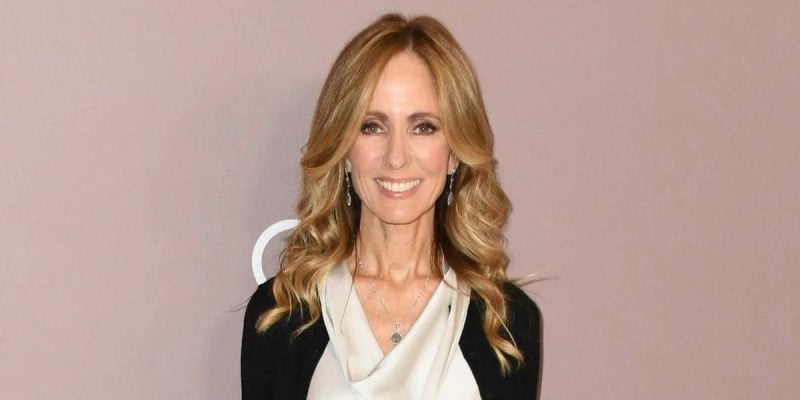
 Credit: Disney
The Walt Disney Company is about to undergo one of its most significant leadership transitions in recent memory, and the woman stepping into the role of President and Chief Creative Officer has some ambitious ideas about the future of moviemaking. Dana Walden, currently co-chairperson of Disney Entertainment, will officially assume her new position on March 18, the same day Josh D’Amaro takes over as CEO. And according to the board chairman who helped select them, incorporating artificial intelligence into film production sits at the top of her priority list.
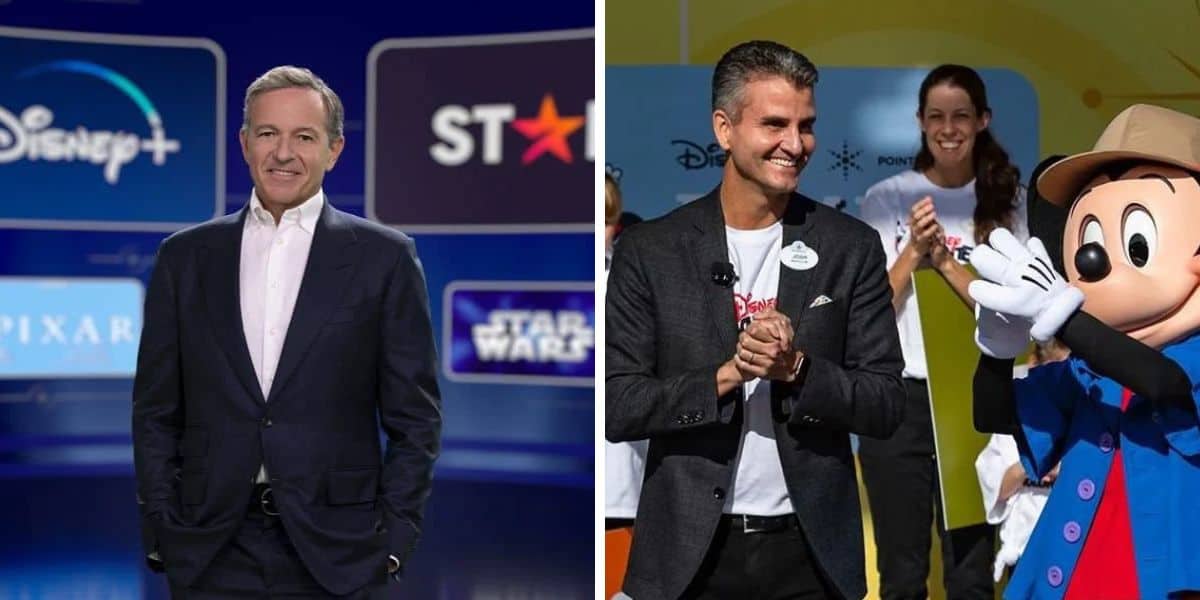
The announcement has sent ripples through the entertainment industry, raising questions about what AI integration actually means for a company built on storytelling and creative magic. For Disney, a studio that has always prided itself on pushing technological boundaries while maintaining artistic integrity, this represents both an opportunity and a potential minefield.
What the Board Chairman Said
James Gorman, former Morgan Stanley CEO who led the search for Disney’s new CEO as chairman of the board of directors, didn’t hold back when Variety asked about Walden’s key focus areas. While Gorman noted he would let Dana speak for herself once settled into the role, he laid out what he called the obvious priorities.
First on that list: how AI gets incorporated into movie production. Gorman also mentioned continuing to generate the kinds of streaming margins other industry players have achieved and ensuring storytelling remains central to everything Disney does across all divisions.

Gorman emphasized that Walden’s Chief Creative Officer role extends beyond just film and television. The goal is making sure storytelling flows through merchandise, park experiences, and cruises, not just theaters and streaming platforms. He called her a fabulous executive who would be a great partner for D’Amaro, reminding everyone that magical experiences remain the heart and center of the company.
Walden’s Background and New Responsibilities as President
Walden currently shares the Disney Entertainment co-chairperson title with Alan Bergman and has been running streaming operations. Her newly created position expands that authority to include oversight of film and TV production across the entire company. Disney hasn’t announced who might take over her Disney Entertainment responsibilities after she transitions to the broader role.
Her background sits firmly in television, film, and large-scale content strategy rather than theme parks or consumer products. That entertainment focus makes the AI priority particularly interesting since film and TV production would be the most immediate application area for new technologies.
What AI in Production Actually Means
The entertainment industry has been grappling with AI questions for the past few years, and Disney hasn’t been sitting on the sidelines. The technology could potentially impact everything from visual effects and animation to script development and post-production workflows.
Visual effects studios already use machine learning tools to speed up certain processes like rotoscoping, digital compositing, and even de-aging actors. Animation departments experiment with AI-assisted character movement and background generation. Some production companies test AI tools for script analysis, identifying pacing issues or predicting audience response to different story beats.

For a company like Disney, which produces massive amounts of content across Marvel, Lucasfilm, Pixar, Walt Disney Animation Studios, and Disney live-action films, efficiency gains could translate into significant cost savings or faster production timelines. The streaming margins Gorman mentioned as another priority would certainly benefit from more efficient content production.
But AI in creative spaces remains controversial. Writers and actors went on strike in 2023, partly over concerns that AI would replace human creativity. The resulting agreements included protections for AI use, though the technology continues to advance rapidly. Any moves Disney makes in this space will need to balance efficiency with the creative workforce concerns that brought Hollywood to a standstill.
The Bigger Creative Picture
What makes Walden’s position unique is the dual nature of her role. She’s not just President but also Chief Creative Officer for the entire The Walt Disney Company. That title carries weight beyond operational management, placing her at the center of decisions about creative direction, franchise development, and storytelling strategy.
In modern Disney, those creative decisions ripple outward. A franchise doesn’t just exist as a film anymore. It becomes a Disney+ series, a theme park attraction, a cruise ship experience, a merchandise line, and a stage show. The parks have particularly shifted from developing original concepts to serving as physical extensions of Disney’s larger narrative universe.

Walden’s influence would extend to conversations about which franchises deserve expansion, which properties should be prioritized long-term, and how stories evolve across different platforms. If Disney decides a franchise needs a new theme park land or a major attraction, that discussion would involve her input on whether it aligns with the broader creative strategy.
She wouldn’t control day-to-day park operations, attraction maintenance, or the operation of Lightning Lane. Those responsibilities stay with Disney Experiences leadership. But high-level creative decisions about what gets built and which stories get told across the company would flow through her office.
The Original Content Question
One aspect that often gets overlooked in discussions about IP-driven entertainment is whether companies still have the appetite for original ideas. Disney built its theme park legacy on attractions like Pirates of the Caribbean, Haunted Mansion, and Jungle Cruise that became franchises rather than starting as them.
As Chief Creative Officer, Walden would have influence over whether Disney takes those kinds of creative risks again. An original attraction concept today wouldn’t just be evaluated as a ride but as a potential franchise with expansion possibilities. Deciding if that risk makes sense would fall within her purview, even if she wouldn’t design ride systems or write attraction scripts herself.

The same logic applies to film production and AI integration. The technology could theoretically help with developing original concepts, testing story ideas, or visualizing new worlds before committing to massive budgets. But it could also push the company toward safe, data-driven decisions over creative risks.
What Happens Next As Walden Becomes President
Walden officially steps into her new role in just over a month alongside D’Amaro’s CEO transition. The company hasn’t detailed exactly how her responsibilities will be structured or who might backfill her current Disney Entertainment position.
The AI priority Gorman mentioned will likely take time to implement thoughtfully. Disney moves carefully with technologies that could impact creative output or workforce relationships. Any AI integration would need to enhance rather than replace human creativity, maintain quality standards audiences expect from Disney, and navigate the contractual protections creative guilds negotiated.
Streaming profitability is a pressing concern, as Disney+ and other services must improve margins while growing subscribers and maintaining content quality. Embracing technology to improve production efficiency could help.
Additionally, with D’Amaro moving to CEO, a new hire for Disney Experiences will need to collaborate with Walden to align attractions with the long-term creative strategy, making her input essential, even though final decisions rest with D’Amaro and the board.
The Path Forward With New President
Disney is pursuing unified creative leadership to enhance storytelling and franchise development, while leveraging new technologies to streamline production. Walden’s expertise in content strategy equips her to make connections despite her lack of experience in parks or consumer products. The effectiveness of this approach in delivering Disney’s core mission of magical experiences remains to be seen.
Historically, the company has balanced technological innovation with creative storytelling, and AI is the latest frontier in this evolution. Attention now turns to March 18, when Walden and D’Amaro officially begin their new roles and shape Disney’s next chapter.