 3
3
 Credit: Disney
Disney World has been changing nonstop lately, but the most frustrating part is how quietly it’s all happening.
One day, you’re planning a typical trip, thinking you’ve got your must-do rides mapped out. Next, another attraction goes dark, another construction wall pops up, and suddenly, the park you thought you knew feels like it’s operating at half capacity.
And while most people have been focused on closures, Disney has also been adjusting Lightning Lane behind the scenes.
Not with a huge announcement. Not with a dramatic “new system” rollout. Just minor updates that most guests won’t notice until they’re already in the parks, staring at their phones, wondering why their options look different from what they expected.
It’s the kind of change that doesn’t feel like a big deal at first… until you realize Disney is doing it right as countless rides have gone dark.
And heading into 2026, that timing feels anything but random.

Lightning Lane Has Become Disney World’s Real Planning Tool
At this point, Lightning Lane isn’t just a paid perk. It’s basically the backbone of Disney World touring strategy.
The system allows guests to pay for shorter queues, so instead of standing in a 90-minute standby line, you can reserve access to a faster entrance and save your time for other attractions.
But Lightning Lane isn’t as simple as “pay once and skip everything.”
Different parks have different Lightning Lane options, and not every attraction falls into the same category. Some rides get included in the main Lightning Lane lineup, while the biggest headliners often require separate purchases.
That means guests can easily find themselves stacking multiple Lightning Lane purchases just to make their day feel manageable.
And when Disney tweaks the system, it doesn’t just impact ride access. It affects how guests plan their entire trip.

Closures Have Heavily Impacted Lightning Lane Options
Lightning Lane works best when Disney has plenty of attractions operating.
If enough rides stay open, crowds naturally spread out. But in 2026, Disney is breaking that balance in a significant way.
DinoLand U.S.A. has already closed permanently, wiping out a major chunk of Animal Kingdom’s lineup. That isn’t just one ride disappearing. That’s an entire area that used to absorb crowds.
And the closures keep stacking.
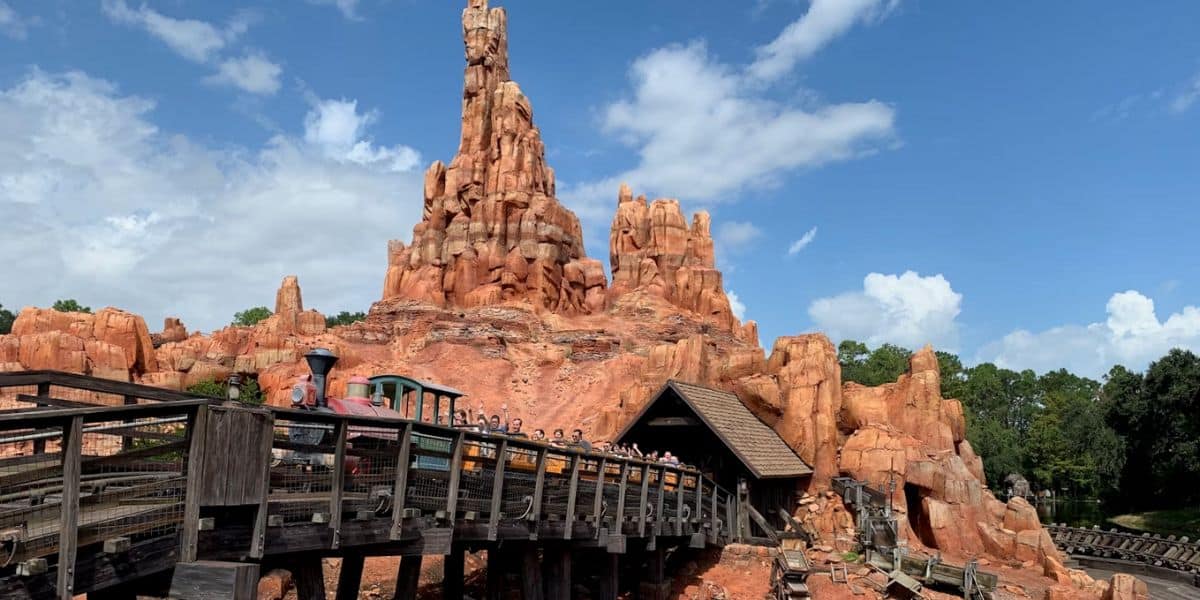
Big Thunder Mountain Railroad has been down for over a year and is expected to reopen in spring 2026. Until then, Magic Kingdom is missing one of its biggest crowd-eaters. Buzz Lightyear’s Space Ranger Spin is also down and scheduled to reopen in spring 2026, but its downtime still removes a classic Tomorrowland option.
At Disney’s Hollywood Studios, Rock ’n’ Roller Coaster will permanently close on March 2, with Disney planning to bring it back later in 2026 as a Muppets retheme. That might be exciting in the long term, but for now, it means another major thrill ride is missing.
Animal Kingdom also takes a hit with the Wildlife Express Train closing February 23 through summer 2026, removing a key transportation route for guests visiting Rafiki’s Planet Watch.
With fewer attractions available, Lightning Lane doesn’t feel as useful. And it becomes harder to grab return times before everything sells out.
Construction Is Taking Over Entire Sections of the Parks
The closures are only part of the problem. The bigger issue is how much physical space is also being disrupted.
Magic Kingdom’s Frontierland construction is already shifting the feel of the park. Hollywood Studios is also undergoing a significant transition, with the Muppet and Animation Courtyard areas under construction. And at Animal Kingdom, DinoLand construction is underway for Tropical Americas land, creating a massive dead zone where guests once explored.
Even if the parks remain “open,” these projects change how they operate. They reduce walkable space and force crowds into fewer areas.
And on top of that, Disney will still deal with routine maintenance closures, which will hit harder when the parks already have fewer attractions operating.

Less Ride Capacity Means Higher Wait Times Everywhere
This is where things start getting rough.
When Disney closes multiple rides, the crowds don’t disappear. Guests still show up. But now there are fewer rides available to spread them out.
That means the attractions that stay open get slammed.
If Big Thunder is closed, guests shift to Pirates of the Caribbean, Haunted Mansion, Jungle Cruise, and Peter Pan. If Rock ’n’ Roller Coaster is gone, thrill seekers flood Tower of Terror. If DinoLand is gone, Animal Kingdom becomes even more dependent on Pandora and Expedition Everest.
And that’s when Lightning Lane becomes less of a luxury and more of a survival tool.
Because without it, you can easily spend your entire day waiting for three or four rides and barely feel like you accomplished anything.
More Lightning Lane Demand Means Higher Prices
Once Lightning Lane becomes essential, demand skyrockets.
And when demand increases, Disney raises prices. That’s the pattern.
The more guests feel like they need Lightning Lane to have a decent day, the more they’re willing to pay. And the more people pay, the more Disney can justify charging even more.
It also doesn’t help that when fewer rides operate, Lightning Lane availability becomes tighter. Return times disappear faster, which pushes even more guests into panic mode.
And panic spending is precisely what Disney benefits from.

Disney Is Creating a Vicious Cycle Guests Should Watch Closely
Here’s the problem: this system feeds itself.
Disney closes rides and reduces capacity. That makes standby lines worse. That makes Lightning Lane feel necessary. That increases demand. That raises prices.
And once guests get used to paying extra, Disney has even less incentive to keep the system affordable.
That’s why these quiet Lightning Lane updates matter heading into 2026. Because Disney isn’t just closing rides. They’re reshaping the guest experience in ways that make planning more stressful and more expensive.
Tips for Skipping Lines Without Paying More
Not everyone wants to spend hundreds extra on Lightning Lane.
One of the best strategies is riding the most popular attractions late at night, right before park closing. Many guests leave early or focus on fireworks, which means wait times can drop during the final hour.
You can also take advantage of parade and fireworks windows. When crowds gather for entertainment, some standby lines dip just enough to make a ride worth jumping into.
It won’t solve everything, but in 2026, smart timing might be the only free “Lightning Lane” guests have left.
Lightning Lane Just Became a Bigger Problem
Disney World in 2026 is shaping up to feel very different.
With DinoLand permanently gone, Big Thunder and Buzz Lightyear down until spring, Rock ’n’ Roller Coaster transforming later in the year, and the Wildlife Express Train closing for months, guests will have fewer options and more crowded pathways.
And when Disney quietly updates Lightning Lane during a closure wave like this, it’s not random. It’s preparation.
Fewer rides mean higher wait times. Higher wait times mean more Lightning Lane demand. And more demand means higher prices.
So if you’re planning a Disney World trip in 2026, don’t assume Lightning Lane will work the same way it always has.
Because with this many closures stacking up, Disney’s system is changing fast… and guests are going to feel it.