 7
7
 Credit: Paul Beattie, Flickr
Disney doesn’t often openly discuss attendance challenges at its domestic theme parks.
The company typically frames quarterly results with carefully chosen language that emphasizes growth, forward momentum, and strategic positioning. That’s what made this morning’s earnings commentary particularly noteworthy. For one of the first times in recent memory, Disney explicitly called out a problem it’s currently facing: international visitors aren’t coming to Walt Disney World and Disneyland in the numbers the company expected.

The acknowledgment came buried within Disney’s executive commentary, a document released alongside the company’s quarterly financial results. While Disney pointed to several positive indicators, including strong domestic hotel bookings at Walt Disney World for the remainder of the fiscal year, the company made it clear that international visitation represents a legitimate headwind affecting segment operating income.
This isn’t speculation or reading between the lines. Disney used plain language to describe the situation, which suggests the impact is significant enough to warrant transparency with investors and stakeholders.
International guests have always represented a crucial segment of Disney’s domestic theme park business. These visitors typically stay longer, spend more per capita, and visit during periods that help balance out seasonal attendance patterns.
When international visitation drops, it doesn’t just affect ticket sales. It impacts hotel occupancy, merchandise revenue, food and beverage spending, and overall park capacity utilization. The ripple effects extend throughout Disney’s entire domestic parks operation.
What makes this situation particularly complex is that the factors driving the decline exist largely outside Disney’s control. The company can’t simply launch a new marketing campaign or offer discounted packages to solve a problem rooted in broader geopolitical and policy concerns.
Disney finds itself navigating circumstances that affect the entire U.S. travel and tourism industry, trying to adjust strategy while monitoring trends that may continue for months or even years.
The question now becomes how Disney responds. The company has options, from shifting marketing resources toward domestic audiences to adjusting pricing strategies to rethinking how it allocates capacity across different guest segments. But any meaningful response requires understanding not just that international visitation is down, but why it’s happening and whether the trend shows any signs of reversing.
Disney’s Official Statement Points to Real Concerns
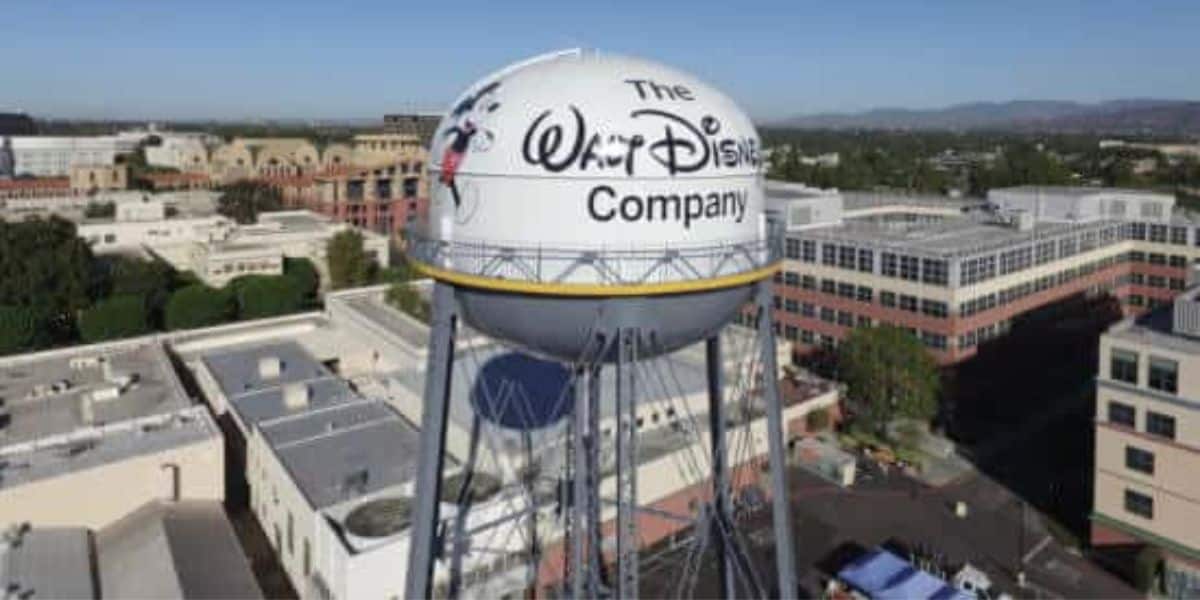
The language Disney used in its executive commentary was direct and unambiguous. The company stated it expects “modest segment operating income growth in Q2 due to a combination of factors, including international visitation headwinds at our domestic parks.” That word, “headwinds,” carries weight. It signals resistance, challenge, and difficulty in achieving expected results.
Disney went on to note that the company continues to monitor international visitation and adjust its strategy accordingly. That acknowledgment suggests Disney views this as an ongoing situation requiring active management rather than a temporary blip that will self-correct. The company is watching the data closely and making operational decisions based on what it sees.
Interestingly, Disney balanced this concern by highlighting positive indicators elsewhere. Room bookings at Walt Disney World for the full fiscal year are pacing up 5 percent, weighted toward the back half of the year.
That’s a meaningful data point that suggests domestic demand remains strong even as international visitation lags. It also indicates that Disney’s overall parks business isn’t in crisis, but rather dealing with a specific segment challenge that’s affecting overall performance.
Broader Travel Trends Confirm Disney’s Experience
Disney’s comments don’t exist in a vacuum. Data from multiple sources confirms that international travel to the United States has been declining for months. According to reporting from Business Insider in January, visits to the U.S. by international travelers had declined for eight consecutive months as of December 2025. That’s not a short-term fluctuation. That’s a sustained trend affecting the entire American tourism industry.
The U.S. Travel Association has been vocal about these challenges, releasing statements expressing concern about policies and conditions that make international visitors hesitant to choose the United States as a destination. In October 2025, the organization noted that while domestic travel was holding steady, the continued decline in international visitors threatened billions in spending and thousands of jobs across the tourism sector.
More recently, the U.S. Travel Association responded to proposals from the current administration that would require social media history from Visa Waiver Program travelers.
The organization stated it was “deeply concerned” by the proposal, recognizing that additional scrutiny and requirements create friction in the travel planning process. For international visitors weighing multiple destination options, even small barriers can tip the scales toward choosing somewhere else.
The association has also pointed to systemic issues like outdated systems, excessive visa wait times, and new travel deterrents as factors driving global visitors to competing destinations. Theme parks like Disney’s rely on a smoothly functioning international travel infrastructure. When that system faces challenges, parks feel the impact directly.
What This Means for Disney’s Strategic Planning

Disney now faces decisions about how to respond to sustained international visitation declines. The company has several levers it can pull, though none represent perfect solutions.
One option involves doubling down on domestic marketing and promotions. If international guests aren’t filling hotel rooms and park capacity, Disney can work to attract more domestic visitors to fill those gaps. The fact that Walt Disney World bookings are pacing up 5 percent for the year suggests there’s appetite among American guests to visit the parks. Disney could lean into that demand more aggressively.
Pricing strategy represents another potential adjustment area. Disney has sophisticated revenue management systems that can respond to demand fluctuations. If certain periods traditionally popular with international visitors are seeing softer bookings, the company could adjust pricing to stimulate demand from other segments.
Disney might also look at how it allocates marketing resources geographically. If certain international markets are showing more resilience than others, the company could shift spending toward those areas while reducing investment in markets where policy concerns or economic factors make near-term growth unlikely.
Operationally, Disney may need to think differently about staffing, entertainment offerings, and capacity planning if international visitation patterns have fundamentally shifted. The company is likely running detailed scenario analyses to understand how long-term changes in visitor mix would affect everything from language services to merchandise assortments.
The Earnings Call May Provide Additional Context
Disney has an earnings call scheduled where executives typically provide additional color on financial results and strategic priorities. Analysts will almost certainly ask follow-up questions about international visitation, seeking more specific details about which markets are most affected, how severe the declines have been, and what timeframe Disney expects for potential recovery.
The company may also face questions about whether it’s seeing similar patterns at other properties, particularly Disneyland Paris, or whether the issue is truly isolated to U.S. domestic parks. Understanding the geographic scope of the challenge will help investors assess both the severity and Disney’s options for addressing it.
Looking Ahead at a Complex Challenge
Disney’s acknowledgment of international visitation headwinds represents a rare moment of transparency about a specific operational challenge. The company deserves credit for addressing the issue directly rather than obscuring it within broader commentary about parks performance.
For Disney fans and industry watchers, this situation is worth following closely. How Disney responds, whether international travel trends begin to reverse, and what this means for the guest experience at domestic parks over the coming quarters will all provide insights into both Disney’s operational flexibility and the broader health of the U.S. tourism industry.
Keep checking back for updates as we learn more from today’s earnings call and as Disney continues adjusting its strategy in response to these international visitation challenges. If you’ve got thoughts on how this might affect your own travel plans or what Disney should be doing differently, we’d genuinely love to hear them. Drop a comment and let’s talk about where things go from here.