

 Credit: Inside the Magic
Disney just changed the game for millions of guests, officially removing this Park Hopper rule.
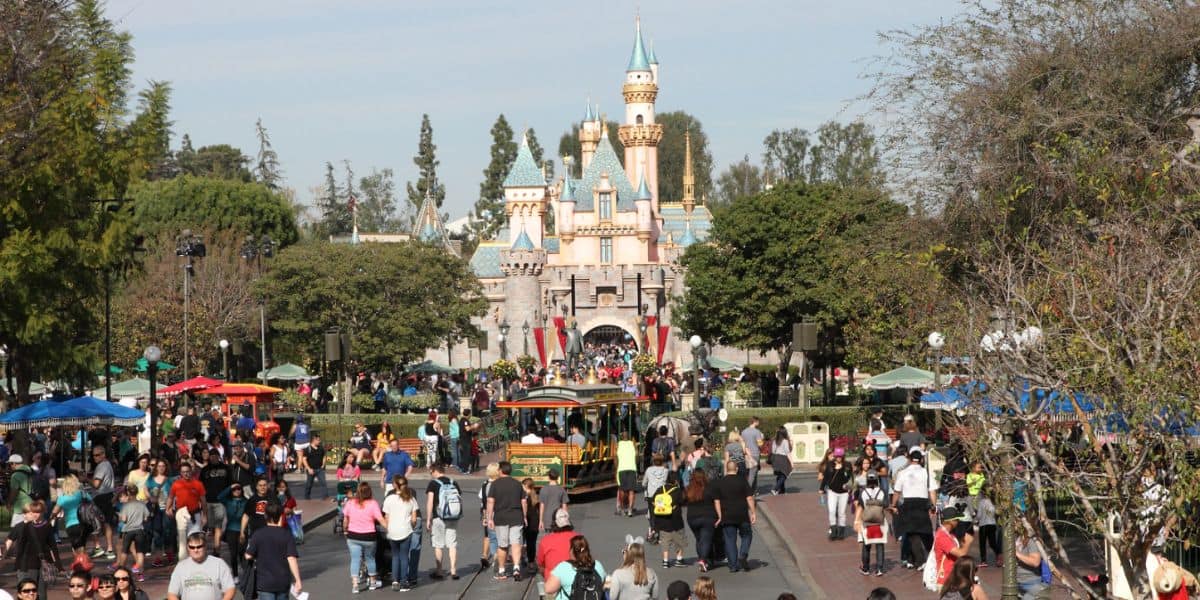
Disney Park Hopper Rule Changed Forever
For generations of visitors, the magic of Disneyland Resort has been defined by freedom — the ability to wander from one immersive world to another in a single day. Guests often begin their morning strolling down Main Street, U.S.A. inside Disneyland Park, only to find themselves hours later racing toward Avengers Campus or Pixar Pier inside Disney California Adventure Park.
That fluid movement between parks has long been part of the Disneyland identity. Whether chasing Lightning Lane reservations, catching entertainment offerings, or navigating fluctuating wait times, guests have relied heavily on Park Hopper tickets and Magic Key passes to shape their daily strategy.
But over the past several years, that flexibility came with a catch — one that quietly influenced everything from rope-drop decisions to dining reservations. While many accepted the rule as part of the post-pandemic operational reality, others viewed it as a frustrating limitation that disrupted the spontaneity Disneyland was built upon.
Now, a subtle but potentially game-changing shift is beginning to surface.

A New Operational Shift Begins to Surface at Disneyland Resort
Guests planning multi-park days have grown accustomed to building itineraries around a specific window of opportunity. Morning touring plans, ride stacking strategies, and even character meet-and-greets were often dictated by when crossing between parks became possible.
For Magic Key holders and frequent visitors especially, this restriction became second nature — a logistical hurdle baked into every visit. The rule didn’t eliminate park hopping entirely, but it reshaped the rhythm of the day, encouraging guests to commit to one park before unlocking the freedom of the second.
That structure, while manageable, created a noticeable divide between Disneyland’s pre-2020 spontaneity and its modern operational model.

Fans Have Quietly Questioned the Loss of Spontaneity for Years
Across social media platforms like X (formerly Twitter) and Reddit, longtime fans frequently debated whether the restriction diluted part of the Disneyland experience. Many guests expressed that the inability to move freely between parks in the morning removed one of the resort’s most distinctive advantages compared to other theme park destinations.
Some guests argued the delay created unnecessary crowd bottlenecks later in the day, while others said it forced difficult choices between rope-dropping headliners in one park or preserving flexibility for the afternoon.
Still, despite the criticism, the rule remained — and travelers continued adapting.
Until now.

A Business Update Event Quietly Reveals a Major Guest Experience Change
During a Disneyland Resort Business Update event held on February 19, 2026, new information shared with sources indicated that the long-standing park hopping time restriction is expected to be lifted.
Previously, guests with a valid Park Hopper ticket or Magic Key pass could only move between Disneyland Park and Disney California Adventure beginning at 11:00 AM after entering their first park. Under the upcoming change, that limitation will be removed, allowing guests to park hop at any time of day, subject to park availability, operational hours, and capacity.
Guests will still need to make a park reservation and tap into their starting park before visiting the second park. However, once that requirement is fulfilled, the wait to cross between parks will no longer apply.
At this time, reservations are not required for the second park after visiting the first, though Disneyland officials note that reservation policies remain subject to change. The Park Hours calendar and the Disneyland app will continue serving as the primary resources for daily operational updates.
No official implementation date has been announced, but expectations are growing that a formal announcement could arrive soon.

Social Media Erupts as Fans Celebrate the Return of Flexibility
Fan reactions online were immediate and emotional. Many Magic Key holders described the change as a “return to classic Disneyland freedom,” while others expressed relief at regaining the ability to adapt their day in real time.
Some guests celebrated the potential to rope drop attractions in one park before quickly pivoting to entertainment or dining in the other without losing valuable morning hours. Others pointed out how the change could reduce midday congestion caused by guests waiting for the hopping window to open simultaneously.
Still, a few travelers voiced cautious optimism, noting that capacity limitations and reservation policies could continue shaping the experience even without the time restriction.

What This Could Mean for Future Disneyland Trips and Guest Strategy
If implemented as expected, the removal of the Park Hopper time restriction could significantly reshape touring strategies across Disneyland Resort. Rope drop plans may become more flexible, dining reservations easier to manage, and entertainment viewing less constrained by park boundaries.
For families, the change may ease the pressure of committing to a single park during the busiest part of the day. For frequent visitors, it could restore a sense of spontaneity that many felt had been missing.
However, with park availability, operational hours, and potential reservation adjustments still in play, guests will likely need to remain attentive to daily updates within the Disneyland app.
For now, the development represents something fans have been hoping to hear for years — a quiet but meaningful shift back toward flexibility.
What do you think about Disneyland potentially removing the Park Hopper time restriction? Would this change how you plan your next visit?
Source: WDWNT