 9
9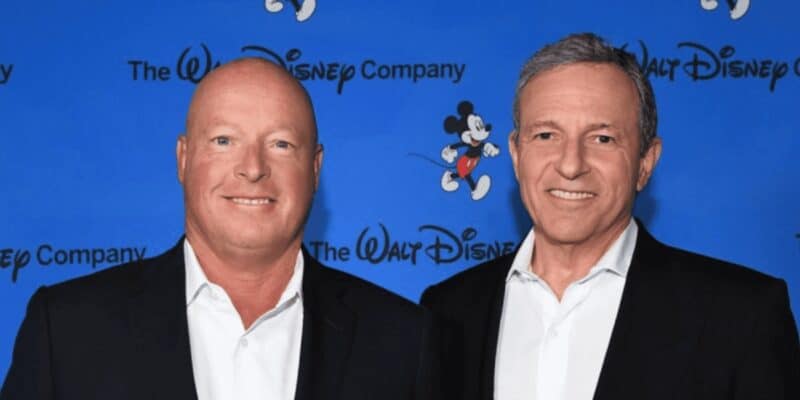
 Credit: Disney
In the high-stakes world of corporate drama, few narratives are as compelling as the “Battle of the Bobs.” As we move through early 2026, The Walt Disney Company CEO Bob Iger is no longer pulling his punches. In a candid reflection at today’s earnings call, Iger has shed light on the sheer scale of the “fixing” he was forced to undertake following the tumultuous tenure of his hand-picked successor-turned-rival, Bob Chapek.

When Iger returned to the helm in November 2022, the “House of Mouse” was in disarray. Stock prices were tumbling, creative morale was at an all-time low, and the company was bleeding billions in its quest for streaming dominance. Now, as Iger prepares for what he insists will be his final departure, he is detailing the cleanup process—and how he plans to ensure his next successor doesn’t repeat the mistakes of the past.
The “Mess” That Nearly Broke the Magic
The core of Iger’s critique centers on the structural changes Chapek implemented during his short but impactful reign. The most controversial was the creation of Disney Media and Entertainment Distribution (DMED). This centralized unit stripped creative heads—the people running Disney Animation, Marvel, and Lucasfilm—of the power to decide how and where their content was released.

Iger’s assessment is blunt: the move effectively “broke” the company’s creative soul. By taking P&L (profit and loss) responsibility away from the storytellers and handing it to data-driven distributors, Disney lost the “art” that had defined it for a century.
“There was a lot of fixing that needed to be done,” Iger noted on the earnings call. He wasn’t just talking about spreadsheets; he was talking about the culture. Chapek’s era was marked by a “spreadsheet-first” philosophy that alienated talent and led to high-profile blunders, including a public legal battle with Scarlett Johansson and a strained relationship with the state of Florida.
The Three Pillars of the Iger Cleanup
Upon his return, Iger immediately set to work on a three-pronged strategy to stabilize the ship:

- Restoring Creative Control: One of Iger’s first acts was to dissolve DMED and return authority to the creative leads. He empowered leaders like Alan Bergman and Dana Walden to take ownership of their projects once again, arguing that “quality” must always trump “quantity.”
- Aggressive Cost-Cutting: To appease Wall Street, Iger implemented a $7.5 billion cost-cutting initiative that included the difficult task of laying off 7,000 employees. He had to trim the fat that had accumulated during an unchecked spending spree on Disney+ content.
- Repairing the Guest Experience: In the theme parks, fans were revolting over price hikes and the complexity of the Genie+ and Lightning Lane systems. While Iger hasn’t rolled back everything, he has introduced more “low-cost” days and brought back perks like free hotel parking to win back the goodwill of the Disney faithful.
The Succession Shadow: Avoiding the Chapek Mistake
Perhaps the most crucial part of Iger’s second term isn’t what he’s doing now, but what happens after he leaves. Iger has been open about the fact that his previous succession plan—choosing Chapek—was a mistake. The fallout of that decision has defined his legacy as much as his acquisition of Marvel or Star Wars.

As of early 2026, Disney’s Board of Directors has formed a special succession committee, chaired by James Gorman, the former CEO of Morgan Stanley. Gorman is known for his successful, drama-free transition at his own firm, and Iger is leaning heavily on that expertise to ensure Disney’s next handoff is seamless.
Setting Up the “Next” Successor for Success
Iger isn’t just looking for a name; he is looking for a system. Unlike the Chapek era, where the successor was thrown into the deep end without a proper support structure, Iger is reportedly mentoring four internal frontrunners:
- Dana Walden: Co-Chairman of Disney Entertainment, lauded for her deep ties to talent.
- Alan Bergman: The movie mogul responsible for the studio’s biggest hits.
- Josh D’Amaro: The beloved Chairman of Disney Parks, Experiences, and Products.
- Jimmy Pitaro is the Chairman of ESPN, who has navigated the difficult transition to digital sports.
Iger’s goal is to leave behind a company that is “leaner, meaner, and more creative.” By fixing the balance sheet and the organizational structure before the next CEO takes over, he hopes to give his predecessor a clear runway rather than a burning building.
Why 2026 is the Critical Year for Disney
The clock is ticking. Iger’s contract expires at the end of 2026, and the pressure is on to name a successor soon to allow for a year-long “shadowing” period.

Iger’s candor about Chapek serves a strategic purpose. By highlighting the “mess” he inherited, Iger justifies his high salary and the aggressive changes he’s made. It also serves as a warning to the Board: they cannot afford another leader who doesn’t understand the “DNA” of Disney.
The CEO has emphasized that he wants the next person to be more than just a manager—they must be a “custodian of the brand.” He wants to leave a legacy of a “restored” Disney, ensuring that when he finally walks away for the second time, it’s for good.
Conclusion: The “Repairman” CEO
Bob Iger’s return will likely be remembered as the “Repairman” era. He didn’t come back to buy another Pixar or 21st Century Fox; he came back to fix the internal pipes and reconnect with the fans.
By openly blaming Chapek for the company’s recent struggles, Iger is drawing a clear line in the sand. He is positioning himself as the savior who stepped back in to save Disney from its own corporate hubris. Whether his “master plan” for succession works remains to be seen, but one thing is sure: Iger is determined not to let a “Chapek-sized” shadow fall over Disney ever again.