

 Credit: Inside the Magic
Something big just shifted in the streaming world — and if you’re a theme park fan, you should be paying attention.
Disney made a massive move on the streaming chessboard, and while it may look like just another subscription shake-up on the surface, this kind of partnership rarely stays confined to screens. When companies at this level align, it almost always sends ripples beyond television into physical spaces. That includes the parks.
For years, fans have speculated about what would happen if Disney ever found a way to work directly with Netflix rather than compete with it. Now, the industry is inching closer to that reality. And if history tells us anything, when Disney forms strategic alliances, it thinks long term — especially when intellectual property is involved.
Disney+ Has Become a Streaming Powerhouse
Before diving into what this new alignment could mean, it’s essential to understand how dominant Disney already is in streaming.
When Disney+ launched in 2019, skeptics questioned whether it could realistically compete with Netflix. That doubt didn’t last long. Powered by Marvel, Star Wars, Pixar, National Geographic, and its century-deep animation vault, Disney+ quickly transformed into a global force.
The platform didn’t just rely on nostalgia. It delivered high-profile originals, expanded the Marvel Cinematic Universe into serialized storytelling, and turned Star Wars into a small-screen juggernaut. Within a few short years, Disney+ cemented itself as one of the “big three” streamers.
But success created a new challenge. Viewers now juggle multiple services. Subscription fatigue became real. And fragmentation started to frustrate consumers.
That’s where consolidation comes into play.

The Hulu Blueprint: Disney’s Playbook for Control
If anyone understands streaming consolidation, it’s Disney.
After years of shared ownership, Disney ultimately decided to acquire Hulu entirely. That decision streamlined its content strategy and allowed Disney to bundle its offerings more aggressively. Instead of competing internally, Disney folded Hulu deeper into its ecosystem.
The Hulu situation serves as a roadmap. Disney didn’t just partner loosely. It positioned itself for greater control. It built bundles. It integrated branding. It strengthened leverage.
Now imagine that same approach applied to Netflix.
That may sound bold. But the latest international streaming bundle suggests that major players are no longer treating each other strictly as rivals. They’re testing cooperative waters.

A New Bundle That Changes the Conversation
Across the Atlantic, a significant shift just occurred that could signal where the industry is headed.
Sky in the United Kingdom and Ireland recently introduced a game-changing streaming package that combines Netflix, Disney+, HBO Max, and Hayu into a single subscription tier. Rather than forcing customers to bounce between apps and bills, this new structure consolidates everything into a single interface.
The entry price for new customers starts at roughly £24 per month. That includes Sky’s original programming alongside Netflix’s global hits and Disney+’s blockbuster franchises. All of it runs through the same operating system.
For viewers exhausted by juggling passwords and recurring charges, this feels like relief. For the streaming industry, it signals something bigger.
It proves that former competitors can coexist under one umbrella when the economics make sense.
And once that door opens, it rarely closes.
This Could Be Just the Beginning
Right now, this is a bundled offering. But bundles often act as stepping stones.
Disney already demonstrated its willingness to move from partnership to ownership with Hulu. If consumer demand continues pushing toward consolidation, Disney could explore deeper integration with Netflix down the line. Whether that means strategic investment, co-production deals, or something even larger remains speculative — but the pattern is clear.
Disney doesn’t simply bundle for convenience. It leverages intellectual property.
If a closer relationship between Disney and Netflix materializes, the implications would stretch beyond streaming libraries. Disney’s most valuable asset isn’t just content distribution. It’s experiential storytelling inside its parks.
That’s where this gets interesting.

What Netflix IP Could Look Like Inside Disney Parks
If Disney ever secured expanded rights or cooperative agreements with Netflix properties, the parks would be the natural next frontier.
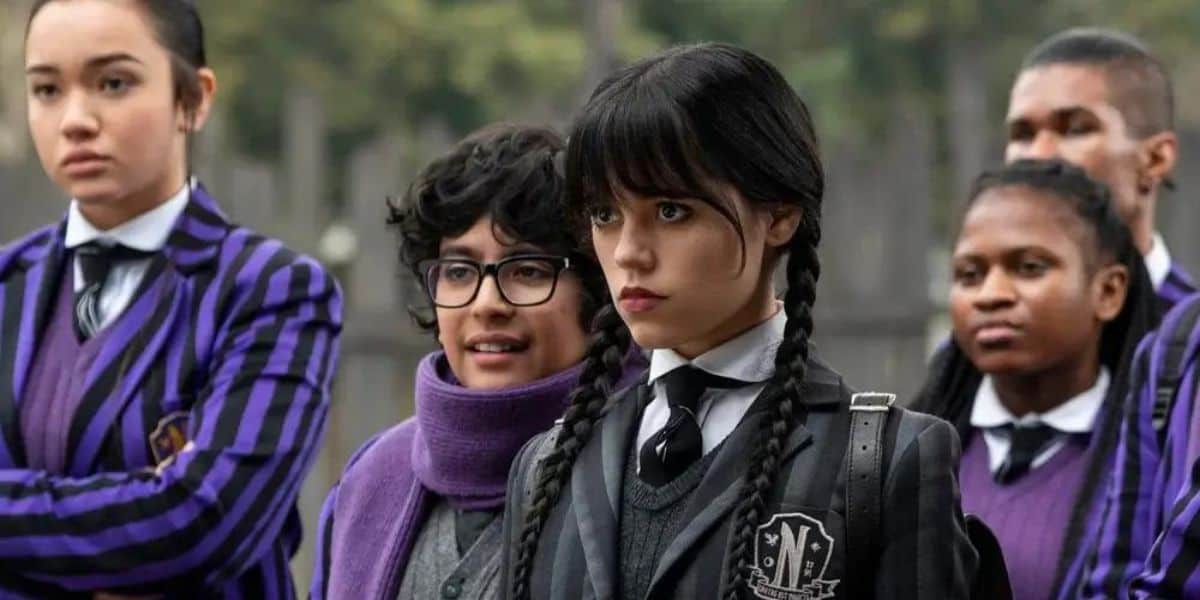
Take Wednesday, centered on the Addams Family character. The gothic tone and dark whimsy would fit seamlessly into seasonal overlays or even a dedicated attraction space. Disney already knows how to build immersive environments rooted in fantasy. Wednesday’s world would practically design itself.
Consider Stranger Things. While the series carries a mature edge, Disney parks have gradually expanded their demographic reach. A supernatural thriller-themed experience could draw older teens and adults, as Star Wars did at the parks.
Scooby-Doo presents an even clearer opportunity. With a younger-skewing audience and colorful mystery themes, it would translate effortlessly into interactive dark rides or live mystery-solving experiences. Families could step into a haunted mansion-style attraction without it feeling too intense.

Then there’s Squid Game — admittedly darker — but proof that Netflix commands global cultural moments. While a literal adaptation wouldn’t align with Disney’s brand, toned-down competitive experiences inspired by high-stakes challenges could evolve into themed events or limited engagements.
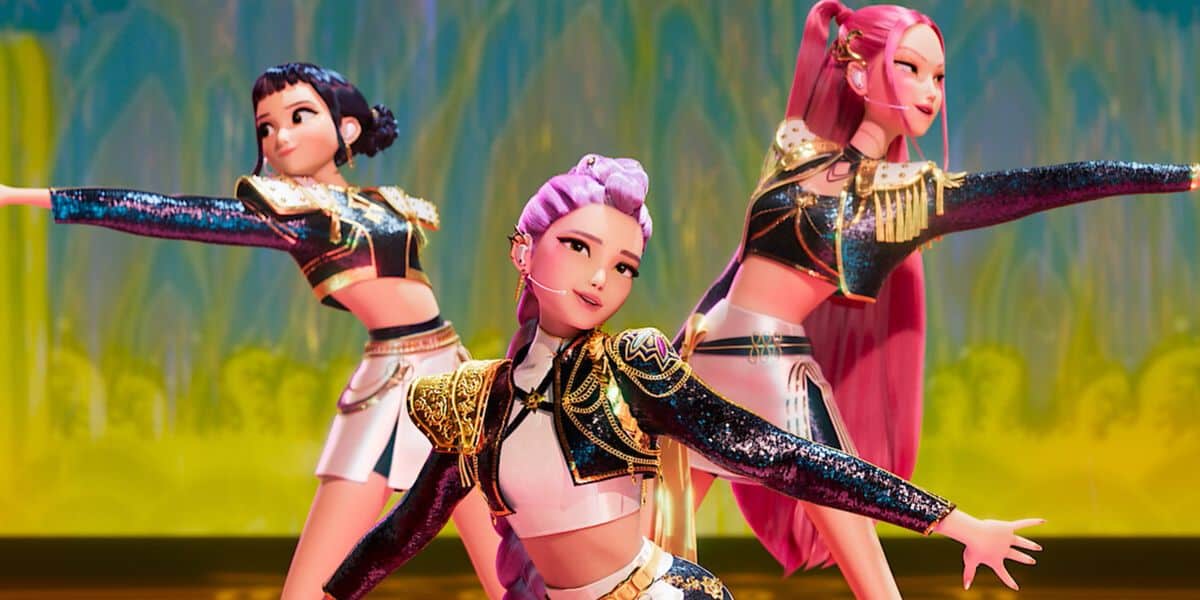
Even niche hits like KPop Demon Hunters show how Netflix taps into global fandoms. Music-driven experiences, dance stages, and immersive character meet-and-greets would resonate with younger audiences.
The point isn’t that Disney would import these properties unchanged. It would refine, shape, and align them with its storytelling standards.
But access changes possibilities.
Why This Matters for the Future of Theme Parks
Disney parks thrive on recognizable stories. Every land, attraction, and show builds around characters guests already love.
Netflix dominates pop culture cycles. It produces global phenomena that trend overnight and linger in social media discourse for months. Marrying that momentum with Disney’s park-building expertise would create a powerful synergy.
We’ve already seen how Disney leverages acquired IP. Marvel and Star Wars now anchor entire lands. If Netflix properties ever joined that roster, it could accelerate park expansions, seasonal overlays, or limited-run experiences aimed at capturing current cultural waves.
It would also signal something broader: streaming content no longer lives exclusively on screens. It becomes a whole ecosystem — merchandise, attractions, live shows, and themed environments.
That’s the Disney model.
The Bigger Picture
Right now, this is about a streaming bundle in the UK and Ireland. It’s about simplifying subscriptions. It’s about easing consumer frustration.
But major shifts often start quietly.
Disney’s history shows that strategic partnerships rarely remain surface-level forever. When the company sees long-term value, it invests deeply. And if closer alignment with Netflix becomes economically beneficial, it could unlock an entirely new chapter for both companies.
Theme park fans may not feel the impact immediately. There’s no Stranger Things roller coaster under construction. No Wednesday dark ride announcements.
Yet.
But the groundwork for collaboration has begun. And in the world of entertainment giants, that’s often how transformation starts — not with fireworks, but with infrastructure.
If streaming consolidation continues, don’t be surprised if today’s bundle becomes tomorrow’s acquisition. And if that happens, the real magic won’t just stream into living rooms.
It could walk straight through the park gates.