
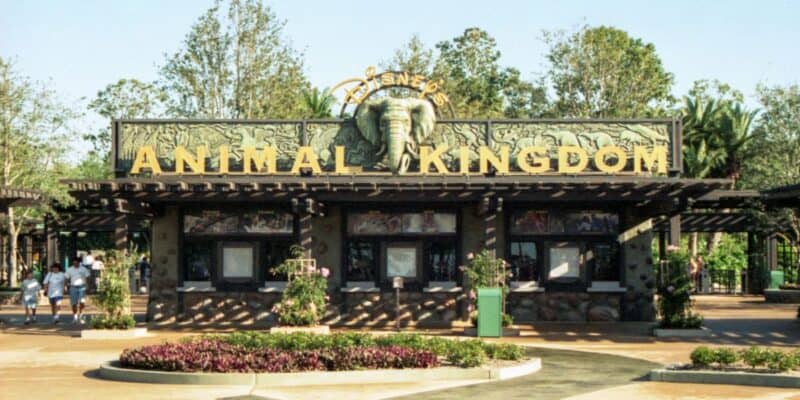
 Credit: Steven Miller, Flickr
Disney’s Animal Kingdom is going through one of those transitional moments where you can feel the strain even if you can’t immediately put your finger on it. Construction walls are up, entire sections of the park are disappearing, and longtime favorites are closing faster than replacements can fully come online. For guests, that tension isn’t just about rides or lands—it’s showing up in a much more basic way: figuring out where to eat.

This week offered a clear example of that shift. Harambe Market quietly reopened ahead of schedule, operating at limited capacity days before its full relaunch. On the surface, that might sound like a routine soft opening. But when you zoom out and look at what just closed—and what Animal Kingdom has lost—it starts to feel much more intentional.
A Soft Opening That Didn’t Feel Optional
Harambe Market reopened on February 2 with mobile ordering available and a noticeably scaled-back operation. Disney made it clear this wasn’t the full return yet. Capacity was limited, menus were simplified, and full operations wouldn’t begin until February 5. Still, the timing raised eyebrows.

Just one day earlier, Restaurantosaurus served its final guests and closed permanently. That closure wasn’t symbolic. It removed one of Animal Kingdom’s highest-capacity quick-service dining locations from the park overnight. And when a park already known for limited food options loses a restaurant of that size, the ripple effects are immediate.
Disney didn’t announce Harambe Market’s early opening with much fanfare, but the move felt less like a test run and more like a necessity. With Restaurantosaurus gone, Animal Kingdom suddenly didn’t have the luxury of waiting for a perfect reopening window.
Restaurantosaurus Was Doing More Heavy Lifting Than It Got Credit For
Restaurantosaurus wasn’t flashy. It wasn’t trendy. And for many guests, it wasn’t a must-eat destination. But what it was is reliable. It could handle crowds. It offered familiar food that appealed to families. And it absorbed a huge amount of lunchtime traffic without drawing much attention to itself.
That became obvious on its final day. Due to overwhelming guest demand, Restaurantosaurus opened earlier than scheduled to manage long lines as fans rushed in for one last meal and one last walk through DinoLand U.S.A. The early opening wasn’t planned—it was reactive. Disney saw the demand and adjusted on the fly.
That moment mattered. It showed how much pressure the park was already under before the restaurant even closed for good.
Animal Kingdom’s Quick-Service Problem Isn’t New—But It’s Getting Worse
Animal Kingdom has always had a different dining profile than the other parks. There are standout locations, but they’re spread out, and many operate with limited hours or specialized menus. When everything is open, the system works. When multiple locations close or refurb at once, it doesn’t take much for things to feel tight.
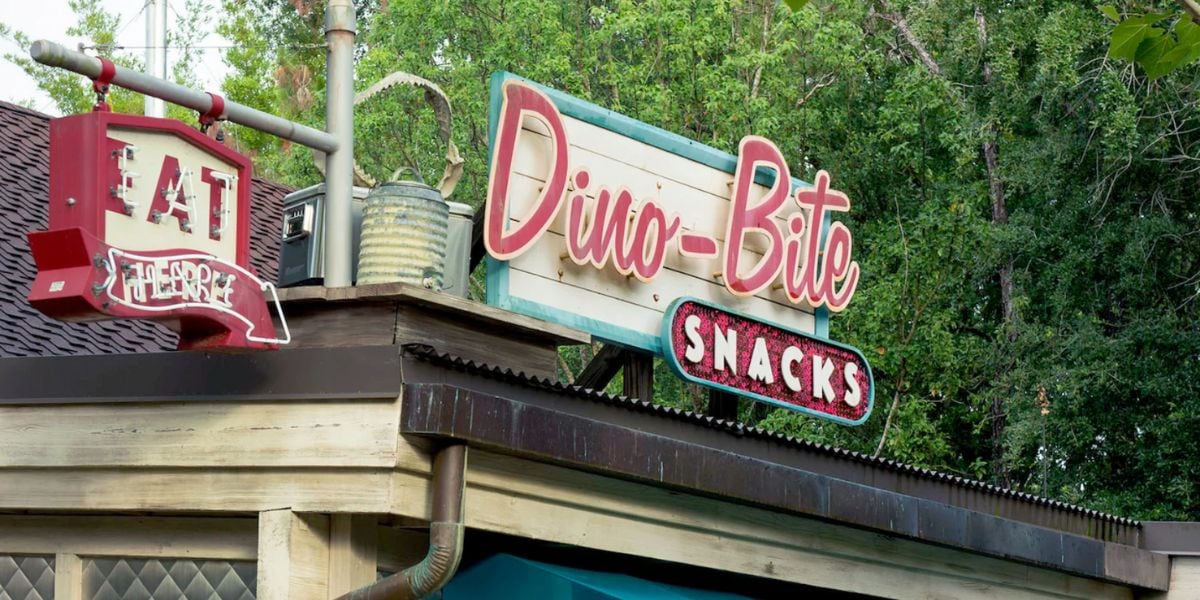
With Restaurantosaurus gone, the park lost a dining safety valve. Suddenly, guests looking for burgers, chicken strips, and fries had far fewer places to go. That pressure had to land somewhere—and Harambe Market became the obvious answer.
The problem? Harambe Market wasn’t fully ready yet.
Why Limited Capacity Still Made Sense
Harambe Market’s early return came with clear constraints. Disney positioned it as a soft opening, operating below full volume while final preparations continued behind the scenes. Menu offerings were streamlined, and operations weren’t yet built to absorb the full crowd that Restaurantosaurus once handled.
But even limited capacity was better than nothing.
Without Harambe Market reopening early, Animal Kingdom would have faced a noticeable gap in its quick-service lineup for several days. That would have pushed more guests toward already busy locations, increasing wait times and creating frustration during peak meal hours.
From an operational standpoint, opening early—even imperfectly—helped stabilize the park.
The Domino Effect of DinoLand’s Disappearance
Restaurantosaurus didn’t close in isolation. It was the final piece of DinoLand U.S.A. to shut down as Disney accelerates work on the Tropical Americas expansion. With DinoLand now completely gone, Animal Kingdom isn’t just losing attractions—it’s losing infrastructure.

Quick-service dining is part of that infrastructure, and rebuilding it takes time. Disney has big plans for the former Restaurantosaurus footprint, including a reimagined, high-capacity location tied to the new land. But that future solution doesn’t help guests standing in line today.
In the meantime, the park has to function with what’s available. That’s why Harambe Market’s reopening feels less like a coincidence and more like damage control.
Guests Are Already Feeling the Shift
Even with Harambe Market open in limited form, guests are noticing the difference. Fewer options mean longer lines, more reliance on mobile ordering, and less flexibility when it comes to timing meals. Families looking for quick, familiar food now have fewer fallback choices if one location is overwhelmed.
Animal Kingdom isn’t broken—but it’s clearly in flux.
That transitional phase is always tricky. The park is shedding old capacity faster than new capacity can replace it, and food service is one of the first areas where those gaps show up.
Why This Likely Won’t Be the Last Early Opening We See
Harambe Market reopening early may set a pattern. As Animal Kingdom continues its transformation, Disney will likely need to make similar calls—bringing locations online ahead of schedule, even if they aren’t fully operational yet.

It’s not about rushing. It’s about keeping the park functional while major changes unfold.
Once Harambe Market transitions to full capacity, it will help ease some of the strain. But until the next generation of dining locations opens as part of Tropical Americas, Animal Kingdom will continue walking a tightrope between ambition and practicality.
A Park in Motion, Even at Mealtime
Animal Kingdom is clearly moving forward. Entire lands are being reimagined, new attractions are on the horizon, and the park’s identity is shifting in big ways. But moments like this—where a restaurant quietly opens early to fill a sudden gap—reveal the behind-the-scenes challenges that come with that progress.
Harambe Market’s limited-capacity reopening isn’t just a dining update. It’s a reminder that every closure has consequences, and every replacement has to pull its weight the moment it opens.
For now, Animal Kingdom is making it work. But guests should expect more adjustments like this as the park continues to rebuild itself—one land, one ride, and yes, one quick-service restaurant at a time.