
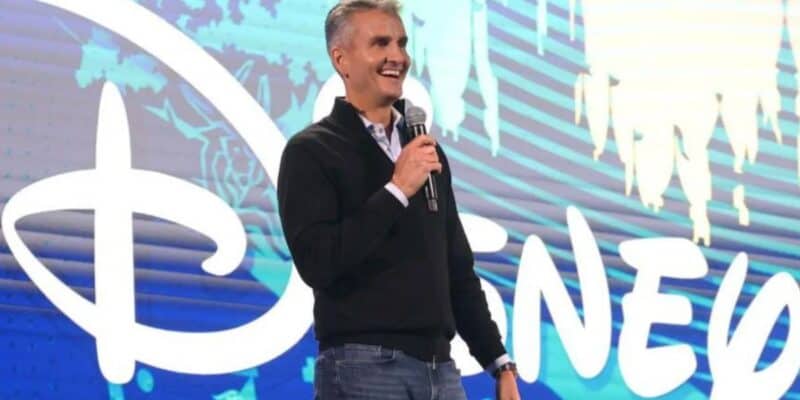
 Credit: Disney
Disney fans are passionate. That’s part of what makes the parks special. People don’t just visit Walt Disney World or Disneyland. They build traditions around them. They grow up there. They measure life milestones in castle photos and ride memories. So when change happens, reactions come fast and loud.
And let’s be honest, Disney fans are rarely quiet about what they dislike.
But here’s the uncomfortable part. Some of the most criticized decisions tied to Josh D’Amaro have actually worked. Not just operationally. Financially. Strategically. Long term.
As Bob Iger prepares to step down, and Josh D’Amaro steps into the CEO role beginning March 18, 2026, it’s worth taking a step back. Because while fans may not love every move he has supported, there are at least three areas where he was clearly right.
The CEO Transition Is a Big Moment for Disney
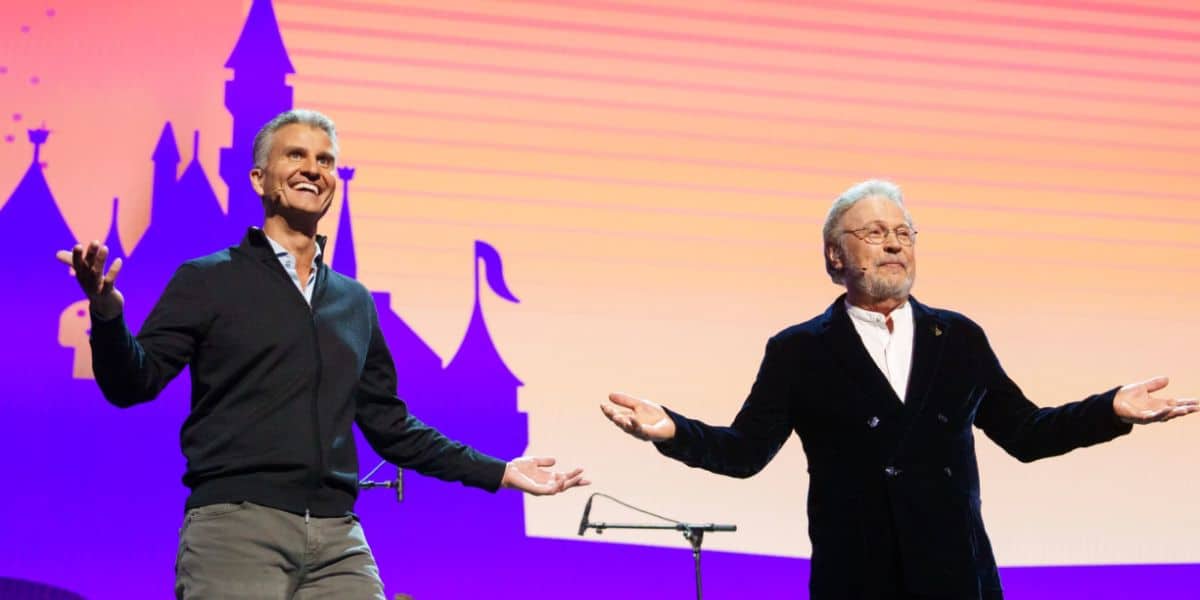
Bob Iger’s return stabilized the company during a rocky chapter. Now, Disney is entering another major shift. Josh D’Amaro, who has been leading Disney Experiences, will take over as CEO on March 18, 2026.
This isn’t a small promotion. It signals confidence in the direction Disney’s parks and experiences have taken under his leadership.
As Chairman of Disney Experiences, D’Amaro oversaw theme parks, cruise lines, and consumer products during one of the most transformative periods in company history. Expansion projects moved forward. New lands opened. Pricing structures evolved. Technology integrations accelerated.
Not all of those changes were popular.
But popularity and profitability are not always the same thing. And that’s where things get interesting.
Fans Push Back, But Disney Moves Forward
Disney fans are vocal. They always have been. From ticket price hikes to attraction closures, there is almost always backlash when something shifts.
Under D’Amaro’s watch, several controversial strategies were rolled out. Guests complained online. Comment sections exploded. Some vowed to stop visiting.
And yet, attendance stayed strong. Revenue climbed. Demand remained high.
That doesn’t mean fans are wrong to have feelings. But it does mean that, from a business perspective, some of these calls delivered exactly what Disney needed.
Let’s break down three of the biggest ones.
1. Lightning Lane Is Still Selling
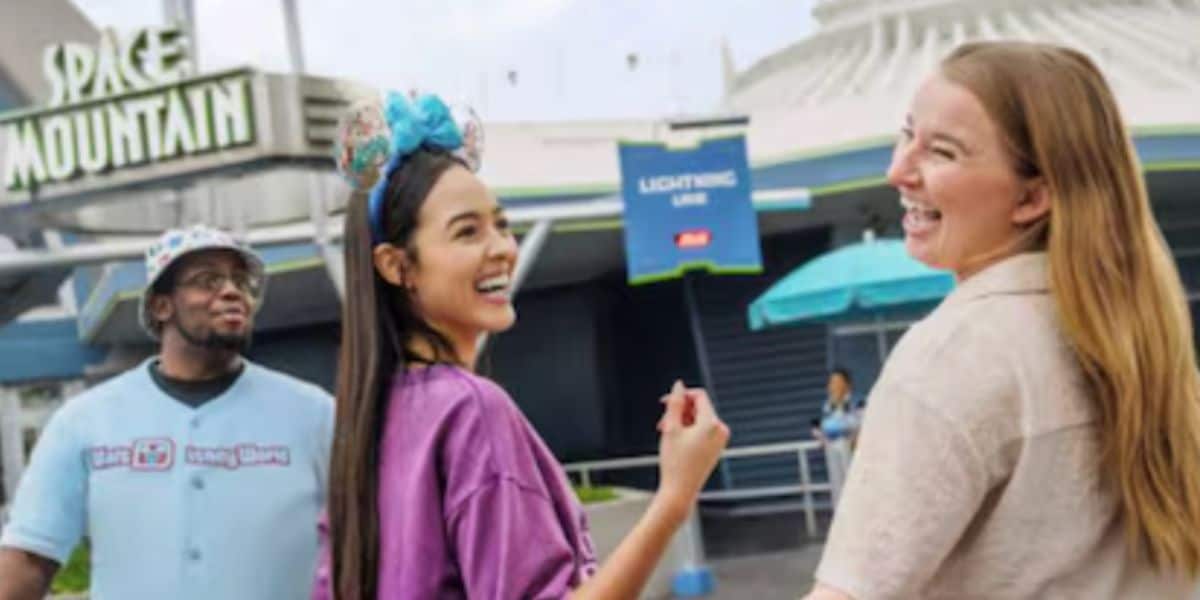
Few changes sparked more debate than the evolution of skip-the-line systems into Lightning Lane. Many longtime fans preferred the older FastPass system. They felt the new structure was confusing, expensive, or unfair.
Guests still voice frustration about paying extra for access to rides that used to feel included. Peak pricing makes it sting even more.
And yet, Lightning Lane continues to sell.
Even on high-crowd days with elevated prices, guests still purchase it. Families who say they dislike the system still add it to their carts because time matters. Vacation days are limited. Standing in a two-hour standby line isn’t appealing when you’ve saved for years to be there.
From a pure numbers standpoint, the model works. It generates additional revenue without lowering base ticket demand. It gives guests a choice, even if that choice costs extra.
Fans may not love Lightning Lane. But they keep buying it. And that validates the strategy in a way online criticism simply can’t override.

2. Intellectual Property Drives Wait Times
Another hot topic has been the shift toward intellectual property. Some fans miss original concepts. They feel classics are disappearing. They worry about nostalgia fading.
But look at the data inside the parks.
Frozen Ever After consistently posts long waits. Rise of the Resistance draws crowds from rope drop to park close. Guardians of the Galaxy Cosmic Rewind became an instant headliner.
These rides are built around beloved stories and recognizable characters. Guests show up in droves for them.
Even when classic attractions step aside, excitement builds quickly for what replaces them. New lands based on major franchises create anticipation months in advance. Social media is filled with countdown posts. Opening day demand often overwhelms capacity.
It’s also realistic to expect that future IP-driven lands will command significantly longer wait times than legacy attractions that once anchored the parks, such as Muppet Vision 3D or Rivers of America.
That doesn’t erase emotional attachment to classics. But from a crowd-drawing perspective, recognizable franchises win. D’Amaro leaned into that reality. And financially, it pays off.

3. Premium Experiences Continue to Sell Out
If there’s one area fans say has gone too far, it’s premium pricing.
Building a lightsaber costs hundreds of dollars. Princess makeovers are not cheap. After-Hours events and holiday parties charge a separate admission fee on top of standard tickets.
Many guests shake their heads at the price tags.
Then those experiences sell out.
Families book lightsaber builds months in advance. Boutique reservations disappear quickly. Special ticketed events often reach capacity well before their dates.
Disney created tiers within the vacation. Guests can choose to spend more for something exclusive. And plenty of them do.
Premium offerings increase per guest spending without increasing daily attendance. That’s a powerful formula in a park environment where space is limited.
It may feel like an era of upselling. But it’s also a model that clearly resonates with a large segment of visitors.

What This Means as D’Amaro Becomes CEO
So what happens when Josh D’Amaro officially steps into the CEO role in March 2026?
It likely means continuity.
Expect Disney to keep leaning into high-demand intellectual property. Expect premium experiences to expand, not shrink. Expect pricing strategies that prioritize revenue per guest over sheer volume.
That doesn’t mean every decision will land smoothly. Fans will still debate changes. They will still miss retired attractions. They will still question price increases.
But if the last several years prove anything, it’s that D’Amaro understands how to balance fan emotion with financial performance. He reads attendance patterns. He watches spending behavior. He responds to what guests actually do, not just what they post online.
As CEO, that mindset could shape the next decade of Disney parks.
The Bottom Line for Disney Fans
No one expects Disney fans to stop having opinions. Passion drives the community. It keeps the company accountable. It fuels discussion.
But looking at Lightning Lane adoption, IP-driven demand, and premium experience sellouts, it’s hard to argue that these strategies failed.
In fact, they succeeded.
Josh D’Amaro may not win every popularity contest. Yet as he prepares to replace Bob Iger and take the helm of Disney on March 18, 2026, the numbers suggest he made calls that positioned the parks for a firm financial footing.
Fans do not have to love every change.
But sometimes, even the most opinionated fan base has to admit when a leader made the right bet.