 1
1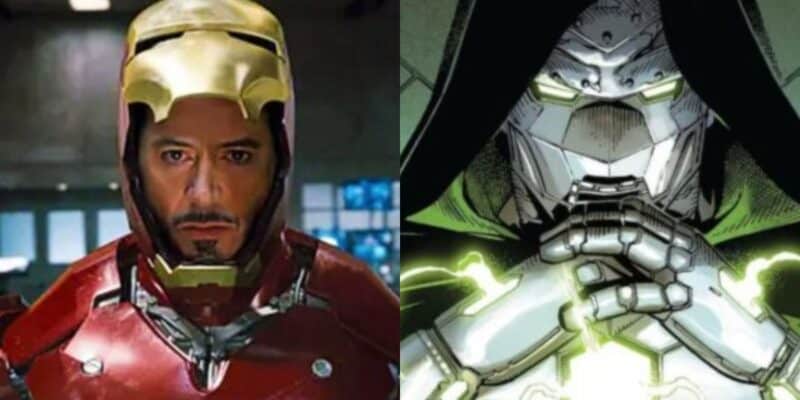
 Credit: Marvel Studios / Marvel Comics
Robert Downey Jr.’s return to the Marvel Cinematic Universe was always going to attract attention.
For more than a decade, he was the face of the franchise, defining Tony Stark and shaping the tone of Marvel’s earliest and most successful films. When Marvel confirmed that Downey would return in Avengers: Doomsday (2026) as Victor von Doom rather than Iron Man, it signaled that the studio was planning something far more ambitious than a simple cameo or nostalgic callback.
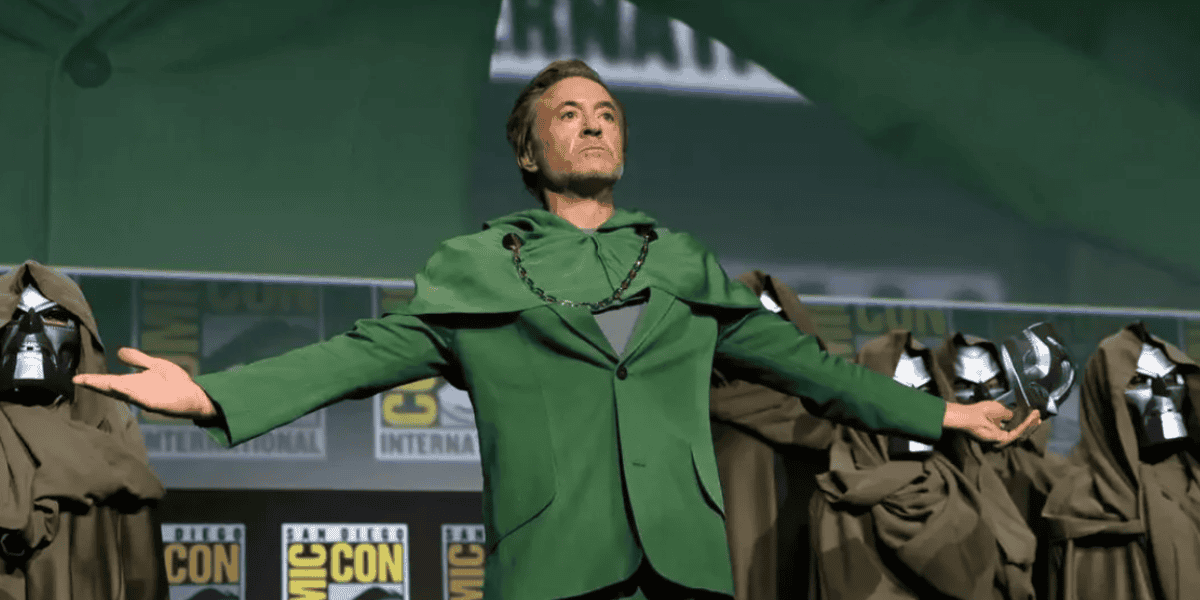
Recent reports now suggest that Marvel is not only recasting Downey in a new role but significantly reworking the character of Doctor Doom for his MCU debut. Rather than closely following Doom’s traditional comic-book origin, the studio appears to be reshaping his history, his motivations, and even the hero he holds responsible for his transformation.
If accurate, these changes would represent one of the most substantial reinterpretations of a classic Marvel villain to date.
A Reimagined Foundation for Doctor Doom
In Marvel Comics, Victor von Doom is defined by intellect, pride, and an obsessive rivalry with Reed Richards. His downfall begins with his own arrogance, and his rise to power is driven as much by wounded ego as by genuine belief that the world would be safer under his rule. That version of Doom has endured for decades.
In Avengers: Doomsday (2026), Marvel is reportedly building a different foundation. Instead of introducing Doom primarily as a rival to Reed Richards, the film is said to establish him first as a family man whose life is shattered by a single catastrophic event. According to the report, Doom will have a wife and young son, both of whom die in the same accident that leaves him permanently scarred.
This represents a meaningful shift in how the character is framed. In the comics, Doom’s emotional core centers on his mother and on his rivalry with Reed. By giving him an immediate family and tying their deaths directly to his transformation, the MCU version grounds his villainy in personal tragedy rather than intellectual rivalry. His pursuit of power becomes less about domination and more about a response to loss.
For Marvel, this approach aligns with a pattern seen in recent years, where major antagonists are given deeply personal motivations that allow audiences to understand, if not sympathize with, their descent.
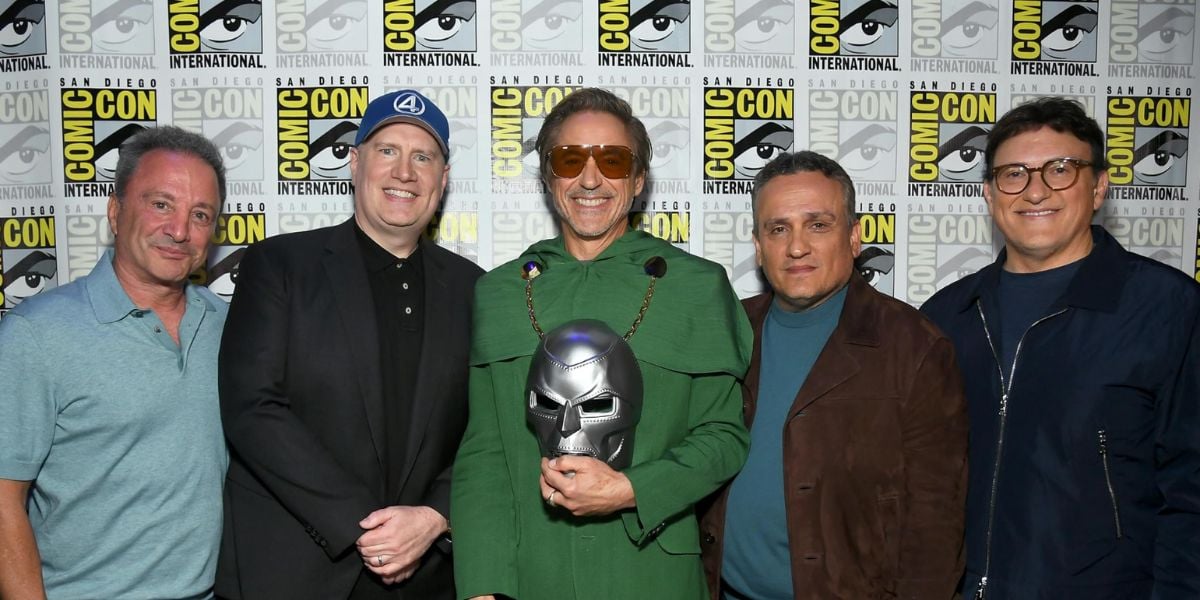
Changing the Meaning of Doom’s Disfigurement
Doctor Doom’s mask is one of the most recognizable images in Marvel history. Traditionally, it hides scars caused by an accident of his own making, the result of reckless experimentation despite warnings from Reed Richards. That origin reinforces Doom’s defining flaw: pride.
In Avengers: Doomsday (2026), the reported version alters the meaning of that accident. The same explosion that scars Doom is also said to kill his wife and child. As a result, his disfigurement becomes inseparable from the loss of his family. The mask is no longer simply a symbol of shame or vanity, but a constant reminder of the moment his life was destroyed.
This change reframes the character in important ways. Instead of a villain created by hubris alone, Doom becomes a man shaped by trauma. His obsession with control, power, and revenge flows directly from a personal catastrophe rather than from wounded pride.
For an actor like Downey, whose strongest performances often center on regret and emotional conflict, this version of Doom offers a far more layered role than a traditional comic-book antagonist.
Shifting Doom’s Enemy from Reed Richards to Steve Rogers
Perhaps the most striking reported change concerns who Doom holds responsible for his tragedy. In the comics, his lifelong enemy is Reed Richards, and their rivalry defines much of both characters’ histories.
In the MCU, that rivalry may not be the central focus.
Instead, Doom is reportedly driven by anger toward Steve Rogers (Chris Evans). The accident that kills his family is said to be connected to the consequences of Captain America’s time travel at the end of Avengers: Endgame (2019). Doom traces the chain of events back to Steve and sets out to exact revenge.
This narrative choice has significant implications. By tying Doom’s origin directly to the Avengers’ actions, Marvel connects its next major villain to the moral consequences of its most celebrated victory. The story becomes less about a feud between two scientists and more about the unintended damage caused by rewriting time.
It also gives Avengers: Doomsday (2026) a thematic center. The film would not only explore the threat Doom poses, but also the cost of the Avengers’ past decisions. In that context, Doom becomes a living embodiment of the collateral damage left behind by heroic choices.

Why This Approach Fits Robert Downey Jr.
Casting Downey Jr. as Doctor Doom initially raised concerns that the role might distract from the character or feel too closely tied to Tony Stark. The reported changes suggest Marvel is intentionally leaning into that association.
Tony Stark was defined by loss, guilt, and a lifelong attempt to correct his own mistakes. This version of Doom reflects a similar emotional starting point, but diverges in the choices he makes afterward. Where Stark ultimately chose sacrifice and redemption, Doom chooses vengeance and control.
That contrast creates a powerful dramatic opportunity. Downey is not being asked to play a villain disconnected from his past work. He is being asked to play a dark reflection of the hero who once defined the MCU.