 2
2
 Credit: Disney
For thousands of Walt Disney World Cast Members, the “Disney Bubble” provides a sense of security, but the reality of Florida’s labor laws is currently shifting beneath their feet. As of January 19, 2026, a new piece of legislation moving through the Florida House and Senate—HB 191, also known as the “Promoting Work, Deterring Fraud Act of 2026″—threatens to fundamentally change who qualifies for unemployment benefits and how strictly those benefits are policed.
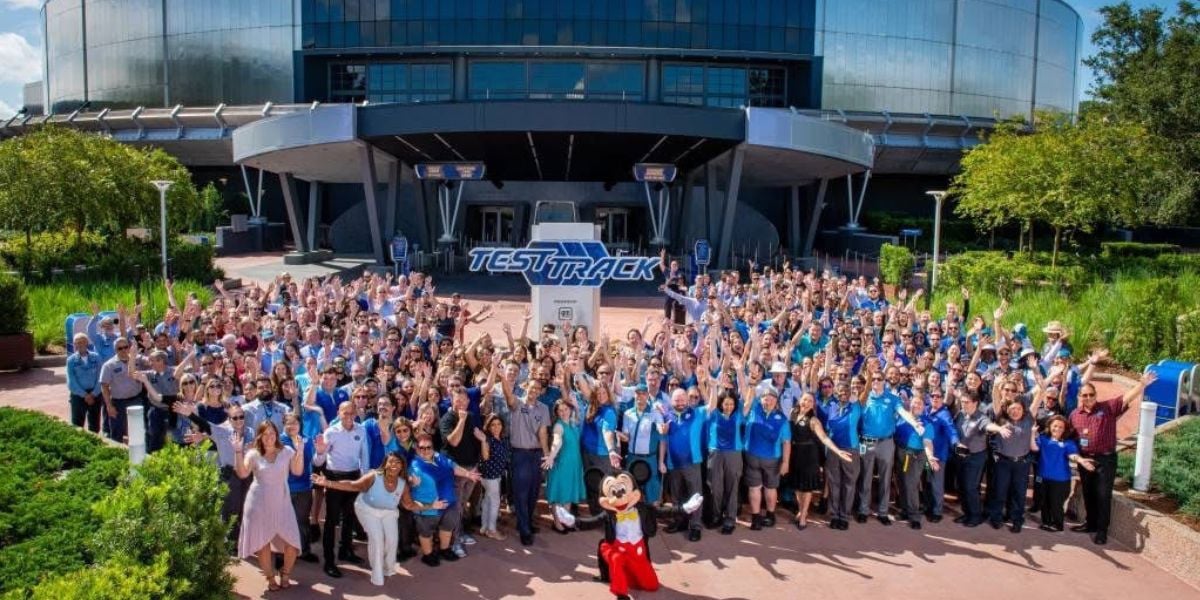
While the bill’s supporters argue it is a necessary step to curb fraud and encourage workforce participation, critics and labor advocates warn that its “work-search” requirements could disproportionately harm seasonal and part-time workers in the tourism industry—specifically those at the heart of the Magic Kingdom.
The Breakdown of HB 191: New Rules for 2026
HB 191 is designed to tighten the belt on Florida’s Reemployment Assistance Program. If passed and signed into law, the bill introduces several aggressive new “hurdles” that claimants must clear every single week to remain eligible for their $275 weekly maximum payout.

The “Three-Strike” Interview Rule
One of the most significant additions in HB 191 is the disqualification for failing to appear for job interviews. Under the new rules, a claimant will be permanently disqualified from benefits if they fail to appear for three or more scheduled job interviews without notifying the prospective employer in advance.
Mandatory Weekly Contacts
The bill codifies a strict requirement that claimants contact at least 5 prospective employers per week. While work-search requirements have existed in various forms, HB 191 mandates a more rigorous biweekly verification process. The Department of Commerce will now be required to cross-check these contacts against state and federal databases to ensure the “contacts” were legitimate.

Biweekly Identity and Eligibility Checks
To “deter fraud,” the bill requires the state to verify a claimant’s identity before a single cent is paid. Furthermore, every two weeks, the state must cross-check information to ensure the claimant is:
- Still living.
- Not currently incarcerated.
- Not already employed elsewhere (cross-referencing new hire databases).
Impact on the “Disney Workforce”: Seasonal and Part-Time Challenges
While these rules apply to all Floridians, the impact on Disney World Cast Members—especially the thousands of seasonal, part-time, and College Program workers—could be devastating.

The Seasonal Layoff Trap
Many Disney Cast Members work on a seasonal basis, particularly those in entertainment, character performing, or high-capacity festival roles (like those for EPCOT’s Food & Wine). During the “shoulder seasons” or when a contract ends, these workers often rely on reemployment assistance to bridge the gap until their next “call-back.”
Under HB 191, a seasonal worker who knows they are returning to Disney in six weeks would still be forced to apply for five jobs a week and attend interviews for roles they have no intention of keeping. If they miss three of those “filler” interviews, they lose their safety net entirely.
The “Suitability” Gray Area
Disney Cast Members often possess highly specialized skills. HB 191 puts pressure on claimants to accept “suitable work” immediately. For a professional performer or a specialized technician temporarily laid off, the state may now push them to accept entry-level service roles outside their field under the threat of benefit disqualification.

Administrative Delays and the “Verification Gap”
The requirement for identity verification before payment is a significant concern for the Unite Here Local 362 and other Disney-area unions. Florida’s unemployment system (CONNECT) has a history of technical glitches. By adding mandatory pre-payment verification, a cast member laid off during a post-holiday “lull” might face weeks or months of zero income. At the same time, the state processes its identity documents.
A “Snitch” Culture? The New Reporting Portal
Perhaps the most controversial part of HB 191 is the requirement for the Department of Commerce to maintain a public-facing website where employers and individuals can report “known or suspected violations” of the unemployment law.

For Disney workers, this could create a precarious environment. If a manager or a disgruntled peer sees a laid-off worker on social media and suspects they aren’t “actively” seeking the required five jobs per week, a simple report to the portal could trigger a freeze on their benefits and a lengthy investigation.
Conclusion: A Tighter Frontier for Tourism Workers
As HB 191 moves through the Florida Legislature, the message from Tallahassee is clear: unemployment is a temporary bridge with increasingly high tolls. For a workforce as dynamic and varied as Disney’s, these new rules represent a shift away from supporting workers during industry fluctuations and toward a high-pressure “work-at-all-costs” model.

With Florida already offering some of the lowest benefits in the nation (capped at 12 weeks during low-unemployment periods), the added complexity of HB 191 could make the “Disney Dream” a lot harder to afford for the people who make the magic happen.