
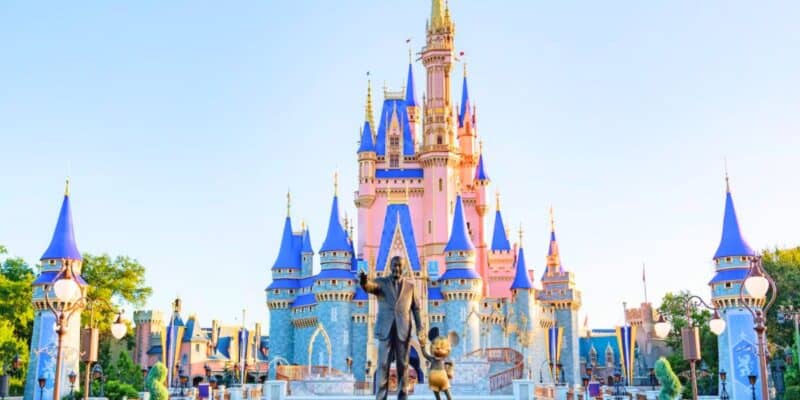
 Credit: Disney
For much of the last year, 2026 quietly earned a reputation as a year Disney fans could afford to skip. Not because Walt Disney World suddenly lost its appeal, but because so much of the resort appeared to be caught in a long, awkward middle phase. Construction walls were rising across multiple parks.
Major lands were mid-transformation. Familiar attractions were either offline or operating in a way that felt temporary rather than complete. For many guests, the timing just didn’t feel right.
That hesitation wasn’t dramatic. There were no mass cancellations or angry declarations. Instead, it showed up in smaller, quieter decisions. Families pushed trips back a year. Frequent visitors decided to wait until everything reopened.
Online conversations leaned toward patience, with fans reassuring each other that Disney World would feel more “whole” later on. The general belief was that 2026 would be lighter on crowds simply because fewer people would want to deal with the disruption.
For a while, that belief made sense.
Then Disney started changing the equation.
Over the past several months, a wave of discounts aimed at 2026 travel has begun rolling out, and the scale of those offers has been hard to ignore. These weren’t limited to one narrow season or a handful of low-demand weeks. Instead, they stretched across large portions of the year and applied to a wide range of guests, from families booking full vacation packages to Florida residents and Annual Passholders.
At first glance, the deals felt like a welcome break after years of rising costs. But taken together, they told a deeper story. Disney wasn’t just filling empty hotel rooms. It was actively encouraging people to commit to a year many had already written off. And when Disney starts nudging guests this deliberately, it’s usually because the company wants to shift behavior.

That shift is already happening.
Guests who had mentally ruled out 2026 are suddenly reconsidering. The numbers look different when discounts are layered together. Trips that once felt financially out of reach now feel possible. Vacations that were postponed indefinitely are back on the table. The question quietly changes from “Should we wait?” to “Should we take advantage of this while it’s available?”
What complicates the situation is that these incentives are arriving at a time when Disney World’s capacity is still constrained. Three of the resort’s four theme parks remain in the midst of major construction projects, and that reality doesn’t disappear just because prices drop. Fewer attractions are operating at once. Traditional guest flow patterns are disrupted. Walkways are rerouted, and entire areas are temporarily inaccessible.
In practical terms, that means the parks have less flexibility to absorb increases in attendance.
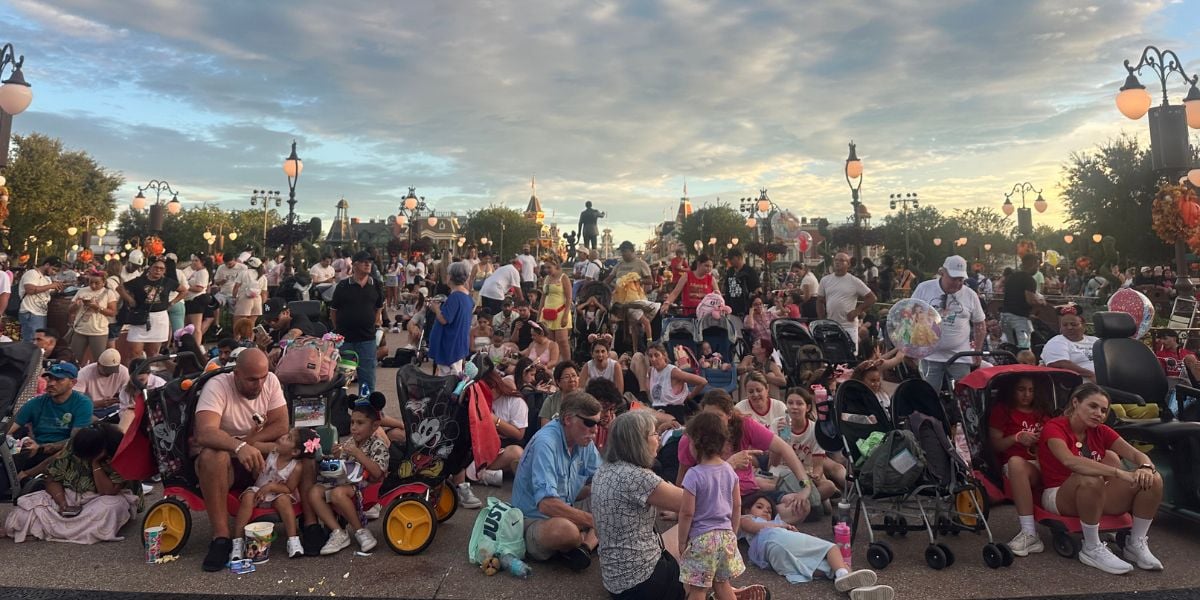
Crowds don’t need to reach record-breaking levels to feel overwhelming in this environment. They only need to grow enough to stress an already tightened system. When guests are funneled toward the same attractions, dining locations, and entertainment offerings, pressure builds quickly. Wait times rise earlier in the day. Popular areas fill faster. Even moving through the parks can feel slower and more deliberate.
This is where the tension around 2026 truly begins to take shape.
Disney isn’t just relying on discounts to bring people back. These offers are arriving alongside carefully timed signs of progress. Refurbished attractions reopening send a powerful signal to hesitant fans that the resort is moving forward, even if large-scale projects remain unfinished. Each returning experience helps reshape the narrative, shifting it from “construction year” to “transition year.”

That shift matters more than it might seem.
Once guests believe Disney World is turning a corner, patience gives way to opportunity. The idea of visiting during a transitional period becomes appealing when paired with savings, especially for those who assume prices will climb again once everything is complete. For many fans, the logic becomes simple: go now while it’s cheaper, even if it’s imperfect.
The result is not one massive surge of visitors, but something more subtle and potentially more challenging — steady attendance across long stretches of the year.
Instead of traditional peaks and valleys, Disney World could see consistent crowd levels during months that normally offer breathing room. The familiar rhythm of the Disney calendar begins to blur. Weeks that once felt manageable may no longer provide the relief guests expect.
Florida residents and Annual Passholders add another layer to this dynamic. These guests are particularly responsive to hotel discounts and don’t require extensive planning to visit. When incentivized, they tend to return more often, increasing the frequency of visits rather than concentrating them into one trip. That kind of behavior compounds crowd pressure without triggering the warning signs associated with traditional peak seasons.
None of this guarantees that 2026 will be chaotic. But it does suggest that the year may feel very different from what many fans initially envisioned.
A trip that looks affordable on paper may cost more in time and patience once guests arrive. A vacation framed as a deal may require more flexibility and adjusted expectations. And the year many believed would be quieter could quietly become one of Disney World’s most demanding transitional periods.

What makes this moment especially interesting is how quietly the shift is happening. There’s no single announcement declaring that 2026 will be busy. No headline warning guests to brace for crowds. Instead, the clues are scattered across booking incentives, reopening timelines, and subtle changes in guest behavior.
Disney appears confident it can strike the right balance between encouraging attendance and managing disruption. The question is how that balance will feel from the guest perspective, day after day, as discounts draw people in while construction continues behind the scenes.
For now, one thing is becoming increasingly clear: 2026 is no longer the year people are skipping. And if enough guests come to the same realization at the same time, the year once viewed as a pause could end up reshaping expectations entirely.