 6
6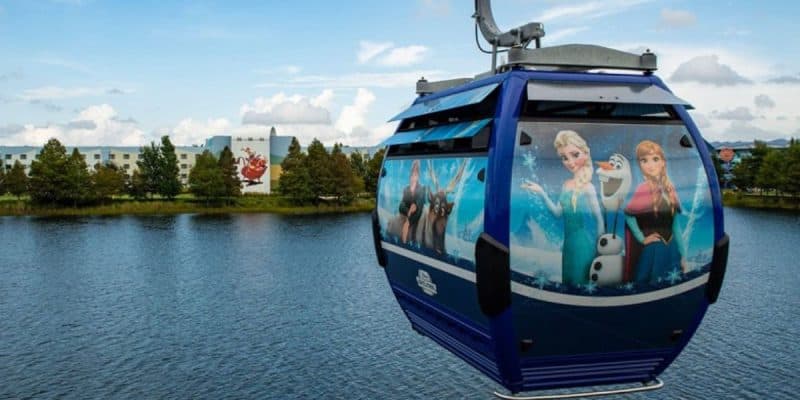
 Credit: Disney
Something feels different lately when you leave the parks at Walt Disney World. The rides still run. The fireworks still go off. The music still plays. But once the day ends and thousands of exhausted guests all head for the exits at the same time, the magic doesn’t just fade—it stalls.
What used to feel like a smooth transition back to your hotel now feels tense, unpredictable, and, at times, downright frustrating. Lines form where you don’t expect them. Wait times are longer than they should be. And instead of winding down from a long park day, many guests find themselves wondering how something so fundamental could have gone so wrong.
Disney World transportation hasn’t just stumbled. It’s finally gone off the rails.
The Monorail Is No Longer the Reliable Backup
For decades, the monorail system felt like Disney World’s safety net. When crowds surged, it was the thing guests trusted to keep moving. Lately, that confidence has eroded.
Monorail delays, limited train availability, and unexpected downtime have become part of the routine, rather than rare exceptions. Guests exiting Magic Kingdom late at night often find monorail platforms packed shoulder to shoulder, watching train after train arrive already full.
When one train goes down, the ripple effect is immediate. The platform backs up. Guests hesitate. Cast Members scramble to manage crowd flow. What once felt futuristic now feels fragile, and that fragility sets the tone for the rest of Disney’s transportation network.

Buses Have Become a Bottleneck, Not a Solution
If the monorail feels shaky, buses feel outright overwhelmed.
Resort bus stops routinely overflow at park closing, especially at EPCOT and Hollywood Studios. Guests line up deep into walkways, sometimes waiting through multiple buses before boarding. What makes this worse is the shared-resort model. One bus often serves various hotels, and each additional stop lengthens the ride.
Guests report spending 45 minutes to an hour just waiting to board a bus—after already walking miles all day. When buses arrive late, are overcrowded, or skip stops entirely, frustration escalates quickly. The bus system is supposed to be the backbone of Disney transportation. Instead, it’s become one of the most significant stress points of the trip.

The Skyliner Can’t Carry the Load Alone
When the Skyliner opened, it felt like the future had arrived. Smooth movement, constant flow, and incredible views made it a fan favorite almost overnight. But popularity has become its biggest weakness.
At peak times, Skyliner lines stretch far beyond their stations. A brief weather pause can shut the system down completely, forcing thousands of guests back into bus queues with no warning. When it runs, it runs well. When it doesn’t, the backup plan often collapses under the sudden demand.
The Skyliner works best as part of a balanced system. Right now, it’s being asked to do far more than it was designed to handle.
Friendship Boats Are Slow and Easily Overwhelmed
Friendship Boats offer a peaceful ride—especially when the crowds are light. During busy seasons, they become one of the slowest options on the property.
Limited capacity means long waits, and frequent loading delays further slow things down. Boats fill quickly, and guests left behind watch precious minutes tick by while another full vessel drifts away. For guests staying near EPCOT and Hollywood Studios, these boats should be a perk. Instead, they often feel like a gamble.
When boats fall behind, buses and Skyliner stations feel the pressure instantly.

When Getting “Home” Takes as Long as a Headliner Ride
Here’s where things really cross the line for many guests.
People are reporting that it now takes just as long to return to their hotel room as it did to ride Frozen Ever After. That comparison alone says everything. A transportation system should never rival a popular attraction in terms of wait time, yet here we are.
Standing in line after line—first for a bus, then for boarding, then for multiple stops—turns the end of the night into an endurance test. Families with tired kids feel it most. What should be a calm conclusion becomes one final obstacle.
Why Transportation Is Backing Up Everywhere
This isn’t happening for one single reason. It’s a perfect storm.
Crowds are more concentrated at the park closing. Guests linger longer thanks to nighttime entertainment. Resort occupancy remains high, even when daytime park crowds fluctuate. Staffing shortages, maintenance delays, and shared routes all compound the issue.
Most importantly, Disney World’s transportation system hasn’t evolved at the same pace as guest behavior. The parks have changed. The exits haven’t.
How Disney Could Actually Fix This
The most significant improvement Disney could make is also the most obvious: give each resort its own dedicated transportation routes during peak hours.
Shared buses save money, but they cost time—and guest goodwill. Dedicated routes would immediately reduce wait times and eliminate unnecessary stops. Beyond that, Disney could increase peak-hour fleet size, stagger park closing transportation more aggressively, and invest in real-time updates so guests know what to expect before committing to a line.
Disney could also reintroduce alternative late-night transportation options for deluxe and moderate resorts, reducing pressure on buses entirely. None of these ideas requires new technology—just better prioritization.

Tips to Survive Disney Transportation Right Now
Until real fixes arrive, guests can still protect their sanity. Leave the park slightly earlier or slightly later than peak exit times. Walk when possible, even if it takes longer on paper. Keep an eye on the weather if you rely on the Skyliner. And if you have flexibility, consider rideshare as a pressure release on hectic nights.
Planning transportation now matters just as much as planning Lightning Lane.
The Bottom Line
Disney World transportation isn’t broken beyond repair—but it’s clearly strained past its limits. When the journey back to your hotel becomes the most challenging part of the day, something fundamental has slipped.
Disney built its reputation on flow, efficiency, and thoughtful design. Transportation should reinforce that feeling, not undo it. Until meaningful changes occur, guests will continue to feel like the magic ends the moment they join one last line.