 1
1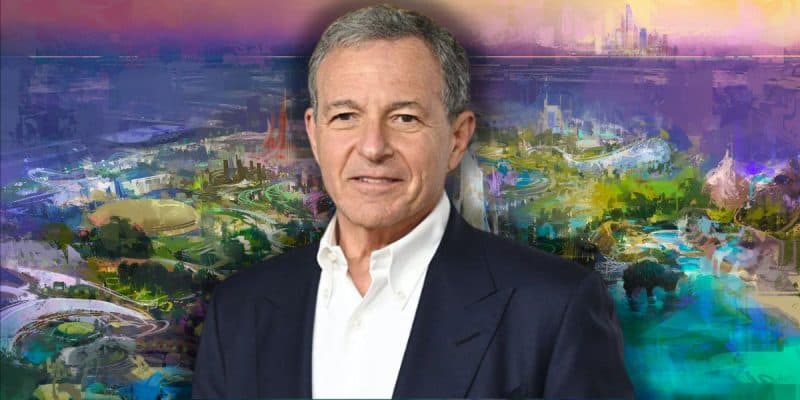
 Credit: Edited by Inside The Magic
In a move that has reignited speculation across the global theme park industry, Disney CEO Bob Iger has touched down in Beijing for a high-level summit with top Chinese officials. While the official agenda focuses on “cultural exchange” and “navigating economic cooperation,” the timing of the meeting has led experts to ask one major question: Is Disney planning to build a third theme park in Mainland China?

The meeting, reported by Reuters on January 9, 2026, comes at a delicate time for U.S.-China relations. As the “House of Mouse” navigates shifting geopolitical tensions, Iger’s personal diplomacy suggests that Disney is doubling down on its most lucrative international market.
The Meeting: Navigating the “Great Wall” of Geopolitics
Bob Iger’s visit isn’t just a routine business trip; it is a masterclass in corporate diplomacy. According to reports, Iger met with high-ranking officials to discuss the continued expansion of Disney’s footprint in the world’s second-largest economy. In an era where many Western companies are “de-risking” and pulling back from China, Iger remains a steadfast advocate for the Chinese consumer.

“Disney has a long and storied history in China,” Iger reportedly stated during the session. “We are committed to growing our business here in a way that respects local culture while bringing the best of Disney’s storytelling to the Chinese people.”
For Iger, China represents a vital pillar of Disney’s global strategy. With Shanghai Disney Resort consistently ranking as one of the most profitable and high-capacity parks in the world, the CEO is looking to ensure that Disney’s relationship with the Chinese government remains on solid ground.
Speculation: Where Could a Third Chinese Disney Park Be Built?
The centerpiece of the current rumor mill is the potential for a third Disney resort on the Chinese mainland. Currently, Disney operates two major hubs in the region: Hong Kong Disneyland and the massive Shanghai Disney Resort. However, the geographic gap between the south and the East has left a massive opening in Northern and Western China.

1. The Northern Contender: Beijing or Tianjin?
While Beijing already hosts Universal Studios, rumors have persisted that Disney is seeking a northern hub to tap into the massive population centers surrounding the capital. A park in the Tianjin area would enable Disney to dominate the northern tourism market, offering a year-round destination for millions who currently have to travel for hours to reach Shanghai.
2. The Southern Expansion: Guangzhou
Industry analysts have also pointed toward Guangzhou or the Greater Bay Area. While Hong Kong is nearby, the sheer scale of the population in the Pearl River Delta could easily support a second, more “Mainland-focused” park, similar to how Disney operates multiple parks in Orlando and California.
3. The “Western Frontier”: Chengdu
Chengdu has emerged as a cultural and economic powerhouse in Western China. By building a park here, Disney would tap into a market that is currently underserved by international theme park brands, potentially partnering with the government to create a “cultural tourism zone.”
Beyond the Parks: The Movie Market Comeback
While theme parks are the physical manifestation of Disney’s brand, Iger’s visit is also aimed at securing the future of Disney’s film slate in China. The Chinese box office has become notoriously difficult for Hollywood to crack in recent years, with strict quotas and shifting audience preferences favoring local productions.
However, Iger is riding a wave of recent momentum. Following the massive success of Avatar: Fire and Ash (2025) in China—which became one of the highest-grossing foreign films in the country’s history—Disney has proven that its “mega-franchises” still have legs.
Iger is reportedly pushing for more favorable release dates for upcoming Marvel Studios films and Pixar releases. By maintaining a close relationship with the Chinese government, Disney ensures that its films bypass the “blackout periods” that often plague other Hollywood studios, allowing for simultaneous global releases that maximize box office revenue.
Why Disney is “Uncancelable” in China
Despite political rhetoric in Washington, Disney remains one of the few American brands with high “soft power” in China. Shanghai Disneyland is often cited by Chinese officials as a “gold standard” of foreign investment, providing thousands of jobs and a massive boost to local infrastructure.

For the Chinese government, partnering with Disney on a third park would be a signal of “openness” to the international community. For Disney, it is a chance to secure a revenue stream that could last for the next fifty years.
Conclusion: The Long Game
Bob Iger has always been a “long-game” CEO. By personally meeting with top Chinese officials in early 2026, he is shielding Disney from the volatility of international politics. Whether it leads to a groundbreaking in a new city or simply a more streamlined path for the next Avengers film, one thing is clear: Disney’s future is inextricably linked to China.

As the “House of Mouse” navigates these tensions, fans and investors alike will be watching the horizon for the first signs of a new castle rising in the East.
Do you think China needs a third Disney park? Stay tuned for more updates on Disney’s international expansions and Bob Iger’s global strategy.