
 Credit: 20th Century Studios
For years, the Marvel Cinematic Universe felt carefully calibrated. Big action. Quippy humor. Just enough edge to keep things exciting, but rarely enough to make Disney uncomfortable. Lately, though, something feels different. Quietly, almost deliberately, Disney appears to be nudging Marvel into territory that isn’t meant for everyone anymore. The tone is shifting. The guardrails feel looser. And more than ever, the MCU seems willing to embrace stories designed specifically for mature audiences—even if that means surprising a fanbase that grew up expecting Marvel to always stay safely in the PG-13 lane.
Disney hasn’t stood on a stage and announced a massive tonal reset. There hasn’t been a press release spelling it all out. Instead, the clues are scattered across release strategies, creative choices, and the kinds of stories Marvel is suddenly willing to tell. Put together, they paint a picture of a franchise that’s growing up—intentionally.
The MCU’s Carefully Built Legacy
To understand why this shift matters, it is helpful to recall what the MCU was built upon. From Iron Man (2008) through Avengers: Endgame (2019), Marvel mastered the art of four-quadrant storytelling. Kids could latch onto superheroes. Adults could follow long-term arcs. Families could watch together without worrying too much about content pushing boundaries.
That approach paid off in historic ways. The MCU became the most successful film franchise of all time by sticking to a formula that felt safe, consistent, and accessible. Even when Marvel tackled darker themes—loss, trauma, sacrifice—it did so within a framework that never truly shut out younger viewers.
But after Endgame, the landscape changed. Audience expectations shifted. Superhero fatigue entered the conversation. And suddenly, playing it safe no longer felt as effective as it once did.
The R-Rated Door Cracks Open With Daredevil
One of the most evident signs of Marvel’s new direction came with the return of Daredevil. When Daredevil: Born Again arrived on Disney+, it didn’t pretend to be something it wasn’t. The series landed with a TV-MA rating, signaling immediately that this wasn’t a softened version of the character.
For longtime fans, it felt like a statement. Daredevil’s brutal fights, moral ambiguity, and street-level violence had always defined him. Disney didn’t sand that down. Instead, it embraced it. That choice alone suggested Marvel was done forcing every corner of its universe into a family-friendly box.
The success of Daredevil’s return showed Disney something important: there was real demand for MCU stories that didn’t need to appeal to everyone.

Marvel Zombies, Echo, and the MA Experiment
Daredevil wasn’t a one-off. Marvel Zombies pushed even further, leaning fully into horror with an MA rating that would have been unthinkable during the MCU’s early years. It wasn’t just darker in tone—it was explicitly designed for adults.
Echo followed a similar path. Grittier storytelling. Fewer jokes. More emotional weight. These weren’t projects trying to walk a line. They chose a side.
What made these releases more telling wasn’t just their content, but where they lived. Disney+—a platform once synonymous with family viewing—became home to some of Marvel’s most adult material yet. That alone spoke volumes about Disney’s growing comfort level.

Deadpool Changes the Rules Entirely
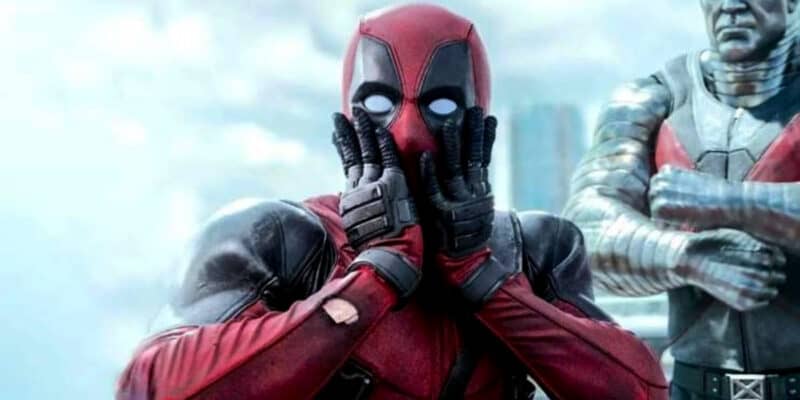
Disney+ isn’t the only place this shift shows up. Deadpool’s growing presence inside Marvel’s future plans might be the most significant signal of all.
Deadpool has always thrived on being unapologetically R-rated. The character’s humor, violence, and self-awareness don’t work without it. By fully folding Deadpool into the larger Marvel universe—and bridging the gap between the Fox-era X-Men films and the MCU—Disney crossed a line it once avoided entirely.
With former X-Men actors confirmed to return in Avengers: Doomsday, fans are already asking the obvious question: Does Deadpool come with them? And if he does, what happens to the rating?
The idea that a future Avengers-level team-up could carry an R rating would have sounded absurd a decade ago. Now, it feels… possible. And that possibility only fuels speculation that old expectations won’t constrain Marvel’s future.

A New Creative Voice Enters the Conversation
Another intriguing development adds even more weight to the “mature” conversation. According to industry rumors, Jordan Peele—best known for Get Out (2017) and Nope (2022)—has emerged as a potential directing candidate for a future Marvel Studios project.
Marvel is currently recalibrating. As the Multiverse Saga winds down and Phase 7 takes shape, the studio is reportedly seeking filmmakers with distinct voices and bold ideas. While the rumor, attributed to insider Daniel Richtman, doesn’t specify which project Peele might helm, the implications are hard to ignore.
Peele’s work thrives on tension, social commentary, and psychological unease. Bringing that sensibility into the MCU would almost guarantee a more adult tone—regardless of the rating.

Blade, Ghost Rider, and the Dark Side of Marvel
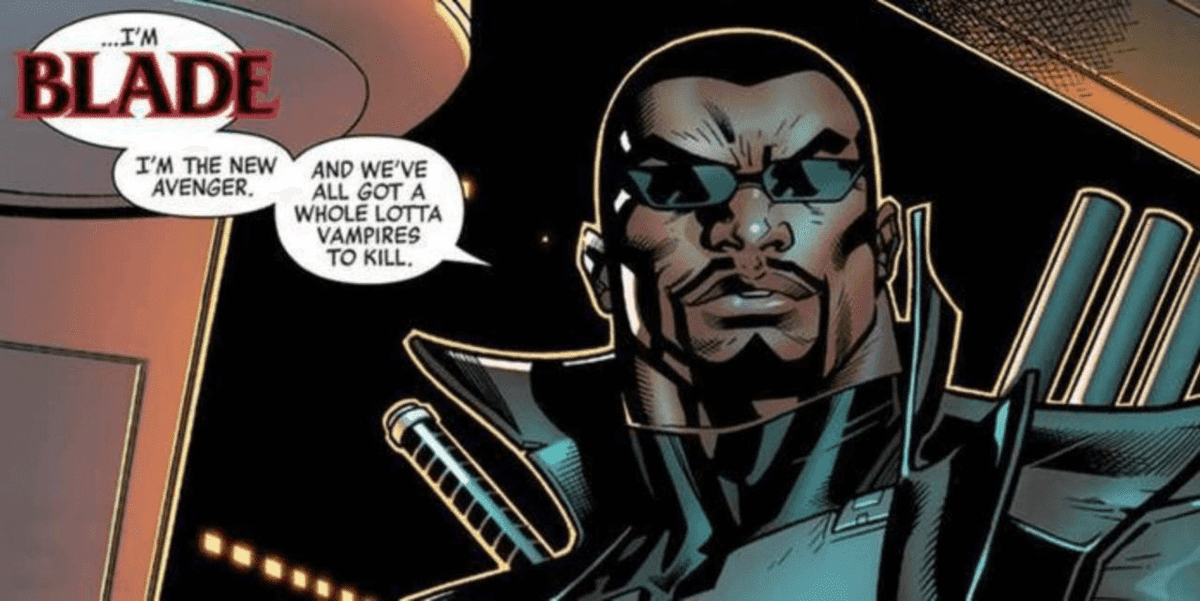
Naturally, speculation has zeroed in on Blade. The character’s long-delayed solo film has faced script issues, creative shifts, and repeated delays since its announcement in 2019. Many fans believe a filmmaker known for Black-led horror would be an ideal fit for Blade’s first MCU outing, even if the project’s timeline remains uncertain.
Ghost Rider rumors have also resurfaced. Reports suggest Marvel may be exploring ways to introduce the supernatural antihero, possibly through a Midnight Sons project or a standalone story. With characters like Johnny Blaze or Robbie Reyes, the appeal lies squarely in darker, scarier storytelling—territory Peele knows well.
Then there’s Midnight Sons itself. Although not officially confirmed, rumors suggest the project is back on track after multiple script revisions. With characters like Blade and Moon Knight potentially involved, the tone would almost demand a mature approach.
What This All Adds Up To
Taken individually, each of these developments might feel like an experiment. Together, they tell a different story. Disney isn’t stumbling into mature Marvel content by accident. It’s testing, observing, and expanding.
R-rated projects are no longer treated as risks. They’re tools. And with rumors, confirmations, and creative shifts all pointing in the same direction, the MCU appears ready to embrace a future where not every story is meant for everyone.
For Marvel fans who’ve been craving something bolder, darker, and less restrained, that future can’t come soon enough.