

 Credit: Andrew Boardwine, Inside the Magic
Epic Universe is everything Universal promised it would be—and then some. Guests walk away stunned by the scale, the ambition, and the way the park feels purpose-built for modern theme park fans. It’s immersive. It’s polished. And it finally gives Universal a third gate that doesn’t feel like an add-on or a half step.
However, as the initial excitement subsides, a more complex conversation is beginning to emerge. Epic Universe didn’t just change Universal’s lineup. It changed how people travel to the resort, how they move through it, and how much pressure the entire destination now feels. The park’s success is real—but so are the side effects that came with it.

A Park That Actually Delivers on the Hype
Epic Universe didn’t arrive quietly. From the very beginning, it felt like a statement. Universal didn’t just open another park; it opened a fully formed experience with multiple lands that feel distinct, detailed, and intentionally designed.
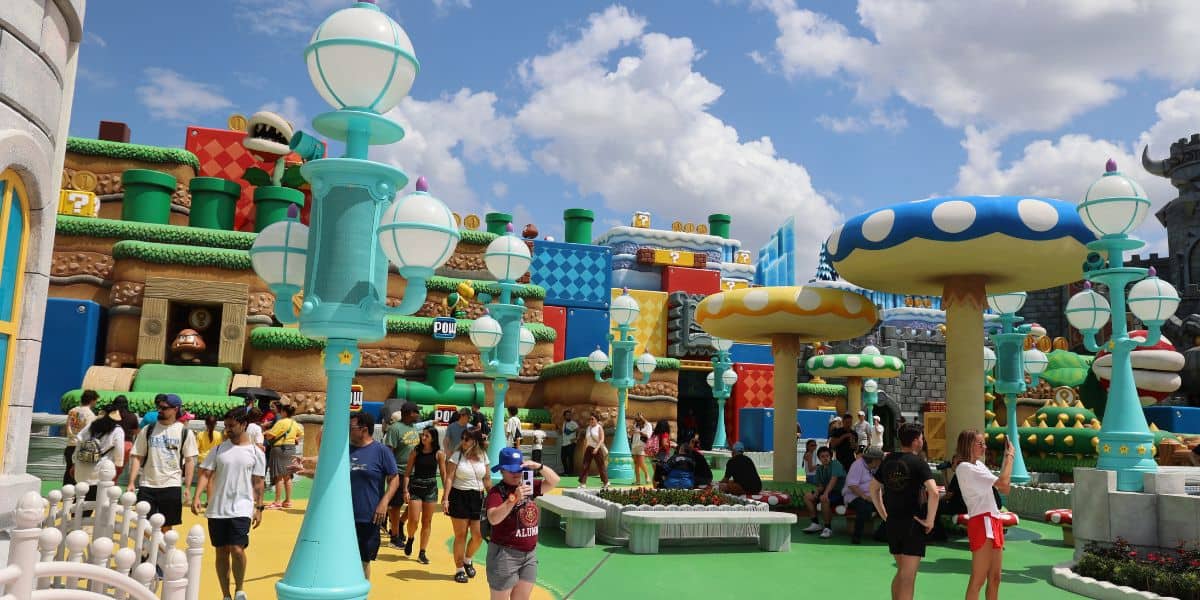
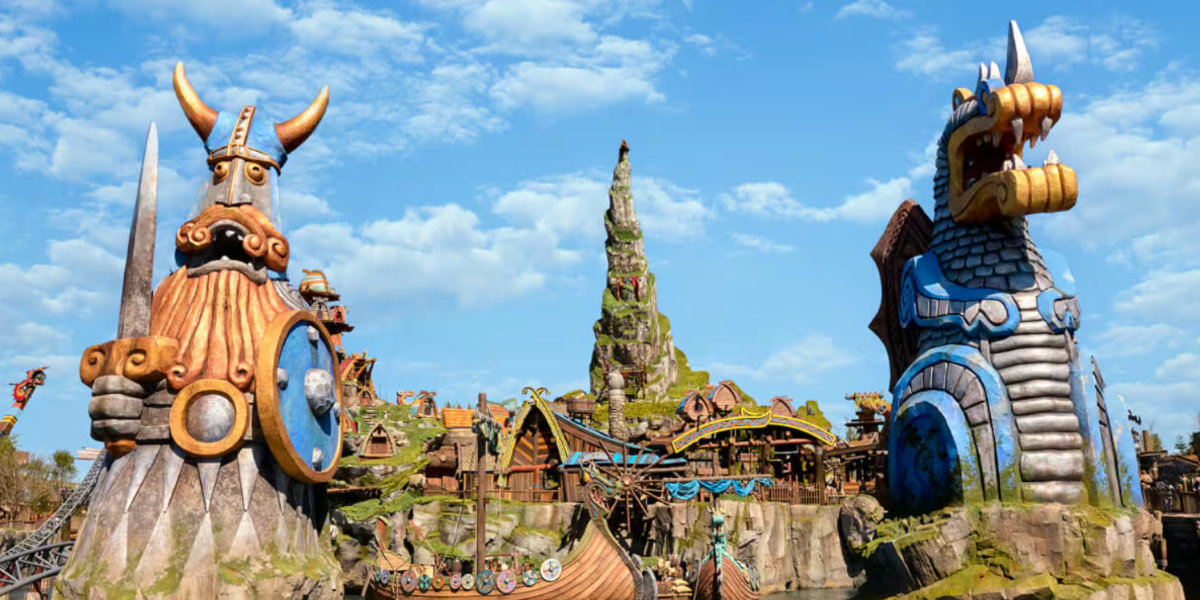
Each land feels like its own destination rather than a themed corner meant to pad out a map. Guests aren’t rushing through Epic Universe to “get to the good stuff.” The entire park is a treasure trove of good stuff. That alone sets it apart from how most theme parks operate today.
This level of execution explains why fans have responded so strongly. Epic Universe feels confident. It doesn’t rely solely on nostalgia, and it doesn’t feel rushed. Universal finally delivered a park that competes not just with Disney, but with the idea of what a next-generation theme park should be.

Why Epic Universe Feels Different From the Start
One of the biggest reasons Epic Universe stands out is how its lands function as full experiences, not just ride clusters. Each area has its own rhythm, visual identity, and pacing. Guests spend time there. They linger. They explore.
That design choice has significantly altered guest behavior. Instead of hopping from attraction to attraction, people slow down. They plan full days around Epic Universe alone. Some visitors don’t even make it to Universal Studios Florida or Islands of Adventure during their trip.
That’s great for Epic Universe. But it creates an imbalance that Universal hasn’t had to manage before.

A Global Destination Overnight
Epic Universe didn’t just attract locals or repeat Universal fans. It instantly became a global draw. Travelers from overseas are building entire vacations around seeing this park specifically. For many international visitors, Epic Universe isn’t part of a Universal trip—it is the Universal trip.
That kind of attention brings prestige, but it also shifts the crowd mix. International guests often stay longer, travel in larger groups, and approach the parks differently than local or regional visitors. They want to see everything. They don’t want to skip experiences. And they’re less flexible when things don’t go as planned.
On paper, that sounds like a win. In practice, it adds strain.
When Popularity Turns Into Pressure
More popularity always sounds good until you see how it plays out on a day-to-day basis. Epic Universe pulls enormous crowds, and those crowds don’t disappear after the opening month. They keep coming. Weekdays feel busy. Weekends feel intense. Peak seasons now feel heavier than anyone expected this early.
Guests are starting to ask an uncomfortable question: Was Universal built to handle this level of demand?
Epic Universe may be massive, but capacity isn’t just about space. It’s about transportation, dining, hotel inventory, ride uptime, and guest flow. When one park becomes the primary focus, pressure builds everywhere else—sometimes in ways guests don’t notice until something breaks.
The Ripple Effect Across Universal Orlando Resort
Epic Universe’s success doesn’t stay contained within its gates. It reshapes the entire resort.
Hotel availability tightens. Transportation routes feel more crowded. Dining reservations vanish faster. Even the older parks think differently, not because they’re busier, but because staffing and attention naturally shift toward the new flagship.
Guests staying on the property feel this shift first. When Epic Universe commands the spotlight, the rest of the resort has to adjust around it. That adjustment doesn’t always feel seamless, especially during periods of high demand.
And when something goes wrong—ride delays, weather disruptions, operational hiccups—the effects ripple outward quickly.
Crowd Management Is Now Universal’s Biggest Test
Universal has consistently managed crowds effectively, particularly in comparison to its competitors. But Epic Universe introduced a new scale of challenge. This isn’t about one busy attraction or a seasonal surge. This is sustained, high-volume demand centered on a single park.
Guests feel it in longer waits, packed walkways, and harder-to-secure reservations. They feel it when Express Passes sell out faster or when full days feel harder to navigate without a plan.
None of this means Epic Universe failed. It means it succeeded faster—and more aggressively—than Universal may have anticipated.
What Comes Next for Universal
The real question isn’t whether Epic Universe was worth it. It absolutely was. The question is how Universal adapts now that the bar has moved.
Managing this level of popularity requires more than operational tweaks. It requires long-term planning, smarter crowd distribution, and continued investment in older parks to maintain a balanced demand.
Universal now owns one of the most talked-about theme parks in the world. That’s a powerful position—but it comes with responsibility.
A Success That Demands Evolution
Epic Universe changed Universal forever. It elevated the brand, expanded its global reach, and demonstrated the company’s ability to deliver something bold and modern. But success doesn’t pause once the gates open.
If Universal wants Epic Universe to remain a triumph rather than a strain, the next phase matters just as much as the opening. Because building a great park is one thing. Supporting it—without letting the rest of the resort bend under the weight—is the real challenge.
And that challenge is only just beginning.