
 Credit: Disney
Disney World has never been shy about making bold decisions. Over the decades, the resort has reimagined lands, replaced beloved attractions, and introduced ideas that fans initially questioned—sometimes loudly. Change is part of the Disney formula. Still, every once in a while, a decision lands differently. It doesn’t fade into the background. It doesn’t become the norm quietly. Instead, it keeps resurfacing in conversations, comment sections, and ride reports years later.
One particular transportation decision fits that description perfectly. Long after its debut, fans continue to debate whether it was a smart move or a massive misstep. Some guests actively seek it out. Others avoid it at all costs. And that ongoing split has turned this option into one of the most debated choices Disney World has made in recent memory.
To understand why the conversation refuses to die down, it is helpful to examine how transportation fits into the Disney experience as a whole.

Free Transportation Is One of Disney’s Biggest Perks
For many guests, staying on Disney property comes with a significant benefit that often gets overlooked until you leave the bubble: free transportation. Disney doesn’t just offer a way to get around—it builds an entire system designed to keep guests from ever needing a car.
Buses form the backbone of that system. They run from resorts to parks, parks to parks, and parks back to resorts, often starting early and running late. Boats add another layer, offering a slower, scenic way to travel between certain resorts and parks. They may not be the fastest option, but they feel relaxing and unmistakably Disney.
Then there’s the more modern approach, which Disney has leaned into over the last several years. This option promised efficiency, visual appeal, and a new way to move guests without adding more buses to already busy roads. That promise excited some fans immediately—and made others uneasy from the start.
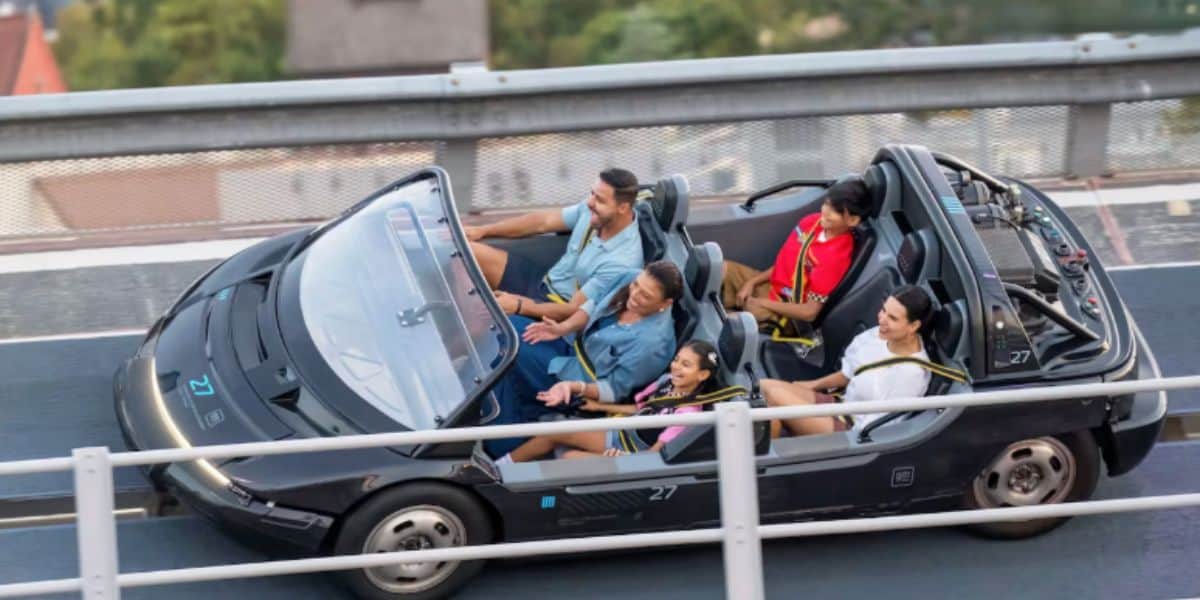
A New Way to Move Around Disney World
When this newer transportation option first began operating several years ago, it felt like a significant shift in philosophy. Disney wasn’t just expanding capacity. It was changing how guests moved through the resort.
Instead of ground-level travel, this system lifted guests into the air. It connected multiple resorts to EPCOT and Disney’s Hollywood Studios, offering a completely different experience than stepping onto a bus or boat. For some, it felt futuristic. For others, it didn’t feel very safe.
Disney framed it as an efficient solution to crowd flow and resort connectivity. On paper, it made sense. In practice, reactions varied wildly. And those reactions have only become more entrenched as time has passed.
Why Some Guests Can’t Stand It
The list of complaints usually starts the same way: the motion. Some guests describe the ride as rocky, especially when the cabins slow down or shift direction. Even when everything runs smoothly, the sensation can catch people off guard.
Fear of heights plays a significantly larger role. Being suspended high above roads, parking lots, and water isn’t something every guest feels comfortable with. For people who already dislike enclosed spaces, the experience can feel overwhelming fast.
Then there’s the lack of easy exits. If something goes wrong, guests can’t simply step off the ride. While Disney has safety procedures in place, the idea of being stuck midair—even briefly—makes some guests uneasy. On busy days, backups and slowdowns only add to that anxiety.
For these guests, the system doesn’t feel magical. It feels stressful. And once that impression sets in, it’s hard to shake.

Why Others Absolutely Love It
On the other hand, many guests swear by it. For families with strollers or guests using wheelchairs, this transportation option can be a dream come true. You roll on. You roll off. No folding. No rushing. No awkward lifting.
Many guests also appreciate the privacy. Unlike a packed bus, cabins often allow families to ride together without sharing space with strangers. That alone makes a massive difference for some travelers.
The views help too. Floating above the resort offers peaceful, scenic moments that buses simply can’t match. For guests who enjoy slowing down and soaking in the atmosphere, the ride becomes an integral part of the vacation—not just a means of transportation.
There’s also a practical benefit that is often overlooked. By pulling guests away from buses, this system helps spread out transportation demand more evenly. That ripple effect can make the entire network feel smoother, even for people who never step into a cabin themselves.

Disney’s Transportation Choice That Changed Expectations
Beyond love or hate reactions, this transportation option changed how guests think about getting around Disney World. It showed that transportation doesn’t have to be invisible. It can be an experience of its own.
At the same time, it also exposed how personal transportation preferences really are. Comfort, control, and familiarity matter more to some guests than novelty. Others crave efficiency and quiet over predictability.
Disney took a risk by introducing something so different. That risk paid off for part of the audience—and frustrated another part just as profoundly.

Why the Debate Isn’t Going Anywhere
Years later, the arguments continue because both sides have valid points. The system solves real problems while creating new ones. It improves access for some guests while triggering discomfort for others.
That tension keeps the conversation alive. Every new visitor experiences it differently. Every trip reinforces opinions instead of softening them. And because transportation touches every single park day, the stakes feel personal.
The Bottom Line
Disney World thrives on innovation, and not every innovation lands the same way for everyone. This transportation decision stands as proof that even smart, well-intentioned ideas can divide fans long after launch.
Whether guests love it for its convenience and calm or avoid it due to fear and frustration, one thing is clear: this choice changed the way people move through Disney World. And as long as guests keep riding—or refusing to ride—the debate isn’t ending anytime soon.