
 Credit: Inside The Magic
Disney vacations through 2029 could be canceled and derailed thanks to some proposed new travel rules from the Trump administration.
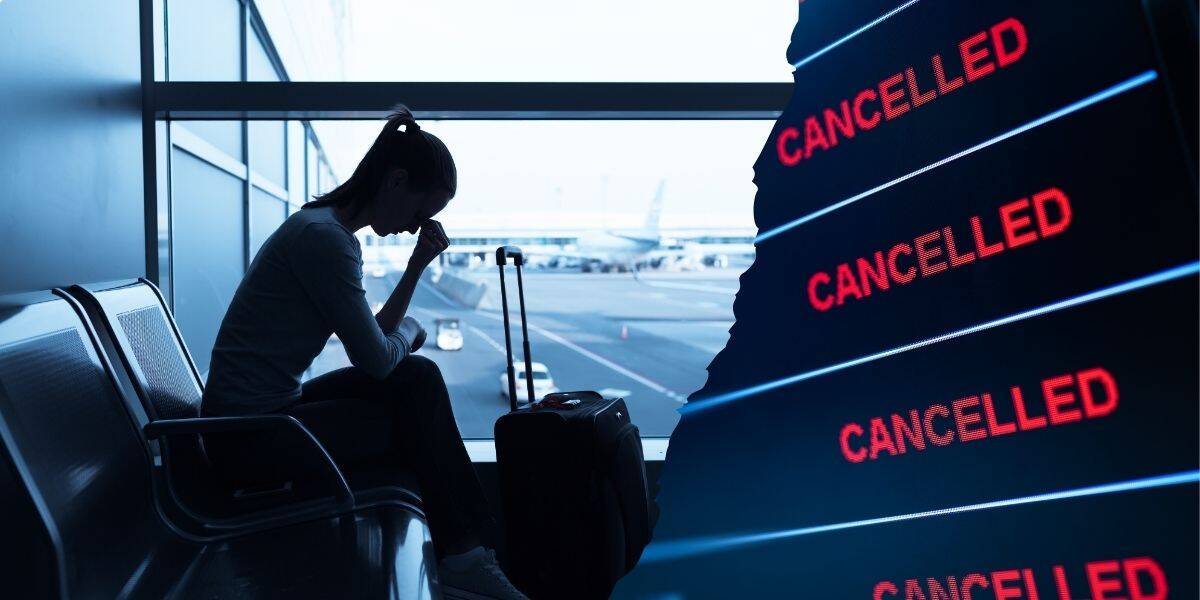
Thousands of Dream Vacations Could Be at Risk — and Disney Fans May Be the First to Feel It
It starts with excitement: a family from London wakes early to book their long-awaited Disney World vacation. Their itinerary includes Cinderella Castle, Rise of the Resistance, and nights spent watching fireworks over Sleeping Beauty Castle. But by the end of their booking session, they realize something terrifying — their trip may no longer be possible. So what happened to a process that used to take minutes?
The answer lies in new U.S. travel measures that could change how millions of visitors are approved to enter the country. These changes, if implemented, could ripple across the global tourism industry — and could even mean thousands of canceled Disney World and Disneyland vacations through 2029.
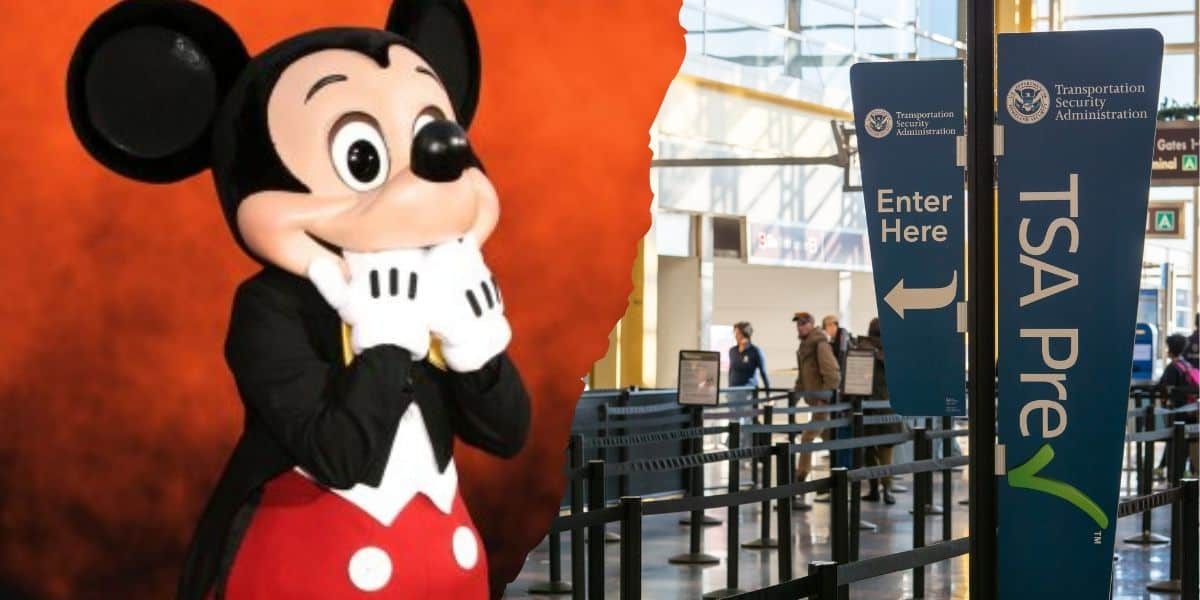
A Shift Hidden in Bureaucratic Language
This week, the U.S. Department of Homeland Security filed a formal notice announcing that visitors from 42 nations, including allies like the United Kingdom, Japan, France, and Australia, may soon need to submit five years of social media history, ten years of email addresses, and detailed personal data about relatives before traveling to the United States.
These countries currently belong to the Visa Waiver Program (VWP) — an agreement allowing travelers to visit the U.S. for up to 90 days without securing a visa. Typically, visitors fill out an Electronic System for Travel Authorization (ESTA) form online, a process that’s quick and highly automated.
But according to the new proposal, the ESTA system would transition to a mobile-only version, collecting additional details that some privacy experts warn could increase processing times and prompt mass hesitation among travelers.
The change, first reported in a federal notice from U.S. Customs and Border Protection, aligns with President Donald Trump’s ongoing directive to expand national security screenings across U.S. immigration systems. The proposal still requires White House budget office review — but that step could greenlight the rollout as early as mid-2026.

The Cost Beyond the Forms
Though the administration cites security and “anti-terror” safeguards as motive, critics worry about the unintended fallout. Analysts warn that mandatory deep data reviews — including decades’ worth of digital and familial records — could create a chilling effect on international travel at a precarious moment.
“Even a small slowdown in ESTA approvals could snowball into major tourism loss,” immigration expert Aaron Reichlin-Melnick wrote on social media, referring to the proposal’s potential economic ripple at a time when the U.S. is preparing for a flood of global visitors for the 2026 FIFA World Cup.
For Disney and Universal, which rely heavily on international tourism to sustain attendance levels, especially during summer peak seasons, the stakes couldn’t be higher. According to a 2024 Tourism Economics study, international travelers make up nearly 25% of all Walt Disney World Resort visitors. A processing delay of even a few weeks could cause thousands of guests to reschedule — or abandon — their trips entirely.

Why Disney Is Watching Closely
Theme park executives aren’t commenting publicly, but industry analysts have noted subtle concern in recent investor calls. The potential data-heavy ESTA process may not only thin tourist arrivals from Europe and Asia but also compound existing challenges like airfare inflation and global security concerns.
“Disney’s international attendance recovery is fragile,” one travel economist said. “Adding another layer of red tape right as travel rebounds could push those numbers back dramatically — perhaps for years.”
If that happens, ripple effects could spread across Central Florida’s and Southern California’s service economies, from hotels and restaurants to ride-share drivers and retail stores relying on resort traffic.

What It Means for the Next Few Years
With reviews now pending in Washington, the proposal has not yet been enacted — but its language suggests implementation could last through 2029, including periodic renewals. That means international families hoping to bring children to Disney for the first time might encounter a longer, more invasive approval queue than ever before.
In essence, a slight rule change tucked inside the Federal Register could quietly redraw the map of global vacation planning. And for many lifelong Disney fans abroad, it might make the “most magical place on Earth” feel just a little farther away.