 2
2
 Credit: Lucasfilm
Disney just made a decision that has Star Wars fans absolutely furious.
After months of speculation, theories, and cautious optimism about what 2026 would look like for a galaxy far, far away, something unexpected happened. One highly anticipated Star Wars project has quietly vanished from Disney’s 2026 lineup. No big announcement. No dramatic press release. Just… gone.
For a franchise built on anticipation and long-term planning, that silence is doing a lot of damage. Fans had circled 2026 as a key year for Star Wars, especially after years of uneven theatrical output and a heavy reliance on streaming. Now, with one major project removed from the schedule, the question isn’t just what was dropped—but why Disney made the call in the first place.
And that concern cuts straight to the heart of what Star Wars means today.

From 1970s Space Opera to Global Empire
It’s hard to overstate just how massive Star Wars has become. What started in the late 1970s as a risky space fantasy turned into one of the most powerful entertainment brands in history. The original trilogy created a cultural foundation that remains intact decades later, passed down from generation to generation, from parents to children, and then to grandchildren.
When Disney acquired Lucasfilm, the franchise didn’t shrink—it expanded in every direction. Big-budget sequel films. Spin-offs. Animated series. Live-action shows—entire theme park lands. Star Wars stopped being just a movie franchise and evolved into a whole ecosystem.
That evolution is why fans pay such close attention to release calendars. Each new project isn’t just another title—it’s part of a much larger story map. When something disappears from that map, it sends shockwaves through the fandom.

Disney+ Changed the Game for Star Wars
Disney’s biggest shift with Star Wars didn’t happen in theaters. It happened on Disney+.
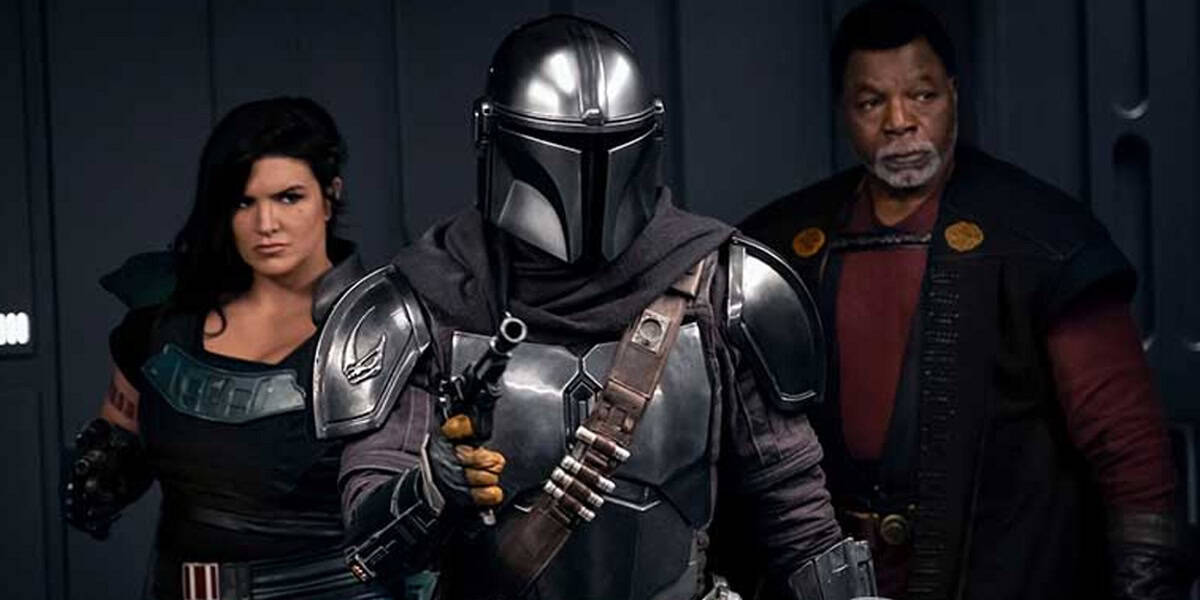
Streaming gave Lucasfilm the freedom to tell longer, more character-driven stories. Shows like The Mandalorian have proven that Star Wars can thrive outside the traditional movie format. That success eventually led to something unprecedented: a Disney+ series jumping to the big screen.
The Mandalorian and Grogu aren’t just another spinoff—it’s a theatrical release born directly from streaming success. That move signaled Disney’s confidence in the crossover between Disney+ storytelling and box office appeal.
But that wasn’t the only Star Wars project fans expected to anchor 2026.
The Ahsoka Question Looms Large
One absence from Disney’s updated 2026 slate is drawing particular attention.
Fans quickly noticed that Ahsoka Season 2 wasn’t mentioned at all. That raised immediate concerns, especially given the series’s central role in modern Star Wars storytelling. Disney’s revised lineup only referenced three Star Wars projects: The Mandalorian and Grogu, Maul: Shadow Lord, and Star Wars Visions Presents: The Ninth Jedi.
That omission feels intentional—or at the very least, revealing.
For months, many assumed Ahsoka Season 2 would land in 2026. Instead, Disney’s silence has left fans wondering whether the long-awaited continuation will arrive at all next year.

Why 2026 Made Sense for Ahsoka
The timeline seemed to line up perfectly.
Production on the second season reportedly took place from April to October 2025. Based on how Season 1 was handled, that schedule pointed to a late summer or early fall 2026 release window. Nothing about the production timeline suggested significant delays or complications.
That’s what makes this update unsettling. If Disney isn’t comfortable even placing Ahsoka within its 2026 branding, it raises the possibility that plans have shifted behind the scenes. While Disney has never officially locked the series into a 2026 date, expectations were built on precedent—and precedent matters with a franchise this carefully managed.
Where Ahsoka’s Story Is Headed
Narratively, Ahsoka Season 2 has a lot riding on it.
The series is set to continue the planet-hopping storyline that began in 2023, with Ahsoka Tano and Sabine Wren stranded in another galaxy. The looming threat of Baylan Skoll—now played by Rory McCann—adds weight to what’s coming next.
There’s also the return of Anakin Skywalker, portrayed by Hayden Christensen, which sent shockwaves through the fandom in Season 1. His role gave the show emotional gravity and tied it directly back to the franchise’s core mythology.
Delaying that continuation doesn’t just frustrate fans—it interrupts momentum.

Why Fans Are Nervous Right Now
This update is almost guaranteed to raise eyebrows.
Once filming wrapped last fall, many believed Ahsoka would be the next major live-action series to arrive. That belief only grew stronger when it became clear there are no other live-action Star Wars shows scheduled for the following year.
That gap matters. Disney+ built its Star Wars strategy around consistency. Long pauses risk losing casual viewers while frustrating dedicated ones who’ve stayed invested through every release.

Could Ahsoka Be Pushed to 2027?
Technically, yes—but it doesn’t make much sense.
Unless something significant went wrong behind the scenes, there’s little reason to delay the series that far. No reports suggest extensive reshoots or creative overhauls. More likely, Disney is simply choosing to promote only projects with publicly locked release dates.
Every title currently listed for 2026 appears fully confirmed. Ahsoka never officially received that designation, which leaves room for a later announcement. Disney may update its slate once the dates are solidified.
What is clear is that Ahsoka must come after The Mandalorian and Grogu. That film reportedly sets up key story elements for the streaming series, making the order non-negotiable.
A Risky Silence From Disney
Disney’s biggest misstep here may not be cutting a Star Wars release—it’s leaving fans in the dark.
Star Wars thrives on trust. Fans are willing to wait, but they want to know where the story is going. Removing a project from the 2026 lineup without explanation invites frustration, speculation, and fear that the franchise is once again shifting course midstream.
When Disney finally fills in the blanks, the reaction may depend less on timing and more on transparency. Until then, 2026 suddenly feels a lot emptier for a franchise that rarely leaves space unfilled.