
 Credit: Disney
 Disney has made numerous controversial decisions over the years, and fans are accustomed to debating them. But this time feels different. The latest 2025 move isn’t just another tweak to how the parks operate. It has sparked a fundamental shift in how guests behave and how they spend their time.
For the first time in a long time, some Disney loyalists aren’t just grumbling online. They are actually changing their habits and even looking elsewhere.
The once-untouchable “Disney Bubble” — that stress-free, perfectly curated escape Disney promised — suddenly feels a little fragile. And guests are reacting in ways no one would have predicted a few years ago.

Why the Disney Bubble Meant Everything
Disney World became the gold standard for family vacations because it felt completely separate from real life. The moment you stepped onto Main Street, everything softened. Crowds felt cheerful instead of overwhelming. Music followed you like your own soundtrack. Even waiting in line felt like part of a journey, rather than a chore.
There was comfort in knowing Disney handled everything for you. Transportation, resort atmosphere, meals, entertainment — the bubble meant you didn’t have to think. Disney’s world pulled you in and wrapped you up in it.
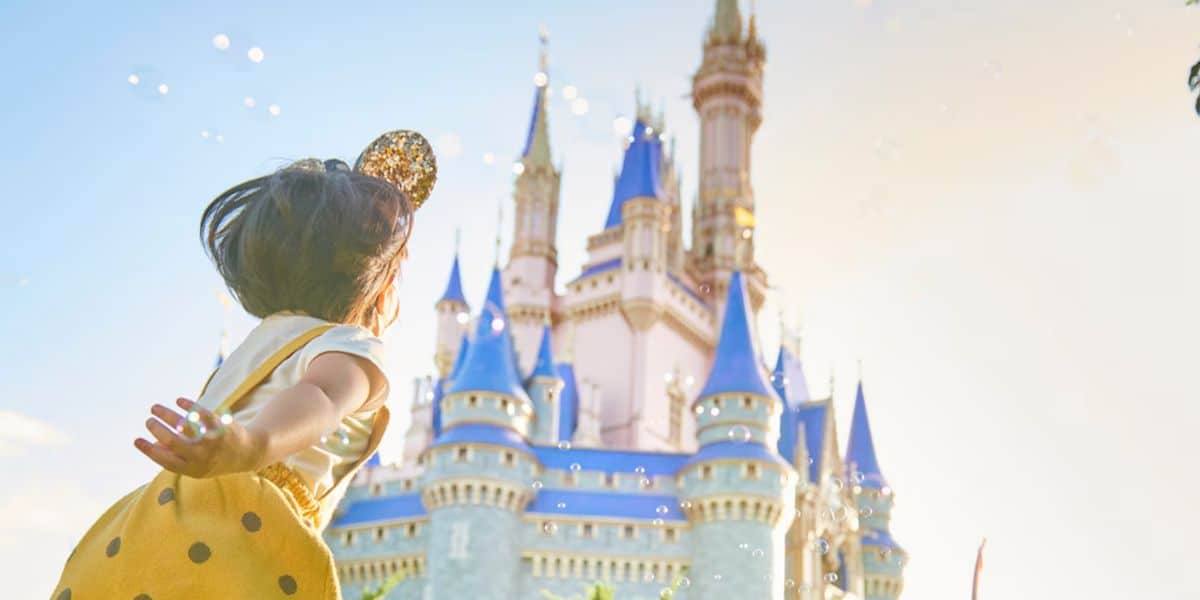
For parents, it meant watching kids light up in a way that only happens there. For longtime fans, it was nostalgia, tradition, and emotional investment all rolled into one. People didn’t just visit. They returned year after year. Some built entire life routines around the parks.
The bubble wasn’t only about being at Disney; it was about feeling like the world outside completely disappeared. Now, with more guests noticing cracks, that emotional shield feels thinner than ever.
Off-Site Hotels Are Thriving
A significant sign of the bubble weakening is the boom in offsite bookings. For decades, Disney hotels were considered the only proper choice for those seeking the whole experience. Staying off the property was a compromise—something you only did if Disney resorts were booked or out of budget.
That mindset has shifted.
Guests are discovering that offsite options offer many of the same benefits that Disney used to treat as exclusive perks. Certain partner hotels offer park transportation. Many provide spacious rooms, kitchens, or suites for less than the nightly rate of a moderate Disney resort. Parking fees, resort fees, and dining markups at Disney properties push families to compare value — and often, offsite comes out ahead.
There’s also a comfort factor. Some guests want quieter pools, less hustle, and a break from constant activity. A hotel ten minutes away can feel surprisingly calmer than staying inside the excitement 24/7. And when people realize leaving the bubble at night isn’t ruining the magic, they start questioning what they’re really paying for.
That’s a shift in psychology — and it’s enormous.

Locals Are Re-Evaluating
Disney locals have always been a steady backbone for park attendance. They know every shortcut, every festival menu, every hidden gem. Their loyalty runs deep.
But lately, even locals are reconsidering how they visit. Some are moving to lower-tier passes. Others are spacing out trips instead of popping in weekly. A handful are taking breaks completely.
Why?
Because the spontaneity that once defined local visits has changed. Advance planning, increasing costs, and shifting policies make casual visits feel more structured than they used to. And when local fans start looking at Universal Annual Passes or SeaWorld passes instead — or even a mix of memberships — it shows guests want flexibility, not rules.
The bubble used to reward loyalty effortlessly. Now, even locals feel the need to analyze their value.
Transportation Habits Are Changing
Transportation may seem small, but it reflects a big mindset shift. For years, part of the bubble experience was letting Disney handle the travel. Buses, boats, monorails — they set the tone from the start of your day to the end.
Recently, more guests are renting cars or relying on Uber, Lyft, and hotel shuttles. The rise in rideshares tells a clear story: guests want speed, control, and convenience. They want to move on their own terms.
When travelers choose independence over automated Disney systems, it proves the bubble isn’t carrying the same weight it once did. People are willing to operate outside of it if it means less stress and more flexibility.
That is a fundamental cultural shift in how guests approach their vacation rhythm.

Ride Maintenance
Disney has always taken pride in its quality. Animatronics, lighting effects, sound design, and storytelling — everything worked together to create an immersive experience. The pressure to maintain perfection was part of the Disney brand.
Lately, fans online and in the park have noticed more frequent downtime of attractions, effects being turned off, or rides returning from refurbishments without noticeable improvements. While much of this is normal for aging attractions, perception matters.
And right now, guests are watching closely. When ticket prices, hotel rates, and food costs increase, so do expectations. So when a ride breaks temporarily or doesn’t look as polished, it stands out far more than it would have years ago. More downtime chatter equals more bubble erosion.

Guests Are Rewriting the Rules
Guests are rethinking their approach, rather than following the classic Disney playbook.
Some are booking offsite resorts for more space and lower prices.
Others are opting for rental cars or rideshares to maintain control over their schedule.
More visitors are mixing in Universal days or enjoying downtime away from the parks.
And instead of feeling obligated to do everything the “Disney way,” they’re tailoring trips to what feels easiest, most innovative, and most enjoyable for them.
The bubble used to be the only way to do Disney right. Now, the “right way” looks different for everyone, and that personal freedom is changing the culture of the vacation.
The Bubble Isn’t Gone
Disney still delivers joy. The castle still stuns. Families still create memories that last a lifetime. None of that has disappeared.
What has changed is blind devotion. Fans aren’t walking away; they’re walking in with eyes open, budgets in mind, and choices in hand.
The bubble didn’t pop — but it is no longer sealed tight. Guests are stepping in and out on their terms. And that might be the most significant shift Disney has seen in years.